THE ADVENTURE COLLECTIVE® · Independent discovery and booking for outdoor travel

Glide through winding mangrove channels, then step onto the ‘Path of Howlers’ for close encounters with black howler monkeys and estuary birds. This private half-day tour from Guayaquil pairs a 40-minute canoe trip with an easy rainforest hike and seasonal waterfall option.
Glide through winding mangrove channels, then step onto the ‘Path of Howlers’ for close encounters with black howler monkeys and estuary birds. This private half-day tour from Guayaquil pairs a 40-minute canoe trip with an easy rainforest hike and seasonal waterfall option.
You leave Guayaquil before dawn and the city blurs into the low, green horizon; a narrow boat slips into a labyrinth of roots and water, pushing you into the cool, shaded world of the mangroves. The canoe ride—about 40 minutes of slow, deliberate paddling—opens onto channels where herons stand like sentries and the estuary widens into one of the Pacific Coast’s largest freshwater-influenced wetlands.
Verified experiences and guided adventures in the surrounding area.
Operated by BM TOURS SA · Guayaquil, Guayas
You leave Guayaquil before dawn and the city blurs into the low, green horizon; a narrow boat slips into a labyrinth of roots and water, pushing you into the cool, shaded world of the mangroves. The canoe ride—about 40 minutes of slow, deliberate paddling—opens onto channels where herons stand like sentries and the estuary widens into one of the Pacific Coast’s largest freshwater-influenced wetlands.
Churute’s landscape is shaped by river sediment and tidal pull: thick black roots, mucky flats and raised islets where tropical dry-forest species perch. Historically the reserve was set aside to protect these productive mangroves and the bird populations that feed on the estuary’s bounty. Culturally, nearby coastal communities have long used the mangroves for artisanal fishing and seasonal harvests; local guides often narrate those practices during the trip.
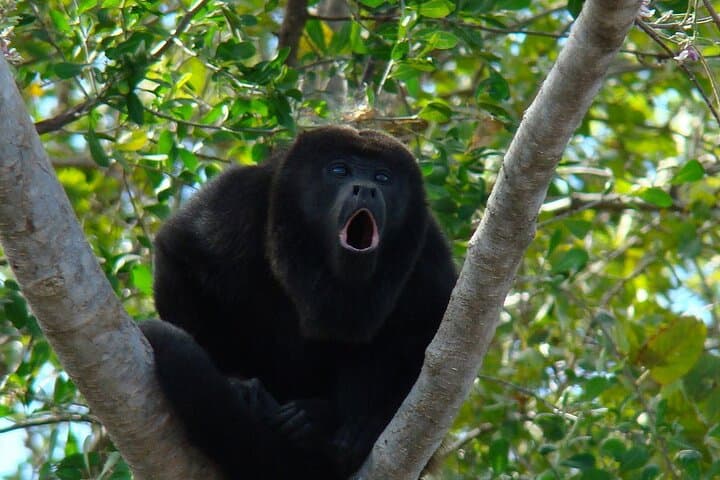
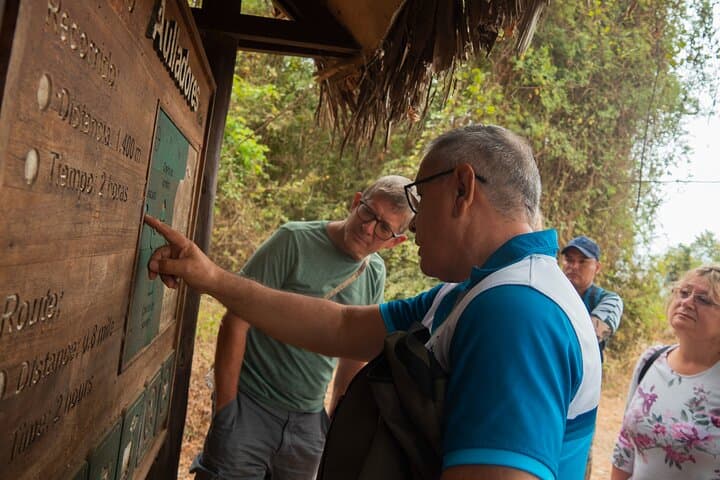
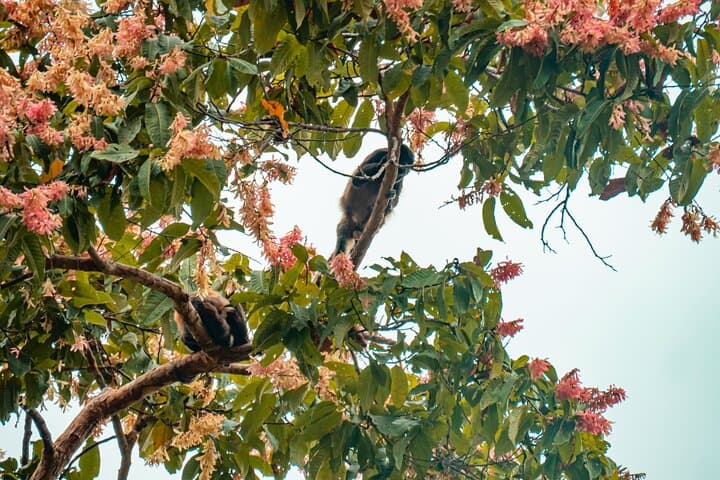
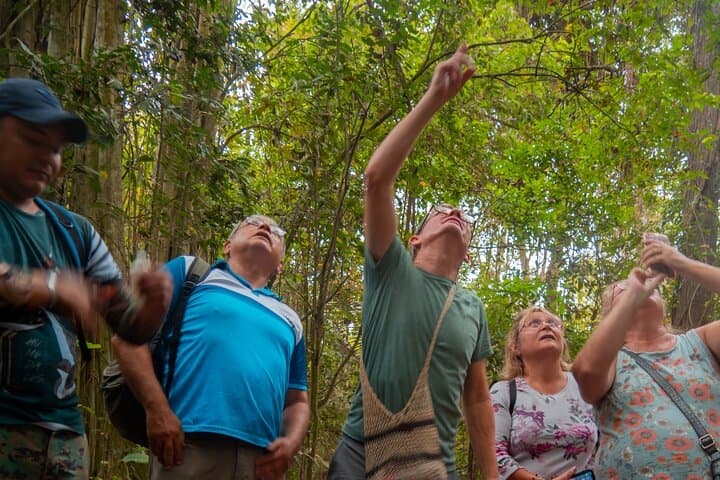
The guided route mixes quiet canoeing with a short, accessible hike along the “Path of Howlers,” where black howler monkeys frequently call from the canopy. In the rainy months a seasonal waterfall appears on a southeast slope reachable by a roughly two-hour walk from the trailhead; the rest of the year the hike is a shaded forest stroll with plentiful birdwatching.
Practical notes: wear closed, water-resistant shoes and bring insect repellent and sun protection. Expect uneven, sometimes muddy terrain and close-range wildlife viewing that rewards patience and quiet. Morning departures are best for calmer water, cooler air and more active birds and monkeys. The private tour includes transfers and a bilingual guide, making logistics straightforward for independent travelers.
easy.
4–5 hours.
Suitable for most fitness levels; involves a 40-minute canoe ride and short, generally flat forest walks with some muddy patches.
The guided canoe portion is about 40 minutes each way through the mangrove channels, timed for calm water and bird activity.
Yes—paths are generally easy and the tour is described as suitable for all fitness levels, but uneven ground and some steps may challenge mobility-impaired guests.
Sightings are common—black howler monkeys and many freshwater birds frequent the reserve—but wildlife is never guaranteed; mornings improve chances.
Yes; the private tour includes transfers in and out of the reserve and a bilingual guide as listed in the inclusions.
Established to protect the mangrove and estuarine systems near Guayaquil, Churute protects habitats that local communities historically used for fishing and subsistence.
Mangroves are key carbon stores and nursery habitats; visitors should avoid trampling roots, follow guide instructions, and use reef-safe sunscreen and biodegradable repellent where possible.
BM TOURS SA operates guided outdoor trips and adventures with an emphasis on safety, stewardship, and memorable experiences.
You leave Guayaquil before dawn and the city blurs into the low, green horizon; a narrow boat slips into a labyrinth of roots and water, pushing you into the cool, shaded world of the mangroves. The canoe ride—about 40 minutes of slow, deliberate paddling—opens onto channels where herons stand like sentries and the estuary widens into one of the Pacific Coast’s largest freshwater-influenced wetlands.
You leave Guayaquil before dawn and the city blurs into the low, green horizon; a narrow boat slips into a labyrinth of roots and water, pushing you into the cool, shaded world of the mangroves. The canoe ride—about 40 minutes of slow, deliberate paddling—opens onto channels where herons stand like sentries and the estuary widens into one of the Pacific Coast’s largest freshwater-influenced wetlands.
Churute’s landscape is shaped by river sediment and tidal pull: thick black roots, mucky flats and raised islets where tropical dry-forest species perch. Historically the reserve was set aside to protect these productive mangroves and the bird populations that feed on the estuary’s bounty. Culturally, nearby coastal communities have long used the mangroves for artisanal fishing and seasonal harvests; local guides often narrate those practices during the trip.
The guided route mixes quiet canoeing with a short, accessible hike along the “Path of Howlers,” where black howler monkeys frequently call from the canopy. In the rainy months a seasonal waterfall appears on a southeast slope reachable by a roughly two-hour walk from the trailhead; the rest of the year the hike is a shaded forest stroll with plentiful birdwatching.
Practical notes: wear closed, water-resistant shoes and bring insect repellent and sun protection. Expect uneven, sometimes muddy terrain and close-range wildlife viewing that rewards patience and quiet. Morning departures are best for calmer water, cooler air and more active birds and monkeys. The private tour includes transfers and a bilingual guide, making logistics straightforward for independent travelers.