THE ADVENTURE COLLECTIVE® · Independent discovery and booking for outdoor travel

Spend a half-day tracing Ecuador’s famed cacao from plantation to chocolate bar, then explore Guayaquil’s Malecón and Las Peñas. This combined farm-and-city tour pairs hands-on agro experiences with coastal urban history.
Spend a half-day tracing Ecuador’s famed cacao from plantation to chocolate bar, then explore Guayaquil’s Malecón and Las Peñas. This combined farm-and-city tour pairs hands-on agro experiences with coastal urban history.
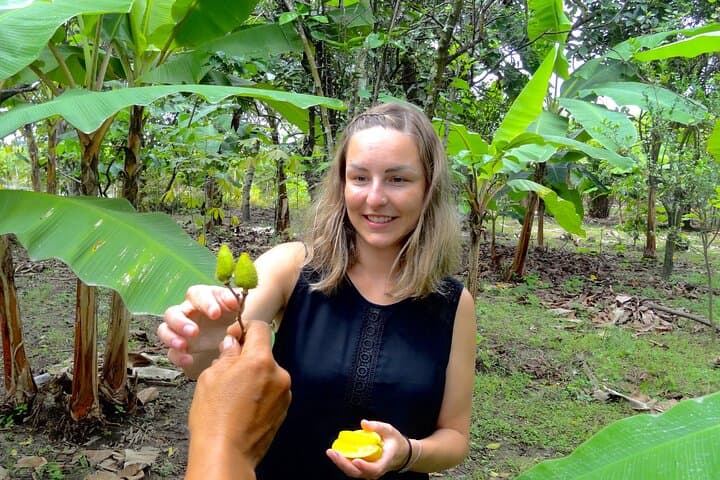
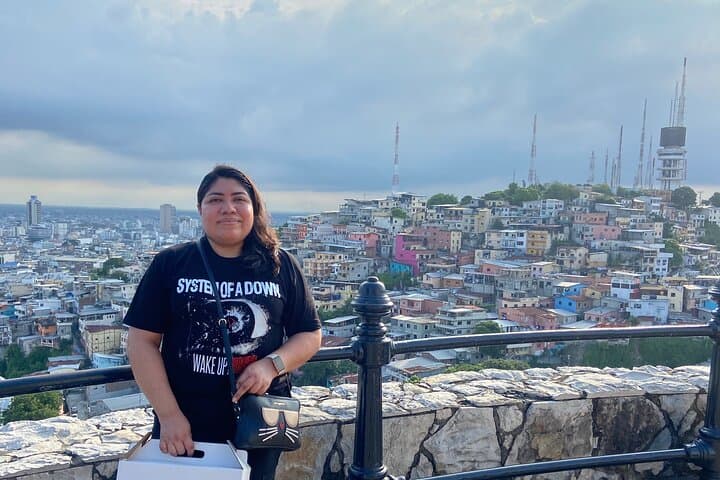
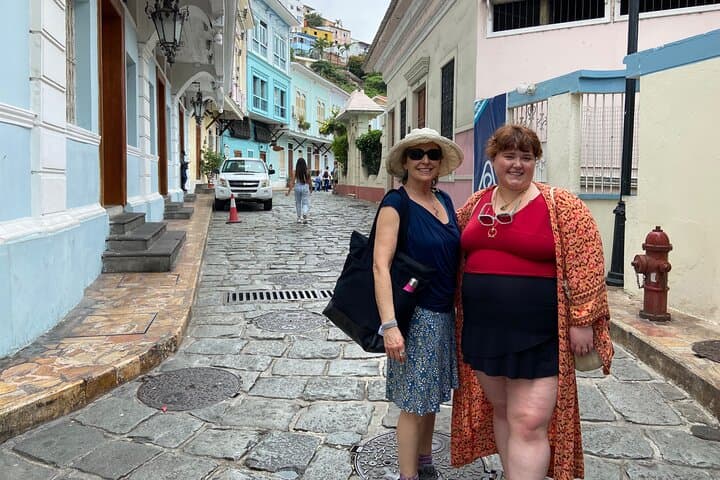
Morning salt air and river traffic set the pace on Guayaquil’s Malecón as the tour departs for a cocoa farm an hour outside the city. Walks on cobblestone streets and the steady climb of Santa Ana’s 444 steps alternate with the humid green hush of plantation rows where cacao pods hang heavy.
Verified experiences and guided adventures in the surrounding area.
Operated by Yamil Saman Cabrera · Guayaquil, Guayas
Morning salt air and river traffic set the pace on Guayaquil’s Malecón as the tour departs for a cocoa farm an hour outside the city. Walks on cobblestone streets and the steady climb of Santa Ana’s 444 steps alternate with the humid green hush of plantation rows where cacao pods hang heavy.
The city’s port history is visible in Las Peñas’ colonial houses and the Malecón’s waterfront commerce; the cocoa route points back to Ecuador’s role as a center for fine aroma cacao. Geologically, the coastal plain here is flat and fertile—alluvial soil that encourages dense, short-statured plantations rather than high-elevation Andean cacao.
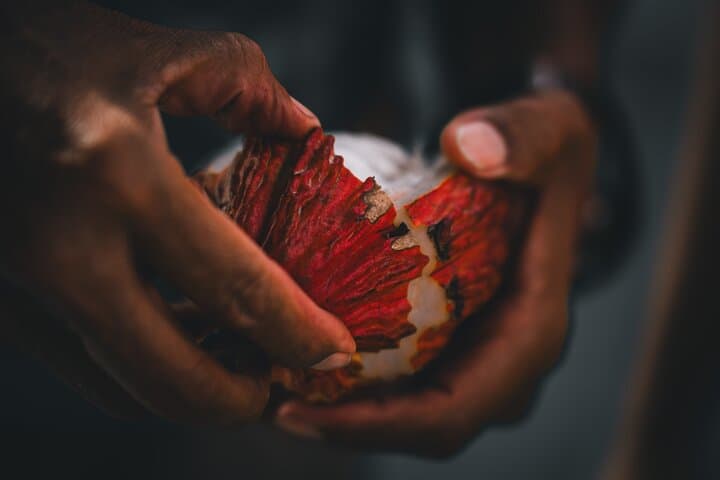
On the farm visitors move from pod opening to fermentation pits and drying patios, watching simple chemistry convert pulp and bean into chocolate flavor. Guides explain traditional harvest timing, local varietals, and the farm-to-table lunch that follows, often featuring fresh fruits and organic preparations.
Practicalities matter: expect a mix of easy walking, some uneven farm tracks, and the stair climb in Las Peñas. Bring sun protection and a light rain layer, and plan for private transport and bottled water included with most tours. The experience is sensory—earthy aromas, the river’s pull, and the click of cobbles underfoot—balanced with clear insight into cacao production and Guayaquil’s urban character.
This half-day suits curious travelers who want cultural context and hands-on food history without a full-day commitment.
easy.
6 hours.
Suitable for most fitness levels; requires short walks, some standing and climbing stairs (444 steps) in Las Peñas.
The tour is approximately six hours and includes private transport, guided visits to a cacao farm, Las Peñas, the Malecón, bottled water, snacks, and lunch.
Yes; guests typically see pod opening, fermentation and drying processes and may sample chocolate made on-site depending on the farm.
The only significant climb is Santa Ana Hill with 444 steps; the rest of the tour involves easy walking on flat urban or farm terrain.
Yes; the tour is suitable for most ages but children should be supervised, especially around fermentation pits and stairs.
Guayaquil grew as an important Pacific port and was central to Ecuador’s independence; Las Peñas preserves colonial architecture and the climb to Santa Ana Hill has long been a civic landmark.
Many small cacao farms emphasize sustainable, shade-grown practices to protect soil and biodiversity; visitors should avoid single-use plastics and support farms using organic methods.
Yamil Saman Cabrera operates guided outdoor trips and adventures with an emphasis on safety, stewardship, and memorable experiences.
Morning salt air and river traffic set the pace on Guayaquil’s Malecón as the tour departs for a cocoa farm an hour outside the city. Walks on cobblestone streets and the steady climb of Santa Ana’s 444 steps alternate with the humid green hush of plantation rows where cacao pods hang heavy.
Morning salt air and river traffic set the pace on Guayaquil’s Malecón as the tour departs for a cocoa farm an hour outside the city. Walks on cobblestone streets and the steady climb of Santa Ana’s 444 steps alternate with the humid green hush of plantation rows where cacao pods hang heavy.
The city’s port history is visible in Las Peñas’ colonial houses and the Malecón’s waterfront commerce; the cocoa route points back to Ecuador’s role as a center for fine aroma cacao. Geologically, the coastal plain here is flat and fertile—alluvial soil that encourages dense, short-statured plantations rather than high-elevation Andean cacao.
On the farm visitors move from pod opening to fermentation pits and drying patios, watching simple chemistry convert pulp and bean into chocolate flavor. Guides explain traditional harvest timing, local varietals, and the farm-to-table lunch that follows, often featuring fresh fruits and organic preparations.
Practicalities matter: expect a mix of easy walking, some uneven farm tracks, and the stair climb in Las Peñas. Bring sun protection and a light rain layer, and plan for private transport and bottled water included with most tours. The experience is sensory—earthy aromas, the river’s pull, and the click of cobbles underfoot—balanced with clear insight into cacao production and Guayaquil’s urban character.
This half-day suits curious travelers who want cultural context and hands-on food history without a full-day commitment.