THE ADVENTURE COLLECTIVE® · Independent discovery and booking for outdoor travel

A guaranteed window seat transforms a short mountain flight from Kathmandu into an almost tactile encounter with Everest and neighboring 8000-meter peaks. Expect early departures, brisk dawn air, and sweeping aerial views of glaciers, ridgelines, and high Himalayan geography.
A guaranteed window seat transforms a short mountain flight from Kathmandu into an almost tactile encounter with Everest and neighboring 8000-meter peaks. Expect early departures, brisk dawn air, and sweeping aerial views of glaciers, ridgelines, and high Himalayan geography.
Morning light over the Kathmandu Valley is thin and decisive; the plane taxis, engines humming like a patient animal, and the Himalaya steps forward to meet you. From Tribhuvan International Airport the flight arcs east, delivering a sequence of peaks—Langtang Lirung, Ganesh Himal, and then the high ridge where Everest and Lhotse stand like a cliff-face skyline. The mountains push at the window, close enough to read the angles of snow and rock.
Verified experiences and guided adventures in the surrounding area.
Operated by Himalaya Holiday service Pvt. Ltd.(HHS) · Kathmandu, Bagmati Province
Morning light over the Kathmandu Valley is thin and decisive; the plane taxis, engines humming like a patient animal, and the Himalaya steps forward to meet you. From Tribhuvan International Airport the flight arcs east, delivering a sequence of peaks—Langtang Lirung, Ganesh Himal, and then the high ridge where Everest and Lhotse stand like a cliff-face skyline. The mountains push at the window, close enough to read the angles of snow and rock.
These mountain flights are a recent chapter in Nepal’s long story of travel. Early flights opened access to Himalayan geography without days of trekking, and today short scenic circuits reveal glacial heads, moraine-carved valleys, and the ragged spine of an orogeny born by plate collision between India and Eurasia. The cultural backdrop—Kathmandu’s Newar squares and prayer flags—frames the ride: the Himalaya are not only geology but living cultural space.
Practical guidance: flights run very early when visibility is best; expect around 50–60 minutes total. A guaranteed window seat changes the experience from distant to intimate, but weather can cancel flights—book early in your trip for flexibility. Dress in layers: dawn at altitude is cold, the cabin is warm. Bring a camera with a short telephoto or compact binoculars; keep straps secured during turns. Medical note: passengers with serious heart or respiratory conditions should consult a physician; infants must sit on laps.
The flight is an efficient, high-impact way to read Nepal’s landscape in an hour—an aerial primer that orients you to peaks, glaciers, and the communities that live in their shadow.
easy.
50–60 minutes.
Minimal fitness required—suitable for most travelers who can board a small aircraft.
Yes—the tour reserves and guarantees a window seat for each booked passenger, ensuring unobstructed views during the flight.
Flights may be canceled for low visibility or bad weather; the operator typically offers a full refund if canceled at least 24 hours prior or reschedules subject to availability.
The flight lasts about 50–60 minutes and passes east of Kathmandu, showing peaks such as Langtang Lirung, Cho-Oyu, Everest, Lhotse, and Chamlang depending on routing and visibility.
Infants must sit on laps; travelers with serious cardiovascular or respiratory conditions are advised not to take the flight and should consult a doctor beforehand.
Mountain scenic flights grew in popularity in the late 20th century as aviation and tourism infrastructure in Nepal improved, providing rapid visual access to peaks formed by the India–Eurasia collision.
Aerial tours minimize ground disturbance but watch for increased visitor pressure on mountain regions; choose operators that follow local regulations and limit extra low passes over fragile glacial areas.
Himalaya Holiday service Pvt. Ltd.(HHS) operates guided outdoor trips and adventures with an emphasis on safety, stewardship, and memorable experiences.
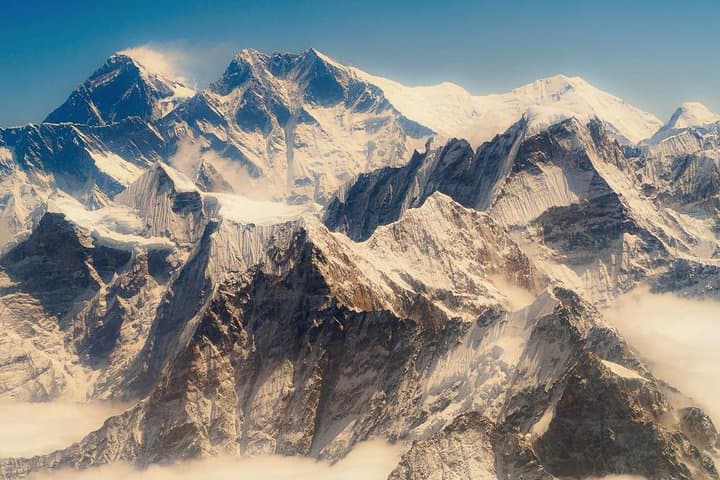
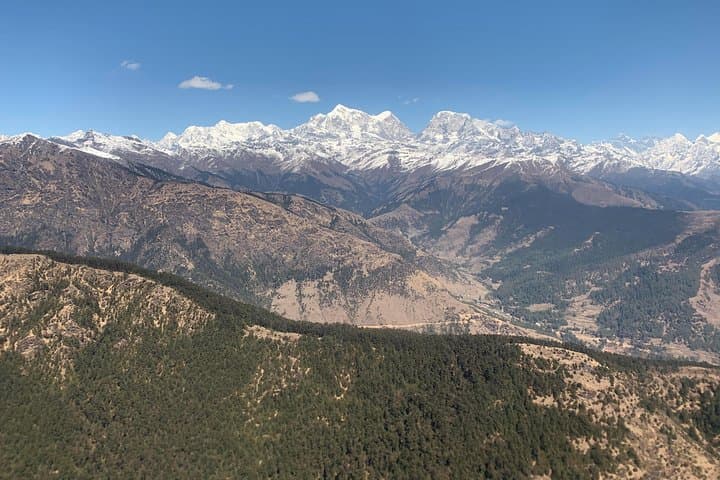
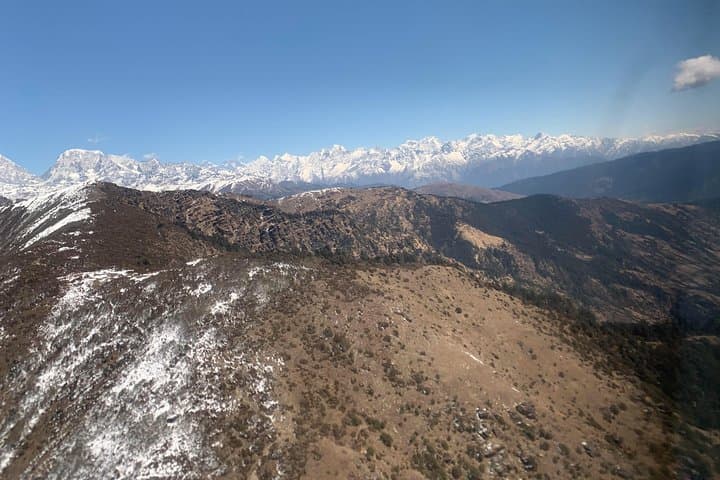
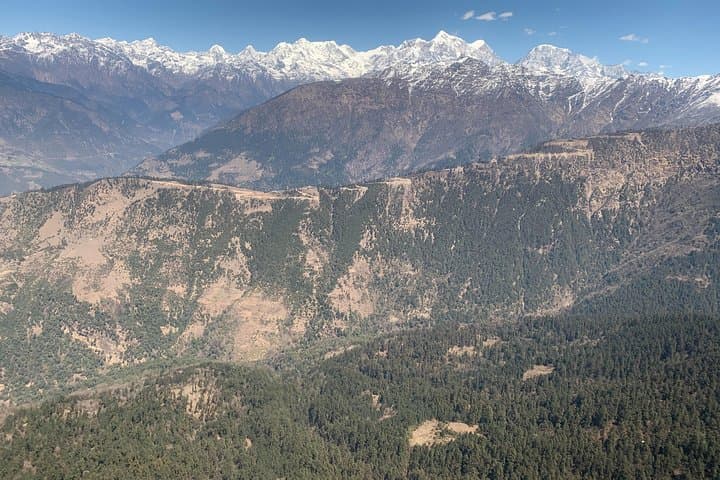
Morning light over the Kathmandu Valley is thin and decisive; the plane taxis, engines humming like a patient animal, and the Himalaya steps forward to meet you. From Tribhuvan International Airport the flight arcs east, delivering a sequence of peaks—Langtang Lirung, Ganesh Himal, and then the high ridge where Everest and Lhotse stand like a cliff-face skyline. The mountains push at the window, close enough to read the angles of snow and rock.
Morning light over the Kathmandu Valley is thin and decisive; the plane taxis, engines humming like a patient animal, and the Himalaya steps forward to meet you. From Tribhuvan International Airport the flight arcs east, delivering a sequence of peaks—Langtang Lirung, Ganesh Himal, and then the high ridge where Everest and Lhotse stand like a cliff-face skyline. The mountains push at the window, close enough to read the angles of snow and rock.
These mountain flights are a recent chapter in Nepal’s long story of travel. Early flights opened access to Himalayan geography without days of trekking, and today short scenic circuits reveal glacial heads, moraine-carved valleys, and the ragged spine of an orogeny born by plate collision between India and Eurasia. The cultural backdrop—Kathmandu’s Newar squares and prayer flags—frames the ride: the Himalaya are not only geology but living cultural space.
Practical guidance: flights run very early when visibility is best; expect around 50–60 minutes total. A guaranteed window seat changes the experience from distant to intimate, but weather can cancel flights—book early in your trip for flexibility. Dress in layers: dawn at altitude is cold, the cabin is warm. Bring a camera with a short telephoto or compact binoculars; keep straps secured during turns. Medical note: passengers with serious heart or respiratory conditions should consult a physician; infants must sit on laps.
The flight is an efficient, high-impact way to read Nepal’s landscape in an hour—an aerial primer that orients you to peaks, glaciers, and the communities that live in their shadow.