THE ADVENTURE COLLECTIVE® · Independent discovery and booking for outdoor travel

Board the Privateer IV in Gloucester for a 3–4 hour excursion to Stellwagen Bank, where nutrient-rich seas attract humpbacks, fins and other marine life. Expect a working-harbor departure, an onboard naturalist, and practical advice for a more comfortable sighting.
Board the Privateer IV in Gloucester for a 3–4 hour excursion to Stellwagen Bank, where nutrient-rich seas attract humpbacks, fins and other marine life. Expect a working-harbor departure, an onboard naturalist, and practical advice for a more comfortable sighting.
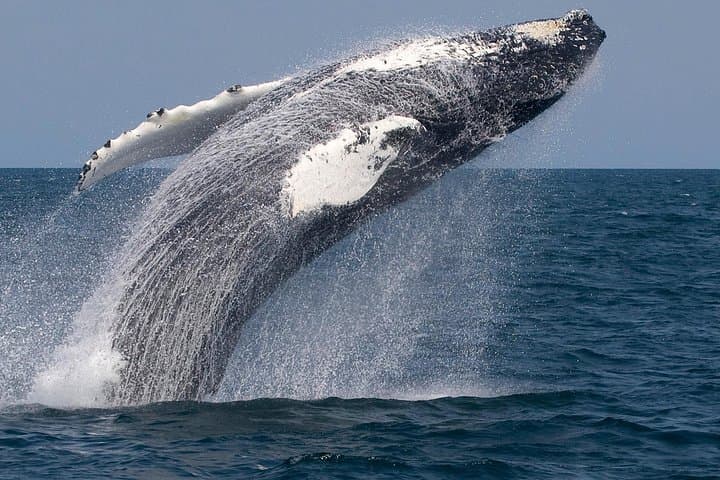
The Privateer IV eases out of Gloucester Harbor and the waterfront’s work-day rhythm falls away—crates clack, gulls wheel and the harbor’s currents seem to push the bow toward open water. Within an hour the coastline slims and the ocean opens to the pale swell of Stellwagen Bank, where plankton-rich upwellings lure humpbacks, fins and minkes.
Verified experiences and guided adventures in the surrounding area.
Operated by 7 Seas whale Watch · Gloucester, Massachusetts
The Privateer IV eases out of Gloucester Harbor and the waterfront’s work-day rhythm falls away—crates clack, gulls wheel and the harbor’s currents seem to push the bow toward open water. Within an hour the coastline slims and the ocean opens to the pale swell of Stellwagen Bank, where plankton-rich upwellings lure humpbacks, fins and minkes.
Stellwagen Bank is a glacial remnant: a submerged plateau carved by ice and current that concentrates food and, by extension, large whales. Gloucester’s fishing culture, dating to the 17th century, still shapes the docks you pass on departure—trap lines, salt-streaked boats and a family-run boat company with captains whose grandparents worked the same slips.
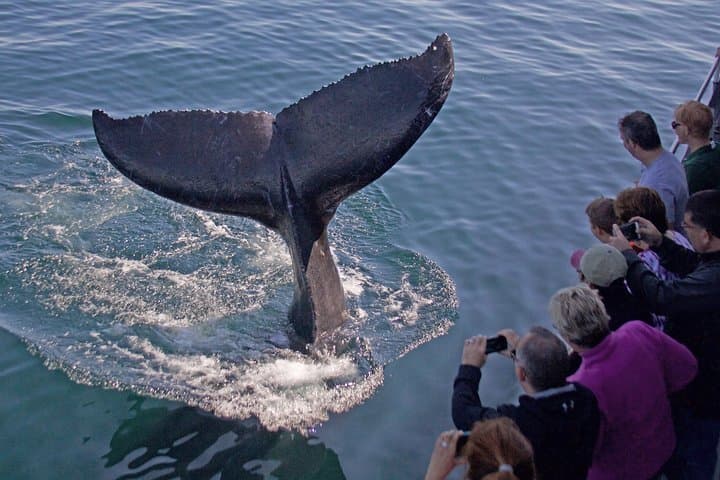
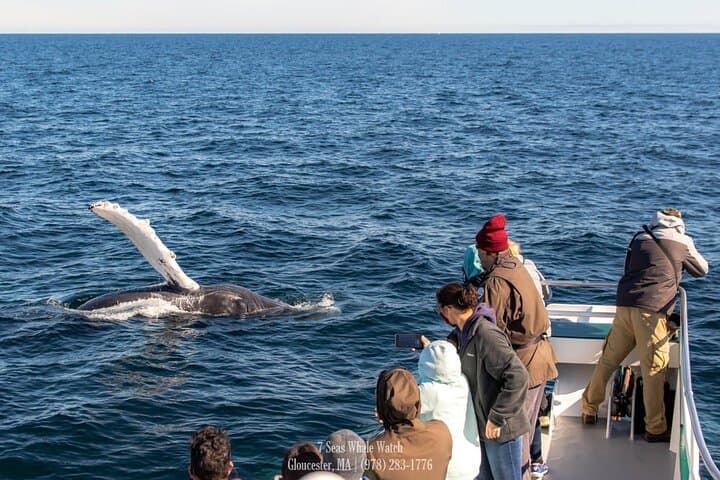
On deck a naturalist will call out tail flukes and blow patterns; seals and terns punctuate the scene, sometimes daring you closer to the rail. The water’s character changes by the hour—flat and glassy before dawn, chop-pricked in afternoon sea breezes—so timing matters for comfort and sightlines.
Practical guidance: arrive 30–45 minutes ahead to check in and find seating on the Privateer IV (capacity limited for comfort). Dress in layers—ocean wind strips warmth fast—bring binoculars and motion-sickness prevention if you’re prone. Trips run mid-April through mid-October and are typically 3–4 hours; itinerary may extend if whales feed farther offshore. Respect viewing rules: stay quiet at sightings, follow crew instructions, and keep trash aboard. For photographers, use a fast shutter and expect shifting light; for families, the onboard galley and restrooms make the voyage manageable. This is wildlife viewing, not a guarantee of close encounters, but experienced crews and productive waters make Stellwagen Bank one of New England’s most consistent whale destinations.
easy.
3–4 hours.
Suitable for most fitness levels; requires mobility for boarding and stairs on deck.
Trips typically run from mid-April through mid-October when whales frequent Stellwagen Bank for feeding.
Most outings last about 3–4 hours; the captain may extend the trip if whales move farther offshore.
Yes; the vessel has restrooms and a galley, and the tour is rated easy, but consider motion-sickness prevention and boarding assistance for those with limited mobility.
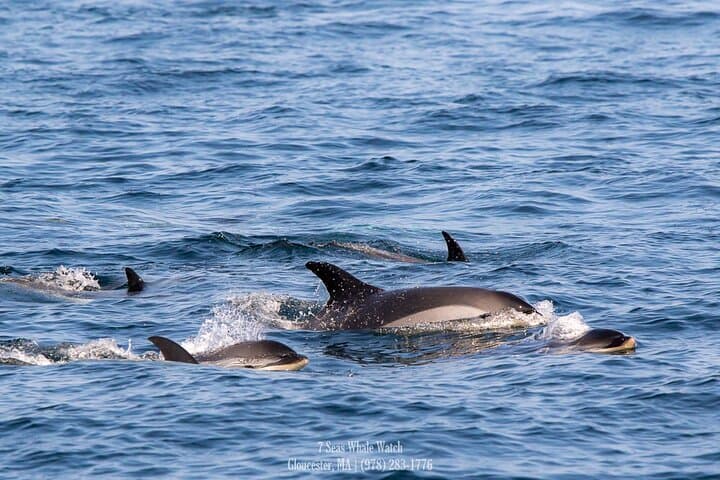
Common sightings include humpback, fin and minke whales, plus seals and seabirds; sightings are never guaranteed but are frequent in productive feeding areas.
Gloucester’s waterfront has been a commercial fishing hub since colonial times; local boat families have run passenger vessels and fishing fleets for generations.
Stellwagen Bank is a federally protected marine sanctuary; operators follow NOAA guidelines to minimize disturbance and encourage responsible viewing and waste practices.
7 Seas whale Watch operates guided outdoor trips and adventures with an emphasis on safety, stewardship, and memorable experiences.
The Privateer IV eases out of Gloucester Harbor and the waterfront’s work-day rhythm falls away—crates clack, gulls wheel and the harbor’s currents seem to push the bow toward open water. Within an hour the coastline slims and the ocean opens to the pale swell of Stellwagen Bank, where plankton-rich upwellings lure humpbacks, fins and minkes.
The Privateer IV eases out of Gloucester Harbor and the waterfront’s work-day rhythm falls away—crates clack, gulls wheel and the harbor’s currents seem to push the bow toward open water. Within an hour the coastline slims and the ocean opens to the pale swell of Stellwagen Bank, where plankton-rich upwellings lure humpbacks, fins and minkes.
Stellwagen Bank is a glacial remnant: a submerged plateau carved by ice and current that concentrates food and, by extension, large whales. Gloucester’s fishing culture, dating to the 17th century, still shapes the docks you pass on departure—trap lines, salt-streaked boats and a family-run boat company with captains whose grandparents worked the same slips.
On deck a naturalist will call out tail flukes and blow patterns; seals and terns punctuate the scene, sometimes daring you closer to the rail. The water’s character changes by the hour—flat and glassy before dawn, chop-pricked in afternoon sea breezes—so timing matters for comfort and sightlines.
Practical guidance: arrive 30–45 minutes ahead to check in and find seating on the Privateer IV (capacity limited for comfort). Dress in layers—ocean wind strips warmth fast—bring binoculars and motion-sickness prevention if you’re prone. Trips run mid-April through mid-October and are typically 3–4 hours; itinerary may extend if whales feed farther offshore. Respect viewing rules: stay quiet at sightings, follow crew instructions, and keep trash aboard. For photographers, use a fast shutter and expect shifting light; for families, the onboard galley and restrooms make the voyage manageable. This is wildlife viewing, not a guarantee of close encounters, but experienced crews and productive waters make Stellwagen Bank one of New England’s most consistent whale destinations.