THE ADVENTURE COLLECTIVE® · Independent discovery and booking for outdoor travel

Spend a day moving from historic clan temples and canal-front districts to Guangzhou’s modern CBD and Canton Tower. This private tour pairs local cultural context with efficient logistics and a Cantonese lunch.
Spend a day moving from historic clan temples and canal-front districts to Guangzhou’s modern CBD and Canton Tower. This private tour pairs local cultural context with efficient logistics and a Cantonese lunch.
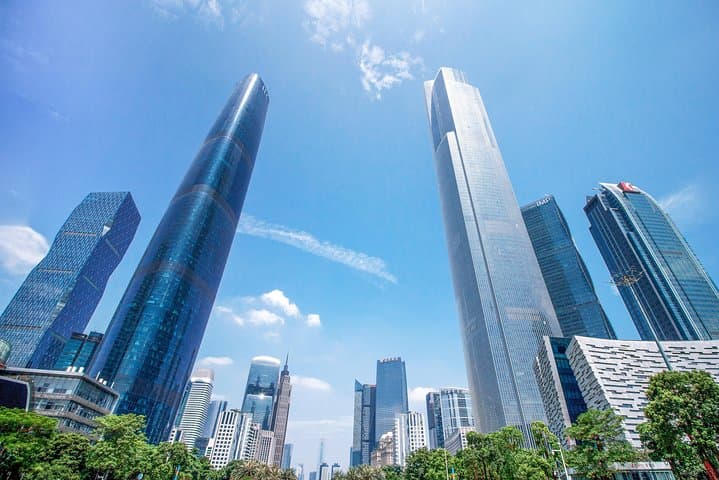
Morning light cuts across the Pearl River as a private car rolls through Guangzhou’s veins, moving from shaded colonial streets to the glass-and-steel of the modern CBD. On this full-day private tour travelers move at a steady urban pace: incense-scented courtyards, tree-lined canals, museum plazas and a skyline that keeps reasserting itself.
Verified experiences and guided adventures in the surrounding area.
Operated by Trippest Travel · Guangzhou, Guangdong
Morning light cuts across the Pearl River as a private car rolls through Guangzhou’s veins, moving from shaded colonial streets to the glass-and-steel of the modern CBD. On this full-day private tour travelers move at a steady urban pace: incense-scented courtyards, tree-lined canals, museum plazas and a skyline that keeps reasserting itself.
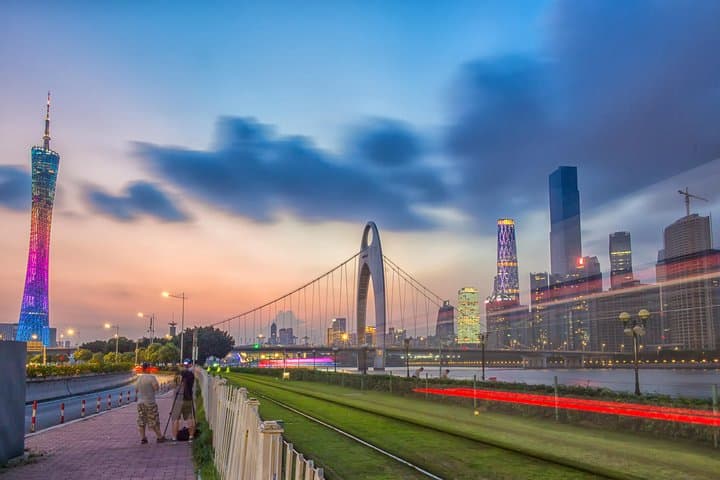
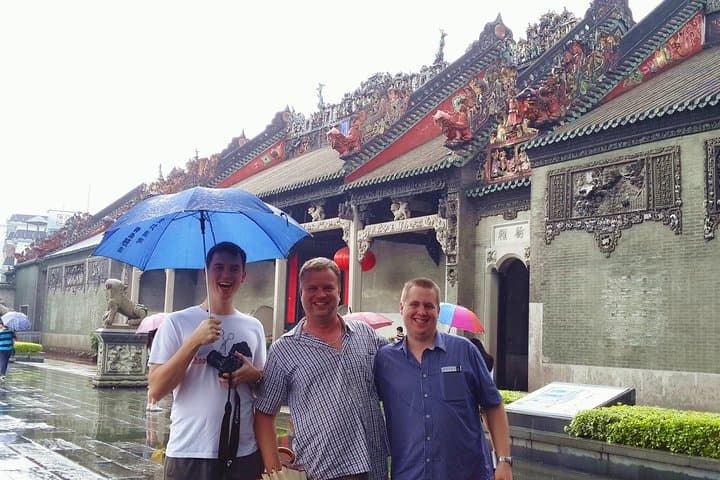
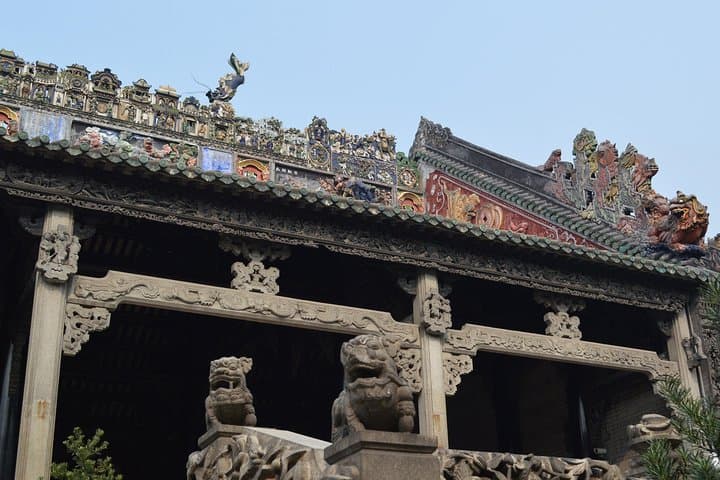
Start in the Qing-era Chen Clan Ancestral Hall, where carved beams and tile work speak to Guangdong’s artisan history and the role of clan associations in regional commerce. A walk along Lizhiwan canal and Shamian Island follows, offering layered views of 19th- and 20th-century trade architecture, small temples and leafy promenades that once framed Guangzhou’s riverine trade. The afternoon shifts to Huacheng Square and Er Sha Island’s cultural institutions, then up to Canton Tower’s soaring silhouette to read the modern city against the river.
Geology here is subtle: the flat Pearl River delta made Guangzhou a natural transport hub; the city’s expansion is a story of water, sediment and commerce. Culturally, Cantonese food and teahouse culture provide tangible entry points — expect dim sum-style techniques and a local tempo.
Practical guidance: wear comfortable walking shoes and bring a light rain layer — sudden showers are common. Schedule pickups earlier in summer to avoid late-afternoon heat and plan lunch for regional Cantonese dishes. The private guide handles logistics and lines, leaving you to focus on architecture, museums and people-watching along the river.
easy.
8 hours.
Suitable for most travelers; involves several short walks on mostly flat urban terrain and occasional stairs.
The tour typically starts at 8:30 AM and runs about 8 hours, including hotel pickup and drop-off.
Entrance fees for the listed attractions are included, as noted in the tour inclusions.
Yes; infants must sit on an adult’s lap and the tour is rated easy for all fitness levels.
Yes—the tour includes an English-speaking professional guide for the full day.
Guangzhou’s growth is tied to its position on the Pearl River delta and centuries of maritime trade; clan halls like Chen Clan Temple reflect family networks that supported migration and commerce.
Riverside redevelopment has balanced public access with flood control; visitors should stick to paths and avoid littering to protect local waterways.
Trippest Travel operates guided outdoor trips and adventures with an emphasis on safety, stewardship, and memorable experiences.
Morning light cuts across the Pearl River as a private car rolls through Guangzhou’s veins, moving from shaded colonial streets to the glass-and-steel of the modern CBD. On this full-day private tour travelers move at a steady urban pace: incense-scented courtyards, tree-lined canals, museum plazas and a skyline that keeps reasserting itself.
Morning light cuts across the Pearl River as a private car rolls through Guangzhou’s veins, moving from shaded colonial streets to the glass-and-steel of the modern CBD. On this full-day private tour travelers move at a steady urban pace: incense-scented courtyards, tree-lined canals, museum plazas and a skyline that keeps reasserting itself.
Start in the Qing-era Chen Clan Ancestral Hall, where carved beams and tile work speak to Guangdong’s artisan history and the role of clan associations in regional commerce. A walk along Lizhiwan canal and Shamian Island follows, offering layered views of 19th- and 20th-century trade architecture, small temples and leafy promenades that once framed Guangzhou’s riverine trade. The afternoon shifts to Huacheng Square and Er Sha Island’s cultural institutions, then up to Canton Tower’s soaring silhouette to read the modern city against the river.
Geology here is subtle: the flat Pearl River delta made Guangzhou a natural transport hub; the city’s expansion is a story of water, sediment and commerce. Culturally, Cantonese food and teahouse culture provide tangible entry points — expect dim sum-style techniques and a local tempo.
Practical guidance: wear comfortable walking shoes and bring a light rain layer — sudden showers are common. Schedule pickups earlier in summer to avoid late-afternoon heat and plan lunch for regional Cantonese dishes. The private guide handles logistics and lines, leaving you to focus on architecture, museums and people-watching along the river.