THE ADVENTURE COLLECTIVE® · Independent discovery and booking for outdoor travel

A practical, scene-driven guide to Guangzhou’s Chimelong Safari Park. Learn what to expect from exhibits, how the park is arranged, and smart planning tips to make the most of a six-hour visit.
A practical, scene-driven guide to Guangzhou’s Chimelong Safari Park. Learn what to expect from exhibits, how the park is arranged, and smart planning tips to make the most of a six-hour visit.
You step through the gate and the air shifts — humid warmth, calls from distant enclosures, and the steady shuffle of crowds and animal life. Paths curve through subtropical planting; broad avenues lead to open savanna displays where giraffes browse and dense, forested zones hide nocturnal exhibits. Chimelong moves at park pace: deliberate, busy, and designed to deliver close encounters without feeling rushed.
Verified experiences and guided adventures in the surrounding area.
Operated by zowoyoo · Guangzhou, Guangdong
You step through the gate and the air shifts — humid warmth, calls from distant enclosures, and the steady shuffle of crowds and animal life. Paths curve through subtropical planting; broad avenues lead to open savanna displays where giraffes browse and dense, forested zones hide nocturnal exhibits. Chimelong moves at park pace: deliberate, busy, and designed to deliver close encounters without feeling rushed.
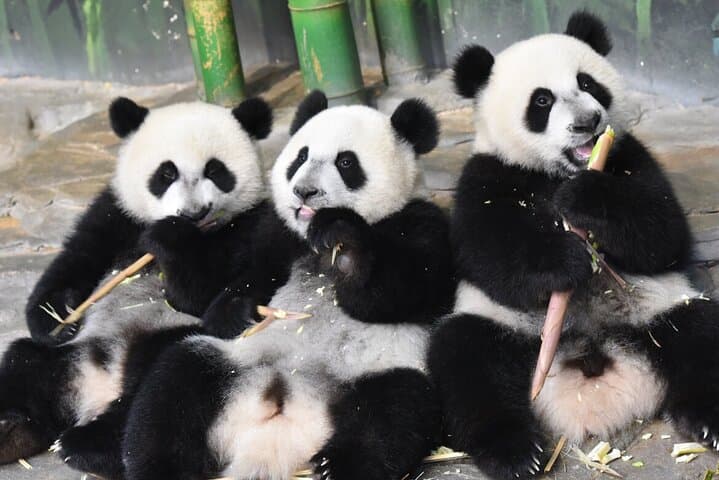
Opened in 1997 and covering more than 2,000 mu (roughly 133 hectares), Chimelong is one of China’s largest private wildlife parks. It houses over 20,000 animals across about 500 species — from China’s famous giant pandas (including the only surviving panda triplets named Meng Meng, Shuai Shuai, and Cool) to the largest koala population outside Australia. The layout reflects Panyu’s low-rolling terrain and subtropical climate; waterways and planted corridors shape visitor flow and animal habitats.
Expect a mix of immersive walkthroughs, staged feeding platforms, and interpretive displays. Animals often set the tempo here: elephants amble like old captains, while river otters dart and dare you to follow.
Practical guide: plan for roughly six hours to see key zones, arrive early to avoid midday crowds, and prioritize pandas and koalas when they’re most active in the morning. Tickets are mobile-friendly but nonrefundable, and most exhibits are stroller- and wheelchair-accessible. Bring sunscreen, comfortable shoes, and a refillable bottle; join keeper talks where available to get context on behavior and conservation. Keep to paths, respect viewing distances, and allow time for transit to and from central Guangzhou — public transport and taxis serve Chimelong but travel time varies with weekday traffic.
easy.
6 hours.
Light walking fitness; suitable for travelers of most ages and abilities who can manage several kilometers of walking with short breaks.
Plan about six hours to see major zones and attend a few keeper talks; a full day lets you move at an unhurried pace.
Yes — Chimelong is home to several giant pandas including a famed set of triplets; exhibit times vary so visit early when they are most active.
Yes — public buses and metro connections reach Chimelong Tourist Resort; taxis and ride-hailing are common, though travel time depends on Guangzhou traffic.
Outside snacks are generally allowed in designated areas, but feeding animals is prohibited and larger picnic setups may be restricted; check on-site signage.
Chimelong opened in 1997 as one of China’s first large private wildlife parks and expanded into a major tourism resort over decades.
The park runs captive-breeding and research programs for several species and emphasizes visitor education; stick to paths and follow rules to minimize disturbance.
zowoyoo operates guided outdoor trips and adventures with an emphasis on safety, stewardship, and memorable experiences.

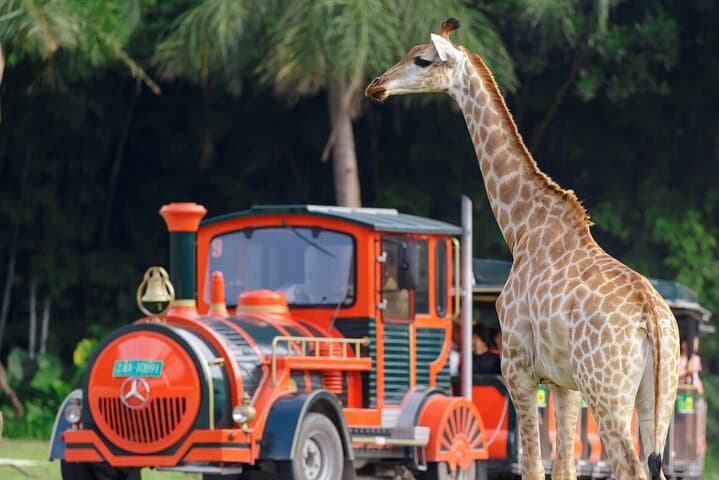
You step through the gate and the air shifts — humid warmth, calls from distant enclosures, and the steady shuffle of crowds and animal life. Paths curve through subtropical planting; broad avenues lead to open savanna displays where giraffes browse and dense, forested zones hide nocturnal exhibits. Chimelong moves at park pace: deliberate, busy, and designed to deliver close encounters without feeling rushed.
You step through the gate and the air shifts — humid warmth, calls from distant enclosures, and the steady shuffle of crowds and animal life. Paths curve through subtropical planting; broad avenues lead to open savanna displays where giraffes browse and dense, forested zones hide nocturnal exhibits. Chimelong moves at park pace: deliberate, busy, and designed to deliver close encounters without feeling rushed.
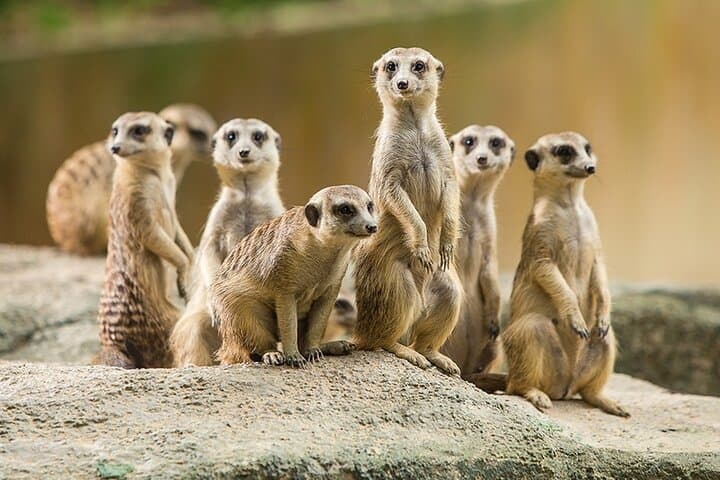
Opened in 1997 and covering more than 2,000 mu (roughly 133 hectares), Chimelong is one of China’s largest private wildlife parks. It houses over 20,000 animals across about 500 species — from China’s famous giant pandas (including the only surviving panda triplets named Meng Meng, Shuai Shuai, and Cool) to the largest koala population outside Australia. The layout reflects Panyu’s low-rolling terrain and subtropical climate; waterways and planted corridors shape visitor flow and animal habitats.
Expect a mix of immersive walkthroughs, staged feeding platforms, and interpretive displays. Animals often set the tempo here: elephants amble like old captains, while river otters dart and dare you to follow.
Practical guide: plan for roughly six hours to see key zones, arrive early to avoid midday crowds, and prioritize pandas and koalas when they’re most active in the morning. Tickets are mobile-friendly but nonrefundable, and most exhibits are stroller- and wheelchair-accessible. Bring sunscreen, comfortable shoes, and a refillable bottle; join keeper talks where available to get context on behavior and conservation. Keep to paths, respect viewing distances, and allow time for transit to and from central Guangzhou — public transport and taxis serve Chimelong but travel time varies with weekday traffic.