THE ADVENTURE COLLECTIVE® · Independent discovery and booking for outdoor travel

Spend a day moving from coffee fields to pottery kilns in Guanacaste: learn the seed-to-cup process at Diriá, try your hand at Chorotega pottery in Matambú, and sample folklore and local food in Santa Cruz. A practical, sensory-rich cultural loop perfect for curious travelers.
Spend a day moving from coffee fields to pottery kilns in Guanacaste: learn the seed-to-cup process at Diriá, try your hand at Chorotega pottery in Matambú, and sample folklore and local food in Santa Cruz. A practical, sensory-rich cultural loop perfect for curious travelers.
A morning mist lifts off the hills around Hojancha as you step onto the plantation path—steam from a fresh pot of coffee curls in the air and the first beans crackle under the grinder. The Diriá farm feels alive: rows of coffee bushes slope steadily down the ridgeline, the canopy above keeping the sun in check while the smell of roasting beans dares you to hurry your first sip.
Verified experiences and guided adventures in the surrounding area.
Operated by Guanacaste Viajes | Tours and Airport Transfers · Hojancha, Guanacaste
A morning mist lifts off the hills around Hojancha as you step onto the plantation path—steam from a fresh pot of coffee curls in the air and the first beans crackle under the grinder. The Diriá farm feels alive: rows of coffee bushes slope steadily down the ridgeline, the canopy above keeping the sun in check while the smell of roasting beans dares you to hurry your first sip.
The day moves from field to kiln. In Guaitil (Matambú) potters work with the same Chorotega techniques used for centuries—hands rhythmically shaping local clay, pigments pulled from earth and plants. Santa Cruz closes the loop: a low-key plaza where folklore music punctuates long lunches of casados and rosquillas, and artisans hang their wares on simple rails.
Geologically, this part of Guanacaste sits on volcanic soils that lend minerals to coffee plants and pottery clay alike; culturally it’s a stretch of the Nicoya Peninsula known for longevity and strong artisan traditions. Expect easy walking on farm tracks (roughly 1–2 km total on uneven ground, modest elevation changes of ~100–200 m).
Practical edge: the tour runs about six hours with private transport and a bilingual guide; lunch and coffee tastings are included. Mornings are cooler and best for photography; bring sunscreen, sturdy closed-toe shoes, and small bills for purchases at artisan stalls. Respect kiln schedules and ask before photographing people at work. This is a hands-on cultural day that pairs sensory detail with accessible terrain—ideal for travelers who want meaningful, low-impact contact with Costa Rica’s rural life.
easy.
6 hours.
Suitable for most fitness levels; requires short periods of standing and 1–2 km of easy walking on uneven terrain.
Yes—private transportation between sites is included in the tour price.
Yes—coffee tastings and a local lunch are included as listed in the itinerary.
Yes—the tour is labeled easy and suitable for all fitness levels; there are short walks and seated demos.
Yes—most studios sell pieces on-site; bring small bills and allow extra time if you plan to shop.
The Chorotega people established pottery traditions here before European contact; those techniques survive in Guaitil/Matambú and remain central to local identity.
Many small coffee farms in Guanacaste practice shade-grown or mixed cropping to protect soils and biodiversity; choosing local artisans supports community economies and reduces shipping-related impacts.
Guanacaste Viajes | Tours and Airport Transfers operates guided outdoor trips and adventures with an emphasis on safety, stewardship, and memorable experiences.
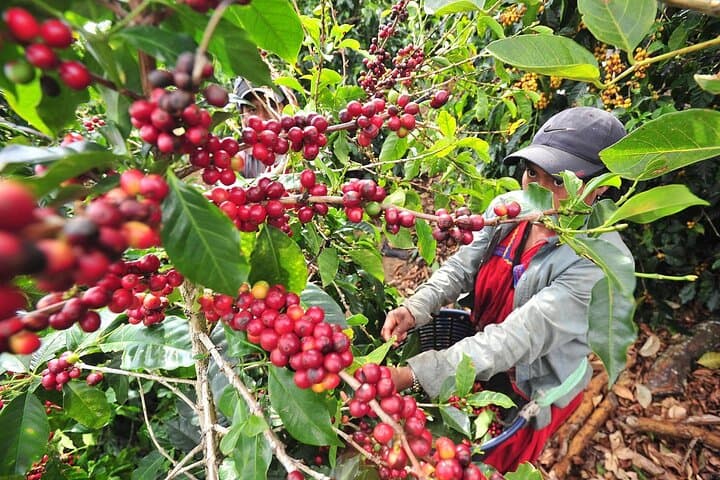
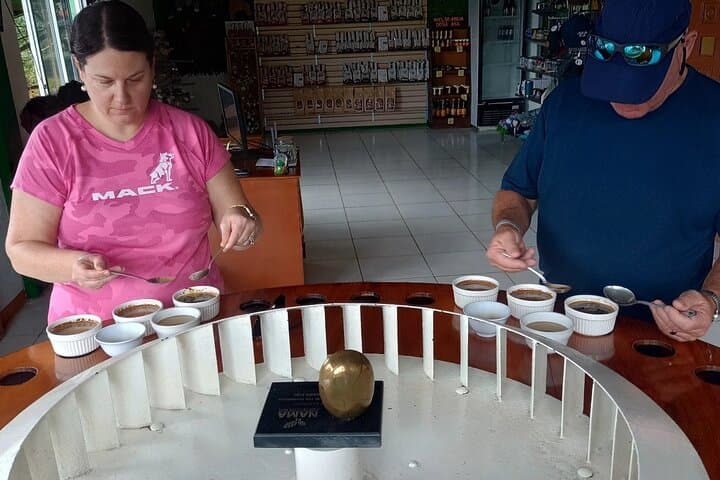

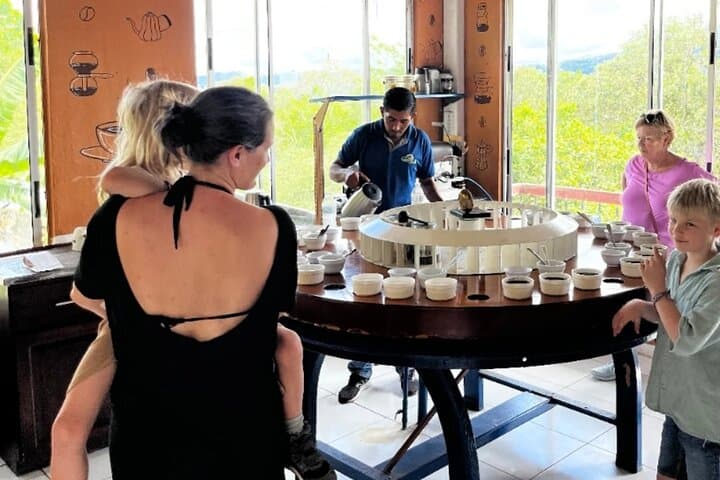
A morning mist lifts off the hills around Hojancha as you step onto the plantation path—steam from a fresh pot of coffee curls in the air and the first beans crackle under the grinder. The Diriá farm feels alive: rows of coffee bushes slope steadily down the ridgeline, the canopy above keeping the sun in check while the smell of roasting beans dares you to hurry your first sip.
A morning mist lifts off the hills around Hojancha as you step onto the plantation path—steam from a fresh pot of coffee curls in the air and the first beans crackle under the grinder. The Diriá farm feels alive: rows of coffee bushes slope steadily down the ridgeline, the canopy above keeping the sun in check while the smell of roasting beans dares you to hurry your first sip.
The day moves from field to kiln. In Guaitil (Matambú) potters work with the same Chorotega techniques used for centuries—hands rhythmically shaping local clay, pigments pulled from earth and plants. Santa Cruz closes the loop: a low-key plaza where folklore music punctuates long lunches of casados and rosquillas, and artisans hang their wares on simple rails.
Geologically, this part of Guanacaste sits on volcanic soils that lend minerals to coffee plants and pottery clay alike; culturally it’s a stretch of the Nicoya Peninsula known for longevity and strong artisan traditions. Expect easy walking on farm tracks (roughly 1–2 km total on uneven ground, modest elevation changes of ~100–200 m).
Practical edge: the tour runs about six hours with private transport and a bilingual guide; lunch and coffee tastings are included. Mornings are cooler and best for photography; bring sunscreen, sturdy closed-toe shoes, and small bills for purchases at artisan stalls. Respect kiln schedules and ask before photographing people at work. This is a hands-on cultural day that pairs sensory detail with accessible terrain—ideal for travelers who want meaningful, low-impact contact with Costa Rica’s rural life.