THE ADVENTURE COLLECTIVE® · Independent discovery and booking for outdoor travel

Follow the rugged eastern shoreline of St. Maarten on a 2–3 hour guided coastal hike to Geneve Bay. Expect rocky trails, coastal geology, and pebbled beaches with sweeping views of neighboring islets.
Follow the rugged eastern shoreline of St. Maarten on a 2–3 hour guided coastal hike to Geneve Bay. Expect rocky trails, coastal geology, and pebbled beaches with sweeping views of neighboring islets.
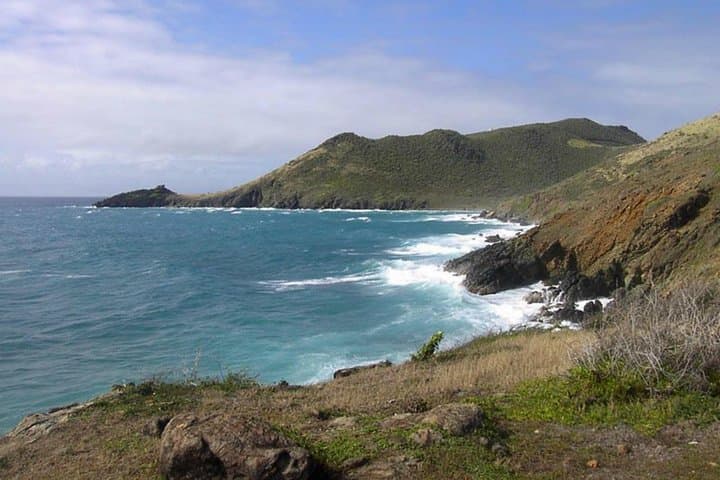
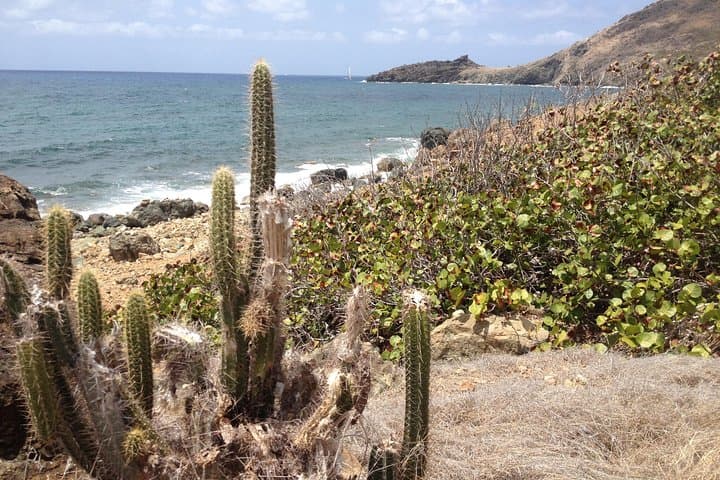
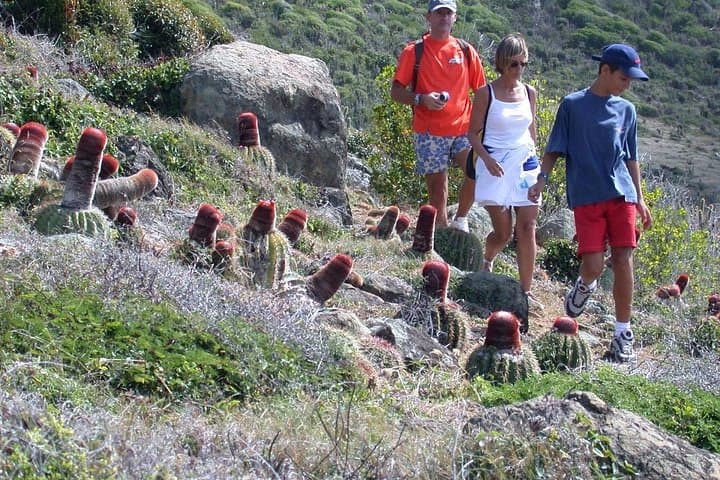
Salt air and wind shape the eastern flank of St. Maarten; the Guana Bay Coastal Hike drops you onto narrow trails where scrub pines and low succulents lean into the breeze and the Atlantic keeps a steady, insistent rhythm. You begin at a small trailhead, collect a hip pack and bottle of water from your guide, then move along rocky, natural paths that trace the island’s rugged spine.
Verified experiences and guided adventures in the surrounding area.
Operated by Tri-Sport · Guana Bay, Sint Maarten
Salt air and wind shape the eastern flank of St. Maarten; the Guana Bay Coastal Hike drops you onto narrow trails where scrub pines and low succulents lean into the breeze and the Atlantic keeps a steady, insistent rhythm. You begin at a small trailhead, collect a hip pack and bottle of water from your guide, then move along rocky, natural paths that trace the island’s rugged spine.
The route traces geology of ancient limestone and volcanic outcrops sculpted by waves and time; guides point out layered rock formations and native flora like agave and sea grape. The area has a compact colonial history — fishermen and sailors used these coves as waypoints — and the guide often weaves island stories about land use and local maritime culture as you walk.
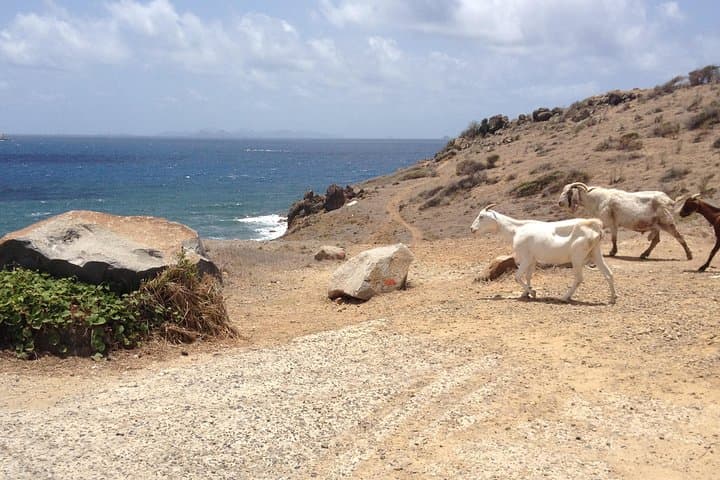
Expect pebble beaches at Geneve Bay where the ocean reclaims the shore with a purposeful, rolling push; it’s a natural place to pause, photograph neighboring islets and listen to the surf. Terrain is uneven: packed dirt, loose stones and short scrambles around headlands. Footwear with grip and ankle support matters, and the trail benefits from morning or late-afternoon timing to avoid the strongest sun.
Practical notes: the tour is about 2–3 hours, requires moderate fitness, and runs with small groups. Guides supply safety briefings, a hip pack and water; come prepared with sun protection, closed hiking shoes and a light wind layer. Respect trail markers, leave no trace on fragile coastal plants, and plan transport back to Philipsburg or nearby lodgings — the hike is a compact, high-value taste of St. Maarten’s raw eastern shore.
moderate.
2–3 hours.
Moderate cardio and stable ankles recommended; should be comfortable on uneven terrain for several miles
The tour lasts about 2–3 hours and is rated moderate—expect uneven terrain, some short scrambles and sustained walking on rocky paths.
Service animals are allowed; this hike is best for children used to walking on uneven ground—check operator age limits before booking.
Bring sunscreen, a hat, sturdy closed-toe shoes, and any personal medications; guides provide a hip pack and bottled water.
Trips are canceled in bad weather for safety; check cancellation policy and monitor local forecasts during hurricane season.
The eastern shore served local fishermen and was a navigation landmark for colonial mariners; the geology reveals older volcanic and sedimentary layers.
Stay on established paths to protect fragile coastal plants and nesting seabirds; carry out all trash and avoid disturbing wildlife.
Tri-Sport operates guided outdoor trips and adventures with an emphasis on safety, stewardship, and memorable experiences.
Salt air and wind shape the eastern flank of St. Maarten; the Guana Bay Coastal Hike drops you onto narrow trails where scrub pines and low succulents lean into the breeze and the Atlantic keeps a steady, insistent rhythm. You begin at a small trailhead, collect a hip pack and bottle of water from your guide, then move along rocky, natural paths that trace the island’s rugged spine.
Salt air and wind shape the eastern flank of St. Maarten; the Guana Bay Coastal Hike drops you onto narrow trails where scrub pines and low succulents lean into the breeze and the Atlantic keeps a steady, insistent rhythm. You begin at a small trailhead, collect a hip pack and bottle of water from your guide, then move along rocky, natural paths that trace the island’s rugged spine.
The route traces geology of ancient limestone and volcanic outcrops sculpted by waves and time; guides point out layered rock formations and native flora like agave and sea grape. The area has a compact colonial history — fishermen and sailors used these coves as waypoints — and the guide often weaves island stories about land use and local maritime culture as you walk.
Expect pebble beaches at Geneve Bay where the ocean reclaims the shore with a purposeful, rolling push; it’s a natural place to pause, photograph neighboring islets and listen to the surf. Terrain is uneven: packed dirt, loose stones and short scrambles around headlands. Footwear with grip and ankle support matters, and the trail benefits from morning or late-afternoon timing to avoid the strongest sun.
Practical notes: the tour is about 2–3 hours, requires moderate fitness, and runs with small groups. Guides supply safety briefings, a hip pack and water; come prepared with sun protection, closed hiking shoes and a light wind layer. Respect trail markers, leave no trace on fragile coastal plants, and plan transport back to Philipsburg or nearby lodgings — the hike is a compact, high-value taste of St. Maarten’s raw eastern shore.