THE ADVENTURE COLLECTIVE® · Independent discovery and booking for outdoor travel

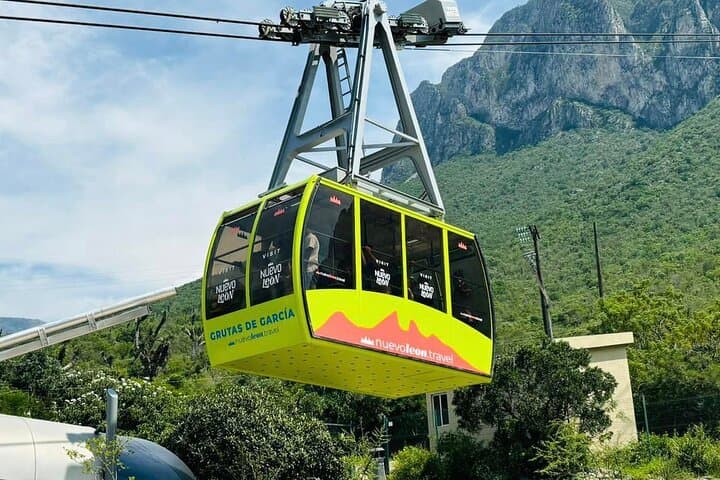
Ride a cable car above Monterrey, walk a 2 km route through dramatic limestone chambers and descend 750 steps on a guided tour of Grutas de García. This half-day excursion pairs mountain views with subterranean geology and included round-trip transfer from Monterrey.
Ride a cable car above Monterrey, walk a 2 km route through dramatic limestone chambers and descend 750 steps on a guided tour of Grutas de García. This half-day excursion pairs mountain views with subterranean geology and included round-trip transfer from Monterrey.
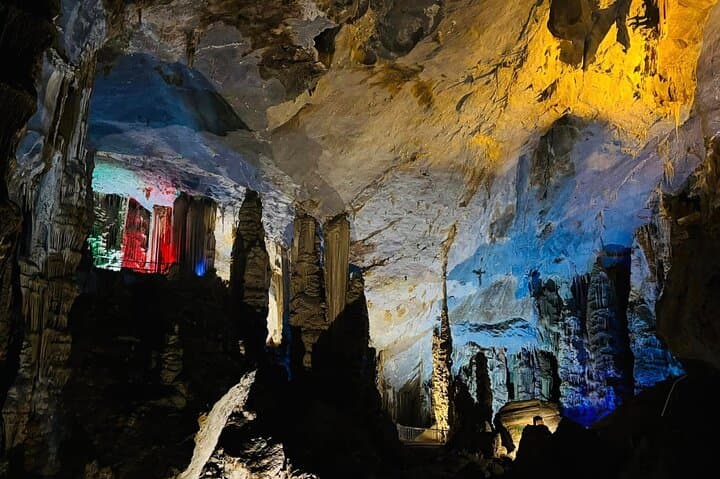
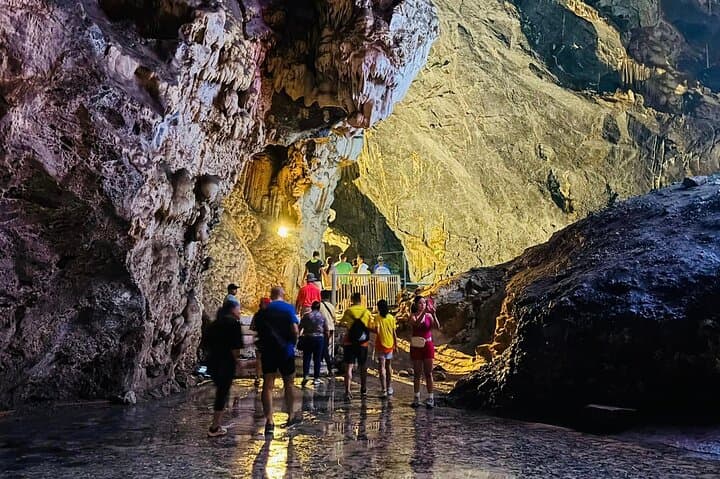
You step out of an air-conditioned van where pine-scrub meets rocky flank, the city dropping away below. A short climb and a quick cable-car ride lift you to a bluff where the cave mouth yawns—cool, humid air that smells faintly mineral and moss. The path inside alternates wide chambers and narrowing passages, the light of your guide’s lamp throwing stalactites and stalagmites into sharp relief while the group moves at a steady, conversational pace.
Verified experiences and guided adventures in the surrounding area.
Operated by MONTERREY TOUR · García, Nuevo León
You step out of an air-conditioned van where pine-scrub meets rocky flank, the city dropping away below. A short climb and a quick cable-car ride lift you to a bluff where the cave mouth yawns—cool, humid air that smells faintly mineral and moss. The path inside alternates wide chambers and narrowing passages, the light of your guide’s lamp throwing stalactites and stalagmites into sharp relief while the group moves at a steady, conversational pace.
These caverns formed over millions of years as acidic groundwater dissolved limestone, leaving chambers carved with flowstone, columns and draperies. Locals have known the caves since at least the 19th century, and modern access—complete with cable car and stairways—dates to early 20th-century tourism initiatives that opened Monterrey’s mountain scenery to residents and visitors.
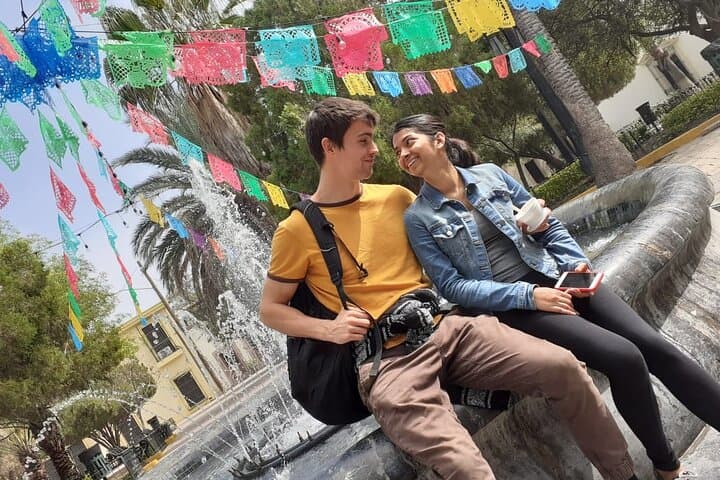
Culturally the route ties the city to its montaña: drivers often point out the Zona Cumbres homes clinging to ridgelines, and the final stop at the Bishop’s Viewpoint frames Monterrey’s urban grid against the Sierra Madre Oriental.
Practically: expect a 2 km walk and roughly 750 concrete steps inside the site—good cardiovascular fitness helps. Wear sturdy shoes with grip, bring a light jacket for the cave’s coolness, and carry water. The full excursion runs about 4–5 hours including round-trip transfer from Monterrey and a guided cave walkthrough. Bookings usually include entrance and cable car; tours can be canceled in bad weather. For photographers, low-light conditions reward steady hands or a tripod. Move deliberately, respect marked routes, and leave no trace—these formations took millennia; treat them accordingly.
moderate.
4–5 hours.
Moderate cardiovascular fitness; able to climb/descend 750 steps and walk 2 km on uneven surfaces
Yes—this tour includes the cable car ride to the top of the mountain as part of the guided visit.
Children can join but infants must sit on an adult's lap; consider the stair count and confined spaces before booking.
No—this tour is not recommended for travelers with spinal, heart conditions, or for pregnant visitors due to uneven steps and exertion.
The interior route covers about 2 kilometers and lasts roughly one hour with stops for explanation and photos.
The caves have been known locally for generations and became a public attraction in the early 20th century as Monterrey expanded toward the mountains.
Tour routes are gated and marked to protect fragile formations; stay on paths and avoid touching speleothems since oils from skin halt growth.
MONTERREY TOUR operates guided outdoor trips and adventures with an emphasis on safety, stewardship, and memorable experiences.
You step out of an air-conditioned van where pine-scrub meets rocky flank, the city dropping away below. A short climb and a quick cable-car ride lift you to a bluff where the cave mouth yawns—cool, humid air that smells faintly mineral and moss. The path inside alternates wide chambers and narrowing passages, the light of your guide’s lamp throwing stalactites and stalagmites into sharp relief while the group moves at a steady, conversational pace.
You step out of an air-conditioned van where pine-scrub meets rocky flank, the city dropping away below. A short climb and a quick cable-car ride lift you to a bluff where the cave mouth yawns—cool, humid air that smells faintly mineral and moss. The path inside alternates wide chambers and narrowing passages, the light of your guide’s lamp throwing stalactites and stalagmites into sharp relief while the group moves at a steady, conversational pace.
These caverns formed over millions of years as acidic groundwater dissolved limestone, leaving chambers carved with flowstone, columns and draperies. Locals have known the caves since at least the 19th century, and modern access—complete with cable car and stairways—dates to early 20th-century tourism initiatives that opened Monterrey’s mountain scenery to residents and visitors.
Culturally the route ties the city to its montaña: drivers often point out the Zona Cumbres homes clinging to ridgelines, and the final stop at the Bishop’s Viewpoint frames Monterrey’s urban grid against the Sierra Madre Oriental.
Practically: expect a 2 km walk and roughly 750 concrete steps inside the site—good cardiovascular fitness helps. Wear sturdy shoes with grip, bring a light jacket for the cave’s coolness, and carry water. The full excursion runs about 4–5 hours including round-trip transfer from Monterrey and a guided cave walkthrough. Bookings usually include entrance and cable car; tours can be canceled in bad weather. For photographers, low-light conditions reward steady hands or a tripod. Move deliberately, respect marked routes, and leave no trace—these formations took millennia; treat them accordingly.