THE ADVENTURE COLLECTIVE® · Independent discovery and booking for outdoor travel

Ride a cable car to 1,100 m and walk a guided 2 km route through the Grutas de García — limestone caves with dramatic stalactites and stalagmites. This short, interpretive tour pairs easy access with striking geology and certified guides.
Ride a cable car to 1,100 m and walk a guided 2 km route through the Grutas de García — limestone caves with dramatic stalactites and stalagmites. This short, interpretive tour pairs easy access with striking geology and certified guides.
You step out of the cable car at 1,100 meters and the valley below shrinks into a patchwork of rooftops and roads; above, the mountain exhales cool, mineral-rich air that seems to slow your heartbeat.
Verified experiences and guided adventures in the surrounding area.
You step out of the cable car at 1,100 meters and the valley below shrinks into a patchwork of rooftops and roads; above, the mountain exhales cool, mineral-rich air that seems to slow your heartbeat.
The Grutas de García offer a compact, focused cave experience: a guided, roughly 2-kilometer route through caverns carved from limestone over millions of years, where stalagmites press up from the floor and stalactites hang like patient chandeliers. Guides explain how shifting water and time shaped chambers and pillars, and point to flowstone curtains that trace ancient waterlines.
Geologically, the formations here are the product of long karst processes; culturally, the caves have been a local curiosity for generations and developed into a public attraction in the 20th century, with the cable car making the ascent quick and scenic. Small interpretive displays near the visitor area contextualize local mining history and regional geology.
Expect uneven stone steps, dimly lit passages, and cool temperatures — layers matter. The route is short but sensory: the cave floor sometimes echoes with drip sounds, and the rock feels alive with slow motion. Photography is possible but bring a fast lens or steady hand; flashes can disturb other visitors and fragile calcite.
Practical notes: tours take about 60–90 minutes including the cable car; certified guides lead groups and enforce no-touch rules to protect formations. Wear sturdy shoes with grip, bring water, and plan for limited shade at the cable car stations. Mornings are typically cooler and less crowded; weekends draw families and larger groups.
moderate.
1–1.5 hours.
Basic fitness—able to walk 2 km on uneven terrain, climb stairs and stand for up to an hour
The guided experience, including the cable car ride and cave walkthrough, typically takes 60–90 minutes.
The standard tour includes the cable car ascent to about 1,100 meters above sea level, which provides the main access to the cave entrance area.
Children can generally join, but the route includes stairs and uneven ground; visitors with limited mobility should check accessibility options in advance and notify guides.
Photography is allowed but flash may be discouraged to protect formations and other visitors; use a steady hand or high-ISO settings for better results.
The Grutas de García developed as a local attraction in the 20th century after earlier naturalists and residents documented the caverns; mining and regional settlement shaped access routes.
Cave formations and subterranean ecosystems are fragile—stay on marked paths, avoid touching formations, and follow guide rules to minimize impact.
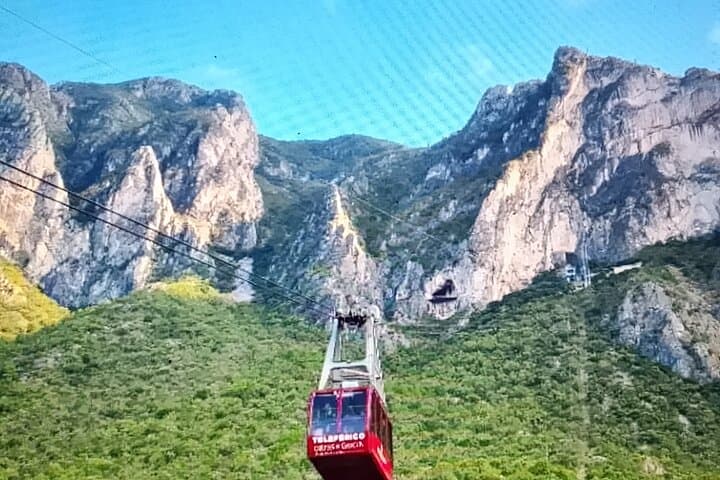
You step out of the cable car at 1,100 meters and the valley below shrinks into a patchwork of rooftops and roads; above, the mountain exhales cool, mineral-rich air that seems to slow your heartbeat.
You step out of the cable car at 1,100 meters and the valley below shrinks into a patchwork of rooftops and roads; above, the mountain exhales cool, mineral-rich air that seems to slow your heartbeat.
The Grutas de García offer a compact, focused cave experience: a guided, roughly 2-kilometer route through caverns carved from limestone over millions of years, where stalagmites press up from the floor and stalactites hang like patient chandeliers. Guides explain how shifting water and time shaped chambers and pillars, and point to flowstone curtains that trace ancient waterlines.
Geologically, the formations here are the product of long karst processes; culturally, the caves have been a local curiosity for generations and developed into a public attraction in the 20th century, with the cable car making the ascent quick and scenic. Small interpretive displays near the visitor area contextualize local mining history and regional geology.
Expect uneven stone steps, dimly lit passages, and cool temperatures — layers matter. The route is short but sensory: the cave floor sometimes echoes with drip sounds, and the rock feels alive with slow motion. Photography is possible but bring a fast lens or steady hand; flashes can disturb other visitors and fragile calcite.
Practical notes: tours take about 60–90 minutes including the cable car; certified guides lead groups and enforce no-touch rules to protect formations. Wear sturdy shoes with grip, bring water, and plan for limited shade at the cable car stations. Mornings are typically cooler and less crowded; weekends draw families and larger groups.