THE ADVENTURE COLLECTIVE® · Independent discovery and booking for outdoor travel

Escape the city for a half-day along Rio’s wild western shore: secluded Grumari, the sheltered coves of Prainha, and family-friendly Pontal. This guided tour and roundtrip transfer make it easy to reach protected beaches framed by Atlantic Forest and granite headlands.
Escape the city for a half-day along Rio’s wild western shore: secluded Grumari, the sheltered coves of Prainha, and family-friendly Pontal. This guided tour and roundtrip transfer make it easy to reach protected beaches framed by Atlantic Forest and granite headlands.
You step out of the minivan and the city’s roar thins to a distant hum; wind and salt take over. A narrow ribbon of road cuts along the edge of Atlantic Forest, and the first view opens to Grumari’s steep headlands and a white curve of sand that feels deliberately secluded. The day moves at a coastal cadence—short walks across warm sand, turquoise sleeves of water, and the slow, predictable arc of surf at Prainha.
Verified experiences and guided adventures in the surrounding area.
Operated by Rio Carioca Tour Ltda · Rio de Janeiro, Rio de Janeiro
You step out of the minivan and the city’s roar thins to a distant hum; wind and salt take over. A narrow ribbon of road cuts along the edge of Atlantic Forest, and the first view opens to Grumari’s steep headlands and a white curve of sand that feels deliberately secluded. The day moves at a coastal cadence—short walks across warm sand, turquoise sleeves of water, and the slow, predictable arc of surf at Prainha.
These beaches sit inside a protected environmental area born to preserve the fragments of Brazil’s Atlantic Forest and the surf culture that grew up where waves and wildlife meet. Grumari’s name comes from indigenous words tied to a tree species you may still spot near the shore; Prainha literally means “little beach” and keeps its small scale by design. Geology here is raw—granite outcrops, steep coves, and sand trapped in sheltered bays that accumulate fine, pale grains.
Expect minimal development: simple quiosques at Pontal offering seafood, shaded patches under forested slopes, and trails that invite short, easy strolls. The guide will handle logistics and transfers; your job is straightforward—respect the protected terrain, time the tides if you plan to swim, and carry water and sun protection. Ideal for travelers who want privacy without a long hike: photograph the cliffs, listen for distant monkey calls, and let the ocean’s rhythm set the pace. Peak season brings more people; mornings and weekdays keep the beaches closest to solitude.
easy.
6 hours.
Suitable for most fitness levels; expect short walks on sand and a few uneven paths.
Roundtrip transfer is included; confirm pickup location and time with the operator at least 24 hours before departure.
Yes—Pontal has calmer waters for families; Prainha and Grumari can have stronger surf and currents—obey guide advice and local signage.
Lunch is not included. There are quiosques near Pontal and Prainha offering seafood and snacks; carry cash for smaller vendors.
The tour is family-friendly with short, easy walks, but sandy and uneven surfaces limit wheelchair access; infants must sit on an adult’s lap during transfer.
Many place names reflect indigenous words and the area was later protected to preserve remaining Atlantic Forest and local surf culture.
These beaches lie in an environmental protection zone—stay on marked paths, pack out trash, and avoid disturbing dune vegetation or wildlife.
Rio Carioca Tour Ltda operates guided outdoor trips and adventures with an emphasis on safety, stewardship, and memorable experiences.
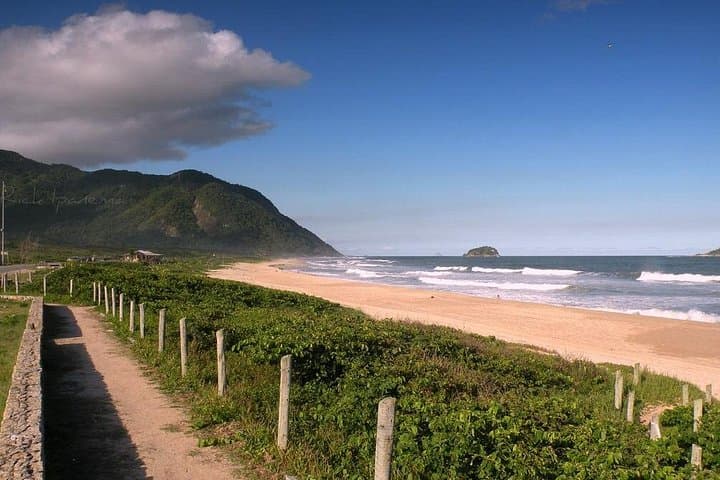
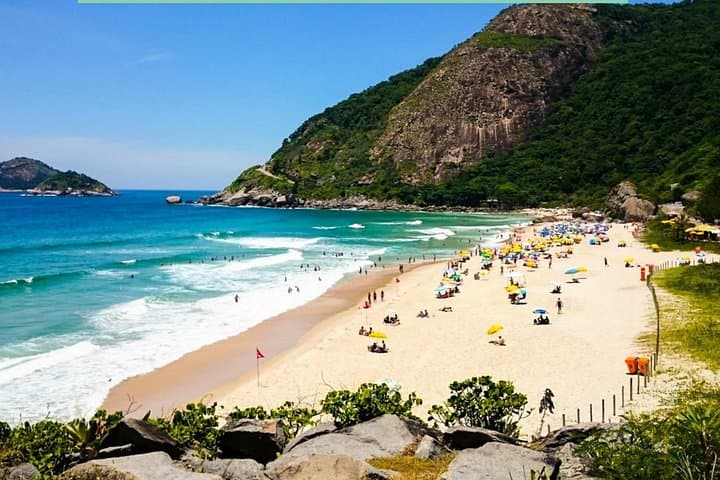
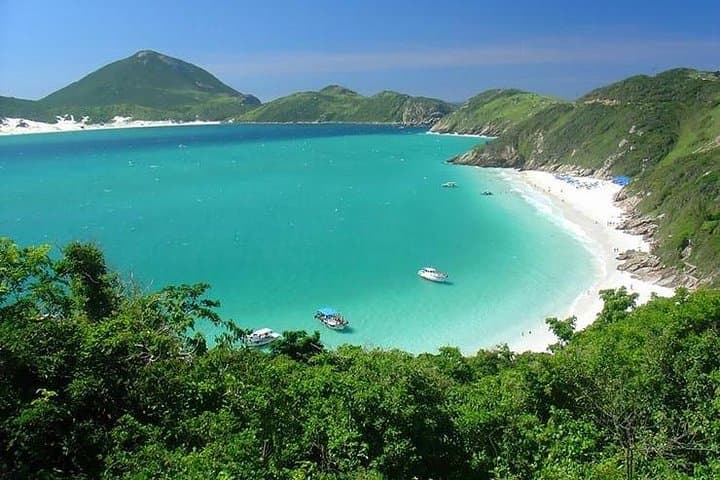
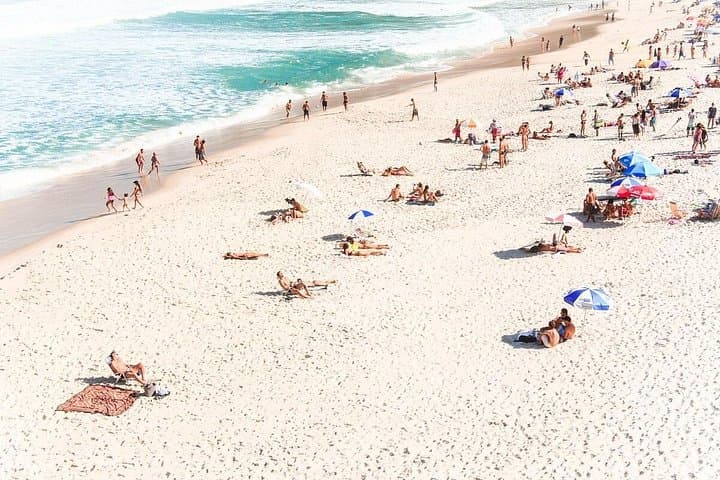
You step out of the minivan and the city’s roar thins to a distant hum; wind and salt take over. A narrow ribbon of road cuts along the edge of Atlantic Forest, and the first view opens to Grumari’s steep headlands and a white curve of sand that feels deliberately secluded. The day moves at a coastal cadence—short walks across warm sand, turquoise sleeves of water, and the slow, predictable arc of surf at Prainha.
You step out of the minivan and the city’s roar thins to a distant hum; wind and salt take over. A narrow ribbon of road cuts along the edge of Atlantic Forest, and the first view opens to Grumari’s steep headlands and a white curve of sand that feels deliberately secluded. The day moves at a coastal cadence—short walks across warm sand, turquoise sleeves of water, and the slow, predictable arc of surf at Prainha.
These beaches sit inside a protected environmental area born to preserve the fragments of Brazil’s Atlantic Forest and the surf culture that grew up where waves and wildlife meet. Grumari’s name comes from indigenous words tied to a tree species you may still spot near the shore; Prainha literally means “little beach” and keeps its small scale by design. Geology here is raw—granite outcrops, steep coves, and sand trapped in sheltered bays that accumulate fine, pale grains.
Expect minimal development: simple quiosques at Pontal offering seafood, shaded patches under forested slopes, and trails that invite short, easy strolls. The guide will handle logistics and transfers; your job is straightforward—respect the protected terrain, time the tides if you plan to swim, and carry water and sun protection. Ideal for travelers who want privacy without a long hike: photograph the cliffs, listen for distant monkey calls, and let the ocean’s rhythm set the pace. Peak season brings more people; mornings and weekdays keep the beaches closest to solitude.