THE ADVENTURE COLLECTIVE® · Independent discovery and booking for outdoor travel

Learn to stand up and ride the Algarve’s forgiving breakers in a two-hour group surf lesson at Praia de Faro. Experienced instructors, all equipment, and local knowledge make this a safe, accessible introduction to Atlantic surfing.
Learn to stand up and ride the Algarve’s forgiving breakers in a two-hour group surf lesson at Praia de Faro. Experienced instructors, all equipment, and local knowledge make this a safe, accessible introduction to Atlantic surfing.
The Atlantic pushes against the sand at Praia de Faro, a long ribbon of beach where foam and wind test your balance before the instructor does. Instructors call commands across the breakers; the group forms a loose line on wet sand, boards angled like silver knives toward the sea. A first paddle out feels like stepping into a moving room — the current nudges, the wave dares you to stand.
Verified experiences and guided adventures in the surrounding area.
Operated by Salty Experiences · Faro, Algarve
The Atlantic pushes against the sand at Praia de Faro, a long ribbon of beach where foam and wind test your balance before the instructor does. Instructors call commands across the breakers; the group forms a loose line on wet sand, boards angled like silver knives toward the sea. A first paddle out feels like stepping into a moving room — the current nudges, the wave dares you to stand.
This stretch of the Algarve is defined by recent marine terraces and Quaternary sands, carved over millennia by tides that also formed the Ria Formosa lagoon system nearby. Faro’s history as a fishing and trading port touches the lesson — local surf culture borrows the patience of boatmen and the cadence of tidal work. Expect Portuguese coastal friendliness: instructors are highly experienced, bilingual, and familiar with local weather patterns.
Practical guidance: lessons last about two hours, and operators supply board, suit, and lycra; bring swimwear, towel, and a refillable water bottle. Beginners will practice on the sand, progress to whitewater, then to small shoulder-high waves under close supervision. Check tide charts — low-to-mid tide often produces the friendliest learning waves at Praia de Faro — and aim for early morning or late afternoon to avoid strongest onshore winds and peak sun. If you have cardiovascular issues or pregnancy, consult your doctor; providers usually require a moderate fitness level and basic swimming comfort.
Safety, timing, and respect for the Ria Formosa’s protected habitats make for a rewarding session: you leave with a few rides, an exhaustion-laced grin, and a clearer sense of the ocean’s mood.
moderate.
2 hours.
Moderate: able to swim and handle repeated paddling and pop-ups; basic cardiovascular fitness recommended
Yes — basic swimming skills and comfort in open water are required; instructors will stay close, but you should be able to float and move independently.
The lesson typically includes surfboard, wetsuit (or lycra), instruction, and basic sports insurance; bring personal items like sunscreen and a towel.
Lessons commonly accept children from about 6 years old through adults; operators assess each participant and set groupings by ability.
Providers often cancel for unsafe swell or strong offshore winds and offer a full refund if canceled at least 24 hours before departure or immediately for bad-weather cancellations.
Faro grew as a Roman and later Moorish maritime hub; its salt pans and fishing tradition shaped local coastal skills that inform contemporary surf culture.
The Ria Formosa is a protected natural park; stick to marked access points, avoid trampling dunes, and dispose of waste to protect nesting birds and seagrass beds.
Salty Experiences operates guided outdoor trips and adventures with an emphasis on safety, stewardship, and memorable experiences.
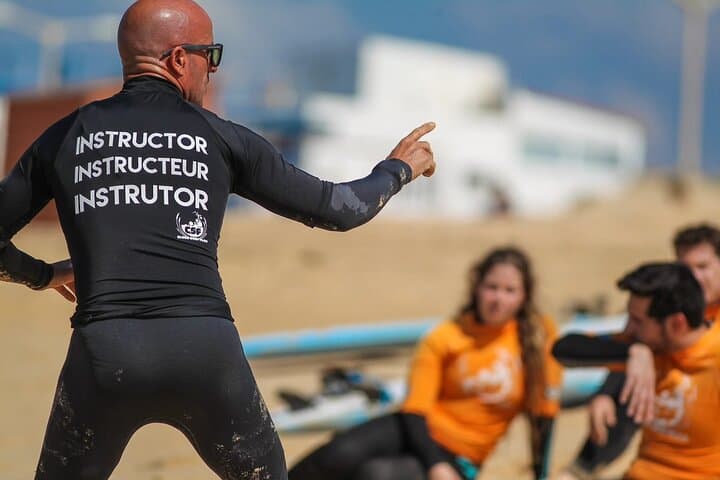
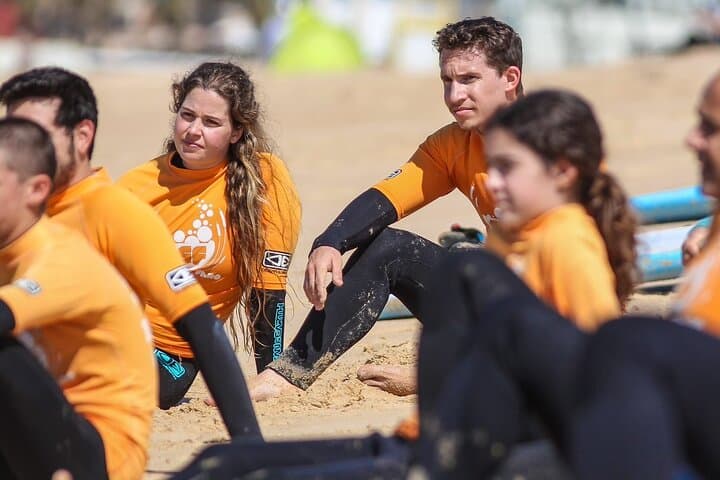
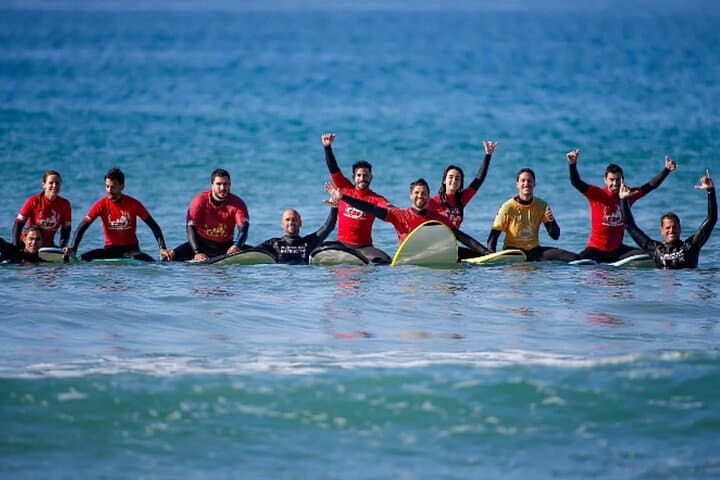
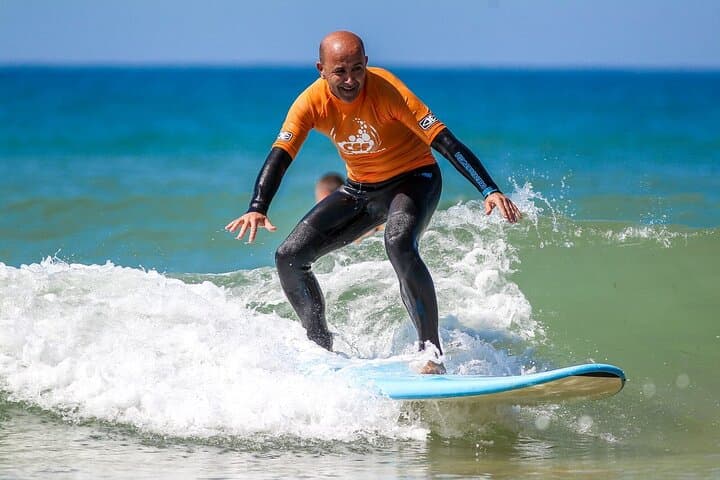
The Atlantic pushes against the sand at Praia de Faro, a long ribbon of beach where foam and wind test your balance before the instructor does. Instructors call commands across the breakers; the group forms a loose line on wet sand, boards angled like silver knives toward the sea. A first paddle out feels like stepping into a moving room — the current nudges, the wave dares you to stand.
The Atlantic pushes against the sand at Praia de Faro, a long ribbon of beach where foam and wind test your balance before the instructor does. Instructors call commands across the breakers; the group forms a loose line on wet sand, boards angled like silver knives toward the sea. A first paddle out feels like stepping into a moving room — the current nudges, the wave dares you to stand.
This stretch of the Algarve is defined by recent marine terraces and Quaternary sands, carved over millennia by tides that also formed the Ria Formosa lagoon system nearby. Faro’s history as a fishing and trading port touches the lesson — local surf culture borrows the patience of boatmen and the cadence of tidal work. Expect Portuguese coastal friendliness: instructors are highly experienced, bilingual, and familiar with local weather patterns.
Practical guidance: lessons last about two hours, and operators supply board, suit, and lycra; bring swimwear, towel, and a refillable water bottle. Beginners will practice on the sand, progress to whitewater, then to small shoulder-high waves under close supervision. Check tide charts — low-to-mid tide often produces the friendliest learning waves at Praia de Faro — and aim for early morning or late afternoon to avoid strongest onshore winds and peak sun. If you have cardiovascular issues or pregnancy, consult your doctor; providers usually require a moderate fitness level and basic swimming comfort.
Safety, timing, and respect for the Ria Formosa’s protected habitats make for a rewarding session: you leave with a few rides, an exhaustion-laced grin, and a clearer sense of the ocean’s mood.