THE ADVENTURE COLLECTIVE® · Independent discovery and booking for outdoor travel

Take a guided, community-centered walk through Rocinha, Brazil’s largest favela. This local-led tour mixes steep alleyways, rooftop viewpoints, and visits to small businesses for a grounded perspective on daily life in Rio.
Take a guided, community-centered walk through Rocinha, Brazil’s largest favela. This local-led tour mixes steep alleyways, rooftop viewpoints, and visits to small businesses for a grounded perspective on daily life in Rio.
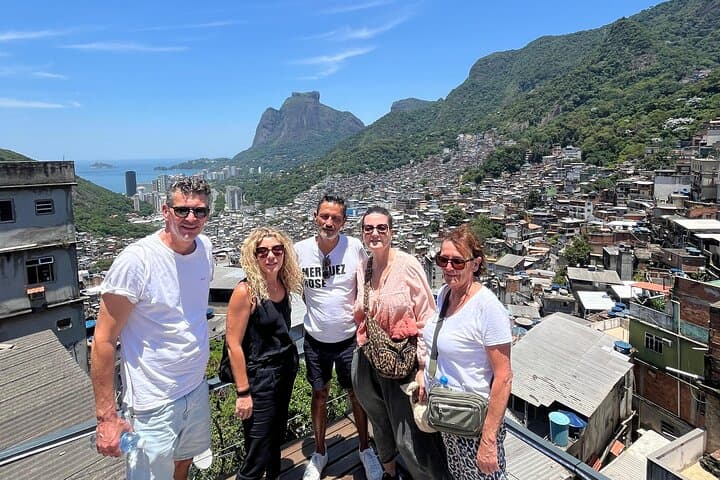
You step off a mototáxi onto a ribbon of concrete steps and the city shifts—roofs and alleyways stacking into a hillside, the ocean and Sugarloaf visible beyond. The guide points out a mural, a street vendor frying salgadinhos, and a rooftop with a view that frames Rio like a living map.
Verified experiences and guided adventures in the surrounding area.
Operated by Favela United Tour · Rio de Janeiro, Rio de Janeiro
You step off a mototáxi onto a ribbon of concrete steps and the city shifts—roofs and alleyways stacking into a hillside, the ocean and Sugarloaf visible beyond. The guide points out a mural, a street vendor frying salgadinhos, and a rooftop with a view that frames Rio like a living map.
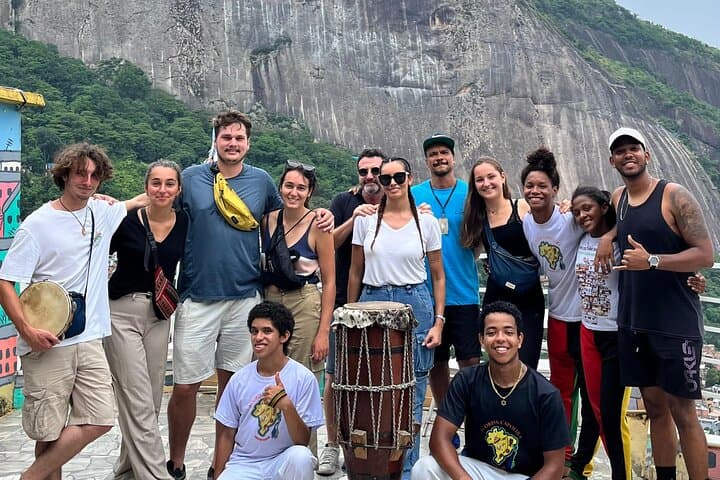
Rocinha grew rapidly during the mid-20th-century rural-to-urban migration and evolved into Brazil’s largest favela. Built on steep granite slopes, its lanes and stairways follow the topography; houses and businesses press close, creating intimate public life on narrow streets. Local culture is vivid: samba rhythms, community art studios, barbershops that double as social hubs, and small cooperatives selling crafts.
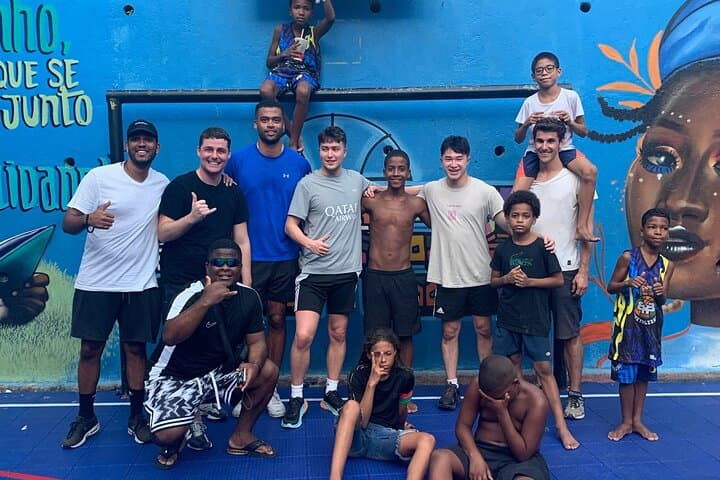
This experience is less about sightseeing and more about context—learning real daily routines, seeing small businesses, and hearing residents’ stories about both challenges and community initiatives. Expect short, steep stair sections, uneven pavement, and crowded alleys; panoramic viewpoints reward the effort with wide city scenes seldom seen from tourist ferries.
Practical guidance: wear sturdy, closed-toe shoes for stairs and slick surfaces, bring a small daypack with water, and carry some cash for purchases in family-run shops. Follow your local guide’s lead—they navigate safe routes and cultural etiquette. Photography is often allowed but ask before shooting portraits. Tours run best in daylight hours; mornings and late afternoons give cooler temperatures and softer light. This walk offers a grounded, human view of Rio that broadens understanding rather than confirming preconceptions.
easy.
3 hours.
Generally suitable for most fitness levels; must be able to manage stairs and short uphill sections.
Tours are guided by local hosts who use established routes; follow their instructions and avoid wandering off alone.
Yes, but always ask before photographing people—guides will advise on polite etiquette.
No; the terrain includes many stairs and narrow alleys and is not suitable for wheelchairs.
Many tours are offered in Portuguese and English depending on guide availability—check booking details.
Rocinha expanded rapidly during mid-20th-century migration into Rio, evolving from informal settlements into a densely populated community with its own economy and cultural institutions.
Community-based tourism supports local businesses and social projects; visitors should minimize waste, respect private spaces, and prioritize purchases from local vendors.
Favela United Tour operates guided outdoor trips and adventures with an emphasis on safety, stewardship, and memorable experiences.

You step off a mototáxi onto a ribbon of concrete steps and the city shifts—roofs and alleyways stacking into a hillside, the ocean and Sugarloaf visible beyond. The guide points out a mural, a street vendor frying salgadinhos, and a rooftop with a view that frames Rio like a living map.
You step off a mototáxi onto a ribbon of concrete steps and the city shifts—roofs and alleyways stacking into a hillside, the ocean and Sugarloaf visible beyond. The guide points out a mural, a street vendor frying salgadinhos, and a rooftop with a view that frames Rio like a living map.
Rocinha grew rapidly during the mid-20th-century rural-to-urban migration and evolved into Brazil’s largest favela. Built on steep granite slopes, its lanes and stairways follow the topography; houses and businesses press close, creating intimate public life on narrow streets. Local culture is vivid: samba rhythms, community art studios, barbershops that double as social hubs, and small cooperatives selling crafts.
This experience is less about sightseeing and more about context—learning real daily routines, seeing small businesses, and hearing residents’ stories about both challenges and community initiatives. Expect short, steep stair sections, uneven pavement, and crowded alleys; panoramic viewpoints reward the effort with wide city scenes seldom seen from tourist ferries.
Practical guidance: wear sturdy, closed-toe shoes for stairs and slick surfaces, bring a small daypack with water, and carry some cash for purchases in family-run shops. Follow your local guide’s lead—they navigate safe routes and cultural etiquette. Photography is often allowed but ask before shooting portraits. Tours run best in daylight hours; mornings and late afternoons give cooler temperatures and softer light. This walk offers a grounded, human view of Rio that broadens understanding rather than confirming preconceptions.