THE ADVENTURE COLLECTIVE® · Independent discovery and booking for outdoor travel

Walk the paths of Ground Zero with a guide who uses large historical photos to link personal stories, rescue operations, and the new World Trade Center’s design. This accessible 2–5 hour tour offers optional museum and observatory upgrades and donates a portion of proceeds to the FDNY Foundation.
Walk the paths of Ground Zero with a guide who uses large historical photos to link personal stories, rescue operations, and the new World Trade Center’s design. This accessible 2–5 hour tour offers optional museum and observatory upgrades and donates a portion of proceeds to the FDNY Foundation.
You meet at the Starbucks on Dey Street, the hum of Fulton Street behind you and the Oculus’s glass ribs catching afternoon light. The group moves through plazas and avenues, guides unfurling large 11" x 17" photographs that reframe familiar concrete into moments of human response and engineering rebirth.
Verified experiences and guided adventures in the surrounding area.
Operated by New York Tours · New York, New York
You meet at the Starbucks on Dey Street, the hum of Fulton Street behind you and the Oculus’s glass ribs catching afternoon light. The group moves through plazas and avenues, guides unfurling large 11" x 17" photographs that reframe familiar concrete into moments of human response and engineering rebirth.
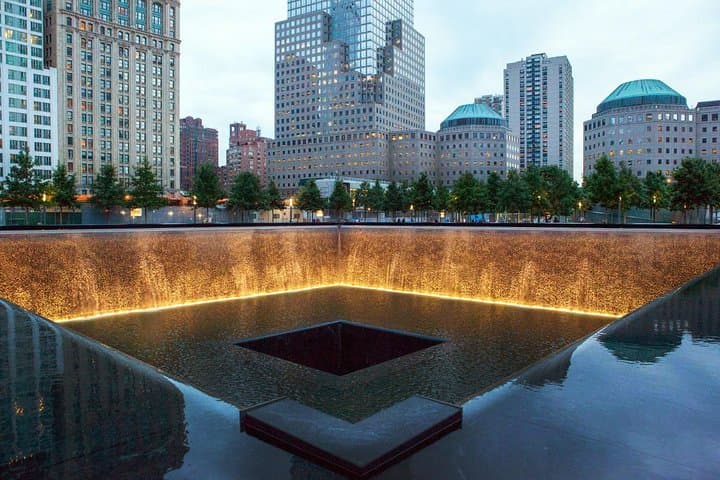
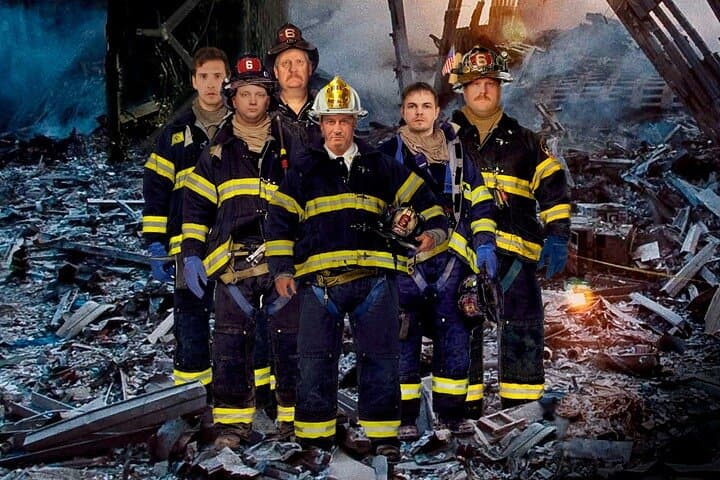
The walk threads modern architecture, recovery stories, and an urban geology that begins with Manhattan’s resilient schist underfoot. Guides trace the FDNY’s actions, Stairwell B survivors, and Operation Aegis—the largest evacuation by sea in U.S. history—placing personal artifacts and timelines against the polished geometry of the Reflecting Pools and One World Trade Center.
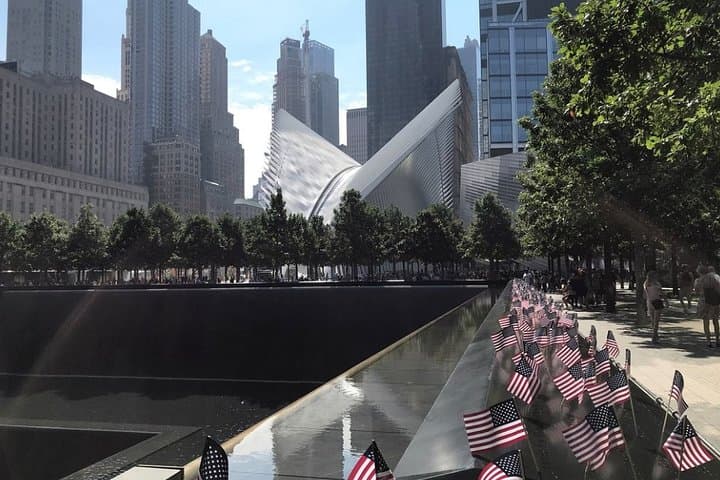
Along the route you’ll pass the reconstructed Winter Garden pavilion and the quieter Eleven Tears Memorial, then pause at the Survivor Tree, an emblem of regrowth that survived the devastation. The narrative shifts from loss to design: how engineers and architects reimagined a transit hub, memorial plaza, and a skyline anchor.
Practical guidance is front and center—this is a mostly flat, urban walking tour lasting 2–5 hours depending on upgrades. Wear comfortable shoes, expect security screening if you add Museum or Observatory access, and plan for crowds at peak times. The tour accommodates wheelchairs and strollers, but allow extra time for ticketed entries. Bring a refillable water bottle, layer for wind off the Hudson, and keep phone batteries charged for photos and maps.
Whether you choose the museum or the One World Observatory add-on, this tour combines close-up human stories with clear context on reconstruction, making the complex place legible and immediate.
easy.
2–5 hours.
Suitable for most fitness levels—able to stand and walk up to 2–3 hours with short pauses; wheelchair accessible
Upgrades are optional; purchasing the 9/11 Museum or One World Observatory access in advance speeds entry but you will still pass through security.
Yes—meeting point, plazas, and most tour routes are wheelchair accessible; notify the operator of any special requirements when booking.
Groups are small, capped at 25 adults to keep narration focused and manageable in public spaces.
Children are welcome but must be accompanied by an adult; some material covers difficult historical events and may not be suitable for very young children.
The site marks the footprint of the Twin Towers and includes artifacts and memorials that document the events of September 11, 2001 and subsequent recovery efforts.
The 9/11 Memorial’s design emphasizes sustainable materials and water recycling in the reflecting pools; visitors are asked to respect memorial spaces and avoid leaving trash.
New York Tours operates guided outdoor trips and adventures with an emphasis on safety, stewardship, and memorable experiences.
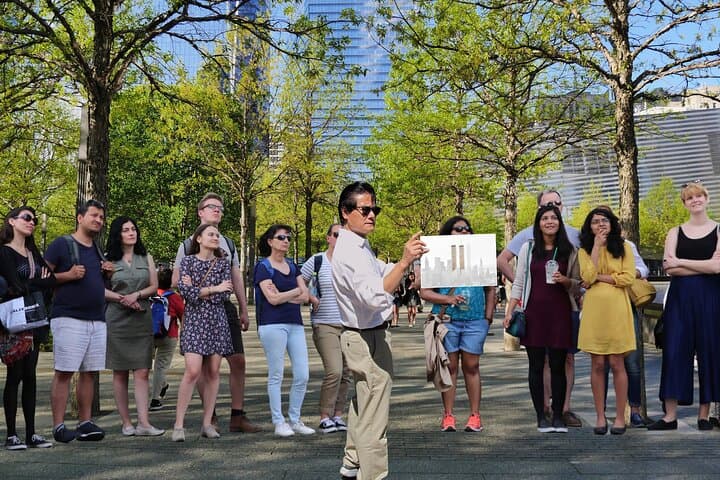
You meet at the Starbucks on Dey Street, the hum of Fulton Street behind you and the Oculus’s glass ribs catching afternoon light. The group moves through plazas and avenues, guides unfurling large 11" x 17" photographs that reframe familiar concrete into moments of human response and engineering rebirth.
You meet at the Starbucks on Dey Street, the hum of Fulton Street behind you and the Oculus’s glass ribs catching afternoon light. The group moves through plazas and avenues, guides unfurling large 11" x 17" photographs that reframe familiar concrete into moments of human response and engineering rebirth.
The walk threads modern architecture, recovery stories, and an urban geology that begins with Manhattan’s resilient schist underfoot. Guides trace the FDNY’s actions, Stairwell B survivors, and Operation Aegis—the largest evacuation by sea in U.S. history—placing personal artifacts and timelines against the polished geometry of the Reflecting Pools and One World Trade Center.
Along the route you’ll pass the reconstructed Winter Garden pavilion and the quieter Eleven Tears Memorial, then pause at the Survivor Tree, an emblem of regrowth that survived the devastation. The narrative shifts from loss to design: how engineers and architects reimagined a transit hub, memorial plaza, and a skyline anchor.
Practical guidance is front and center—this is a mostly flat, urban walking tour lasting 2–5 hours depending on upgrades. Wear comfortable shoes, expect security screening if you add Museum or Observatory access, and plan for crowds at peak times. The tour accommodates wheelchairs and strollers, but allow extra time for ticketed entries. Bring a refillable water bottle, layer for wind off the Hudson, and keep phone batteries charged for photos and maps.
Whether you choose the museum or the One World Observatory add-on, this tour combines close-up human stories with clear context on reconstruction, making the complex place legible and immediate.