THE ADVENTURE COLLECTIVE® · Independent discovery and booking for outdoor travel

Walk the World Trade Center footprint with a guide who lived the events of 9/11. Learn the history behind the memorial pools, St. Paul’s Chapel and the optional museum exhibits, and get practical tips for planning your visit.
Walk the World Trade Center footprint with a guide who lived the events of 9/11. Learn the history behind the memorial pools, St. Paul’s Chapel and the optional museum exhibits, and get practical tips for planning your visit.
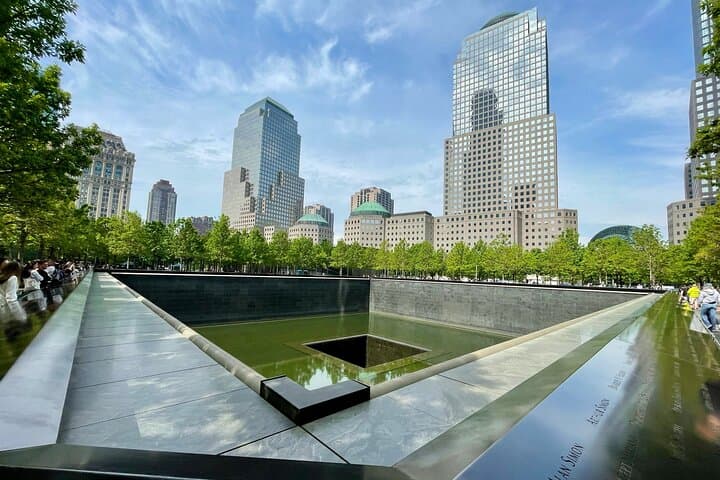
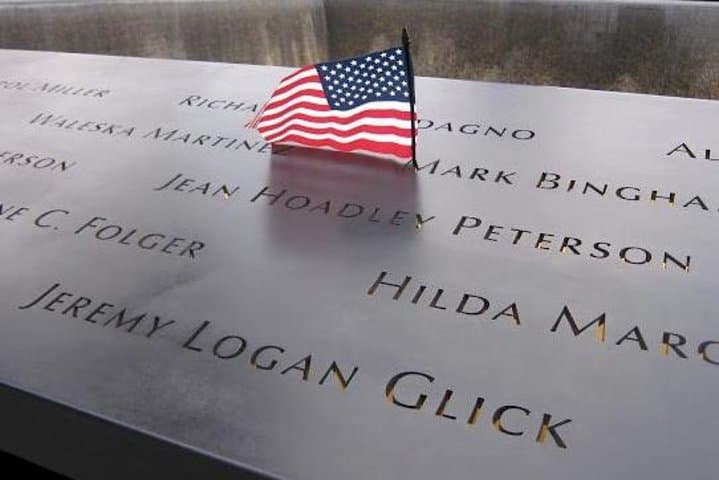
You enter the plaza from the cool echo of the Oculus, sunlight sliding across steel ribs. The twin voids of the memorial pools draw your gaze—water falling into silence, rims engraved with names that insist on being read. A guide with a personal connection to the events of September 11 walks beside you, pointing out architectural choices and small details that turn stones and steel into stories.
Verified experiences and guided adventures in the surrounding area.
Operated by ExperienceFirst · New York, New York
You enter the plaza from the cool echo of the Oculus, sunlight sliding across steel ribs. The twin voids of the memorial pools draw your gaze—water falling into silence, rims engraved with names that insist on being read. A guide with a personal connection to the events of September 11 walks beside you, pointing out architectural choices and small details that turn stones and steel into stories.
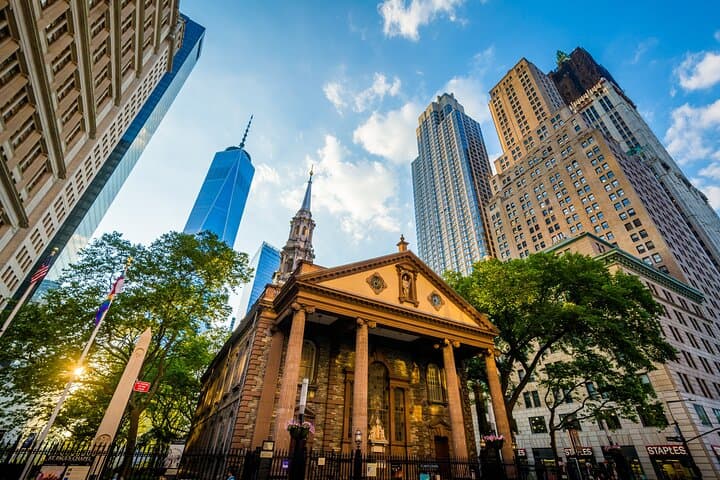
This site occupies the footprint of the original World Trade Center towers; the Memorial’s twin reflecting pools sit within bronze parapets and are fed by channels that create the largest man-made waterfalls in North America. Nearby, St. Paul’s Chapel—one of the oldest surviving structures in Lower Manhattan—served as a refuge for recovery workers. The Oculus, designed by Santiago Calatrava, marks a modern chapter of renewal and transit for the area.
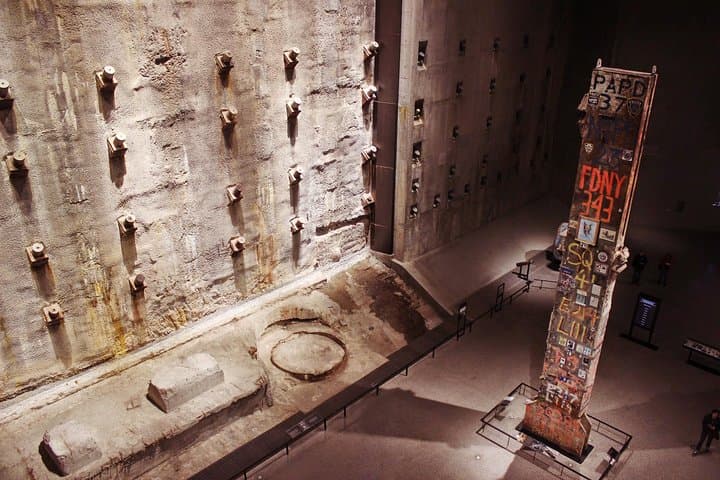
Expect a mix of outdoor and indoor experiences: a guided walk across the memorial plaza, stops at interpretive points like the Survivor Tree, and an optional entry to the 9/11 Museum where artifacts, oral histories, and media exhibits are housed behind museum-grade security. Practicalities matter here—there’s an airport-style screening for museum entry; large bags aren’t allowed; timed tickets are enforced for upgraded entries. Wear comfortable shoes for paved walkways and bring layers against wind off the Hudson. Allow two to four hours if you add the museum; modest pacing and respect for the site are part of the visit. The tour balances remembrance with clear context — giving visitors factual, human, and architectural insight into a place that reshaped a city and the world.
easy.
2–4 hours.
Suitable for most fitness levels; requires moderate walking and standing on paved surfaces.
No — museum entry is an optional upgrade; choose a skip-the-line timed ticket for self-guided entry or a VIP guided museum tour at booking.
Yes — museum entry requires airport-style screening and restrictions on large bags; arrive early to clear security within your timed window.
Yes — the memorial plaza and museum provide wheelchair access; notify the operator of mobility needs when booking for assistance.
Photography is allowed in most museum areas but some exhibits and artifacts may be restricted; always follow posted rules and staff guidance.
The memorial occupies the footprints of the original Twin Towers and commemorates the nearly 3,000 people who died on September 11, 2001; the Survivor Tree is a symbol of resilience, replanted after being rescued from the rubble.
The memorial and museum follow strict conservation and curatorial standards for artifacts; visitors are asked to respect the site’s solemnity and avoid disturbing plantings and memorial inscriptions.
ExperienceFirst operates guided outdoor trips and adventures with an emphasis on safety, stewardship, and memorable experiences.
You enter the plaza from the cool echo of the Oculus, sunlight sliding across steel ribs. The twin voids of the memorial pools draw your gaze—water falling into silence, rims engraved with names that insist on being read. A guide with a personal connection to the events of September 11 walks beside you, pointing out architectural choices and small details that turn stones and steel into stories.
You enter the plaza from the cool echo of the Oculus, sunlight sliding across steel ribs. The twin voids of the memorial pools draw your gaze—water falling into silence, rims engraved with names that insist on being read. A guide with a personal connection to the events of September 11 walks beside you, pointing out architectural choices and small details that turn stones and steel into stories.
This site occupies the footprint of the original World Trade Center towers; the Memorial’s twin reflecting pools sit within bronze parapets and are fed by channels that create the largest man-made waterfalls in North America. Nearby, St. Paul’s Chapel—one of the oldest surviving structures in Lower Manhattan—served as a refuge for recovery workers. The Oculus, designed by Santiago Calatrava, marks a modern chapter of renewal and transit for the area.
Expect a mix of outdoor and indoor experiences: a guided walk across the memorial plaza, stops at interpretive points like the Survivor Tree, and an optional entry to the 9/11 Museum where artifacts, oral histories, and media exhibits are housed behind museum-grade security. Practicalities matter here—there’s an airport-style screening for museum entry; large bags aren’t allowed; timed tickets are enforced for upgraded entries. Wear comfortable shoes for paved walkways and bring layers against wind off the Hudson. Allow two to four hours if you add the museum; modest pacing and respect for the site are part of the visit. The tour balances remembrance with clear context — giving visitors factual, human, and architectural insight into a place that reshaped a city and the world.