THE ADVENTURE COLLECTIVE® · Independent discovery and booking for outdoor travel

Step into a compact, carefully curated gallery that brings the recovery period after 9/11 into tangible focus. The Ground Zero Museum Workshop pairs rare artifacts with audio stories for a sensitive, hands-on ninety-minute tour.
Step into a compact, carefully curated gallery that brings the recovery period after 9/11 into tangible focus. The Ground Zero Museum Workshop pairs rare artifacts with audio stories for a sensitive, hands-on ninety-minute tour.
The tour begins in a narrow second-floor gallery on West 14th Street, where light from the Meatpacking District windows slips across photo prints and fragments of steel. Inside, images and objects take on a physical weight — a frozen clock, a singed Bible page, shards of World Trade Center glass you can lift and examine with gloved hands.
Verified experiences and guided adventures in the surrounding area.
Operated by 9/11 Museum Workshop: 100 Images & Artifacts Exhibit · New York, NY
The tour begins in a narrow second-floor gallery on West 14th Street, where light from the Meatpacking District windows slips across photo prints and fragments of steel. Inside, images and objects take on a physical weight — a frozen clock, a singed Bible page, shards of World Trade Center glass you can lift and examine with gloved hands.
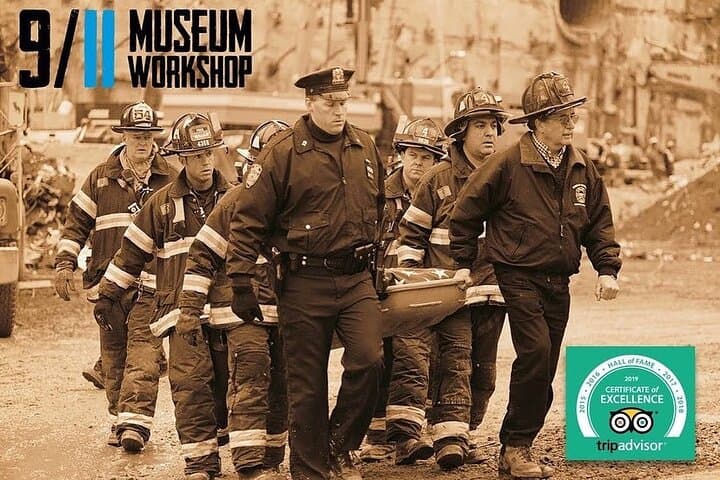
Founded in 2005, the Ground Zero Museum Workshop documents the nine-month recovery period after September 11, 2001. The exhibit centers on photographer Gary Marlon Suson’s authorized images and the FDNY’s role during recovery, pairing intimate audio stories with artifacts that aren’t part of the larger 9/11 Memorial & Museum. The setting — a converted industrial strip between the High Line and Chelsea Market — echoes Manhattan’s working-port past and the grit of an urban rescue operation carved into bedrock and dredged land.
Visitors will feel the city’s scale shrink: the gallery’s compact layout concentrates sound and detail, making personal stories audible under a hush. The experience is deliberately non-graphic and family-friendly, designed to teach through objects and testimony rather than shock.
Practical notes: tours run about 90 minutes, include BOSE audio in multiple languages, and limit groups to keep the atmosphere controlled. No videotaping; backpacks are stored at the front. The museum is wheelchair-accessible and a short subway ride from the World Trade Center.
Plan for a thoughtful visit — arrive by transit, allow extra time to absorb the audio stories, and expect a guided, hands-on look at artifacts that connect visitors directly to the recovery effort and the people who carried it out.
easy.
90 minutes.
Suitable for all fitness levels; includes standing and short walks within the gallery
Yes—under staff supervision guests are allowed to pick up select artifacts like WTC steel and glass while wearing gloves; handlers will instruct you.
No. The Ground Zero Museum Workshop is an independent, smaller exhibit focused on recovery-period artifacts and photography; it does not include admission to the 9/11 Memorial & Museum.
Yes. The display is non-graphic and the BOSE audio guides are designed to engage younger visitors with age-appropriate stories.
Yes. The museum is wheelchair-accessible and provides seating and accessible routes; contact staff ahead of time for specific needs.
The museum centers on the nine-month recovery effort after 9/11 and showcases authorized photography and FDNY-related artifacts documenting that period.
The museum emphasizes artifact preservation and controlled handling; visitors are asked to follow staff instructions to protect fragile items and support responsible public memory.
9/11 Museum Workshop: 100 Images & Artifacts Exhibit operates guided outdoor trips and adventures with an emphasis on safety, stewardship, and memorable experiences.
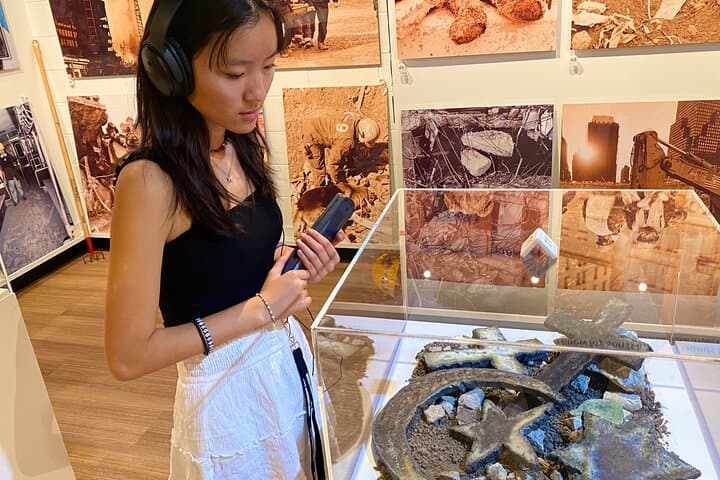
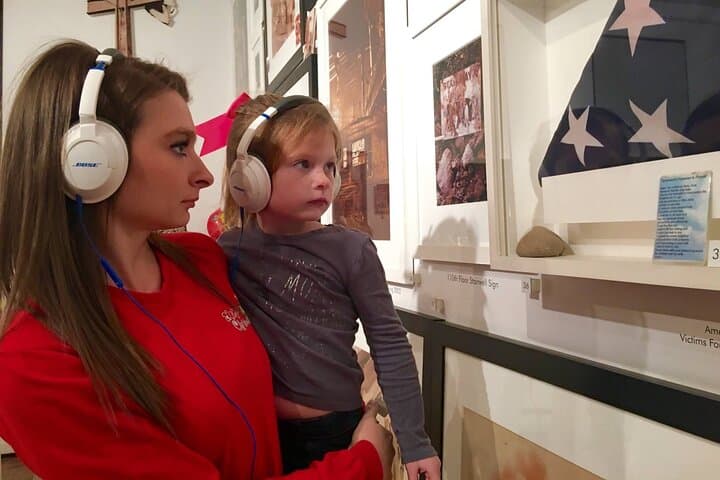
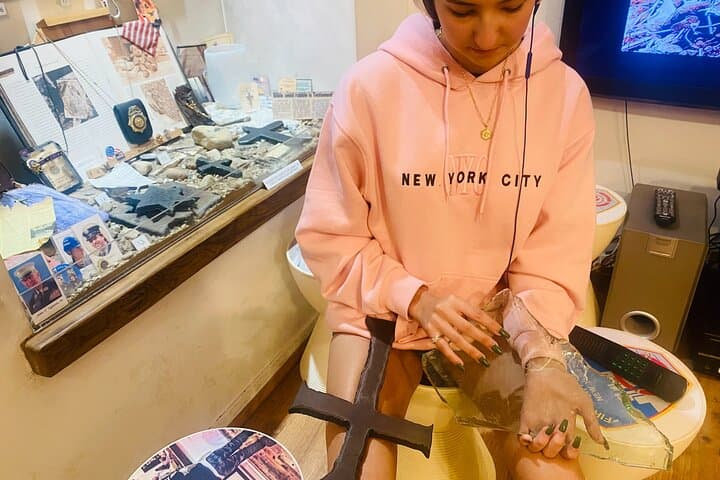
The tour begins in a narrow second-floor gallery on West 14th Street, where light from the Meatpacking District windows slips across photo prints and fragments of steel. Inside, images and objects take on a physical weight — a frozen clock, a singed Bible page, shards of World Trade Center glass you can lift and examine with gloved hands.
The tour begins in a narrow second-floor gallery on West 14th Street, where light from the Meatpacking District windows slips across photo prints and fragments of steel. Inside, images and objects take on a physical weight — a frozen clock, a singed Bible page, shards of World Trade Center glass you can lift and examine with gloved hands.
Founded in 2005, the Ground Zero Museum Workshop documents the nine-month recovery period after September 11, 2001. The exhibit centers on photographer Gary Marlon Suson’s authorized images and the FDNY’s role during recovery, pairing intimate audio stories with artifacts that aren’t part of the larger 9/11 Memorial & Museum. The setting — a converted industrial strip between the High Line and Chelsea Market — echoes Manhattan’s working-port past and the grit of an urban rescue operation carved into bedrock and dredged land.
Visitors will feel the city’s scale shrink: the gallery’s compact layout concentrates sound and detail, making personal stories audible under a hush. The experience is deliberately non-graphic and family-friendly, designed to teach through objects and testimony rather than shock.
Practical notes: tours run about 90 minutes, include BOSE audio in multiple languages, and limit groups to keep the atmosphere controlled. No videotaping; backpacks are stored at the front. The museum is wheelchair-accessible and a short subway ride from the World Trade Center.
Plan for a thoughtful visit — arrive by transit, allow extra time to absorb the audio stories, and expect a guided, hands-on look at artifacts that connect visitors directly to the recovery effort and the people who carried it out.