THE ADVENTURE COLLECTIVE® · Independent discovery and booking for outdoor travel

Walk through the Financial District with a local guide to the 9/11 Memorial, St. Paul’s Chapel, and hidden memorials many visitors miss. This two-hour guided tour combines first-hand accounts, architecture, and calm reflection at Ground Zero.
Walk through the Financial District with a local guide to the 9/11 Memorial, St. Paul’s Chapel, and hidden memorials many visitors miss. This two-hour guided tour combines first-hand accounts, architecture, and calm reflection at Ground Zero.
You step out of the subway into Lower Manhattan and the city’s rhythm narrows: the air takes on the weight of history, and brick and glass frame a walk that asks you to slow down. The tour starts at St. Paul’s Chapel, where battered shoes and handwritten notes once collected outside the doors, and moves through narrow streets to the twin Memorial Pools—two dark voids edged in bronze that hold names instead of water.
Verified experiences and guided adventures in the surrounding area.
Operated by UTG Experience · New York, NY
You step out of the subway into Lower Manhattan and the city’s rhythm narrows: the air takes on the weight of history, and brick and glass frame a walk that asks you to slow down. The tour starts at St. Paul’s Chapel, where battered shoes and handwritten notes once collected outside the doors, and moves through narrow streets to the twin Memorial Pools—two dark voids edged in bronze that hold names instead of water.
This route traces the Financial District’s evolution, from 18th‑century trading houses to the steel and glass of the new World Trade Center. Geologically, you’re on the bedrock of Manhattan—solid schist exposed in pockets beneath the urban grid—ground that made skyscrapers possible and shaped the city’s footprint. Culturally, the site stitches together accounts of first responders, survivors, and the families who shaped the memorial’s design language of reflection and absence.
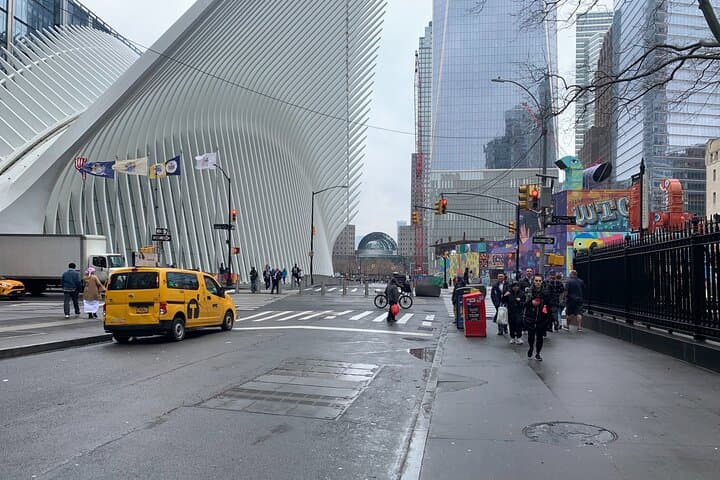
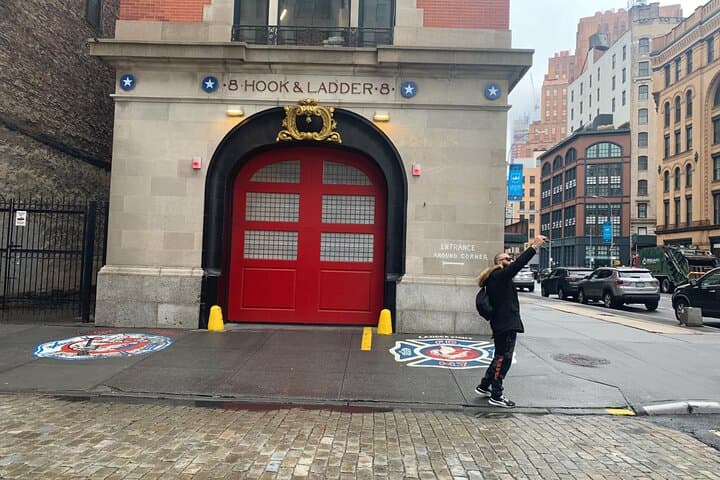
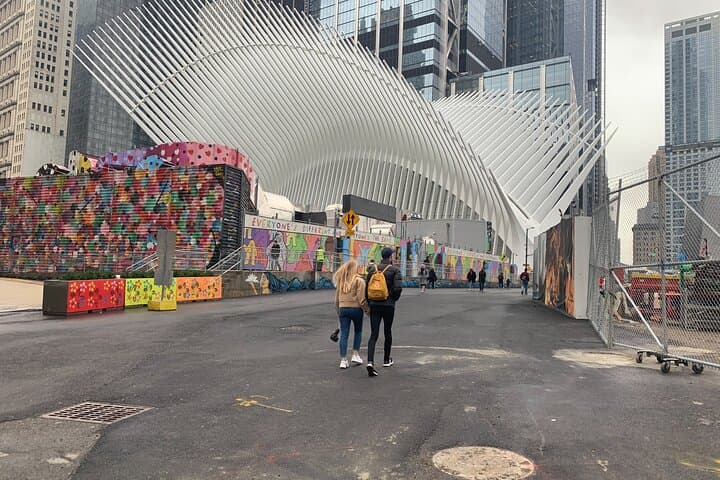
Practical guidance is direct: expect flat, paved walking with short blocks between stops, roughly two hours at a gentle pace. The guide will point out the Eleven Tears memorial, the Firefighter’s Memorial, Trinity Church, and how the Oculus frames reconstruction. Photography is allowed at public points; the museum is not included but nearby.
Plan for variable weather, comfortable shoes, and a charged phone—this is a civic pilgrimage as much as a walking tour. Quiet respect at memorial spaces is required: keep voices low, follow signage, and allow room for others to read and remember. The experience is less about sightseeing and more about listening—to architecture, to testimony, and to the way a city remembers itself.
easy.
2 hours.
Suitable for all fitness levels; mostly flat urban walking with frequent stops
No. The tour visits the Memorial Pools and surrounding sites; access to the Museum requires a separate ticket.
Meet at St. Paul’s Chapel (209 Broadway); the tour finishes at the 9/11 Memorial near the Memorial Pools and Oculus.
Most of the route is on paved, level surfaces and is suitable for wheelchairs and strollers, but individual sites may have security queues—notify the operator of accessibility needs when booking.
Yes—personal bags are allowed and photography is permitted in public areas, but be respectful around the memorial and follow any posted restrictions.
The World Trade Center site has been reshaped repeatedly—from maritime trade in the 18th century to the 20th‑century Twin Towers and the post‑2001 reconstruction that emphasized openness and remembrance.
Visitors are asked to maintain silence, not touch name panels, and dispose of waste in city bins; the memorial operates with strict rules to protect materials and visitor experience.
UTG Experience operates guided outdoor trips and adventures with an emphasis on safety, stewardship, and memorable experiences.
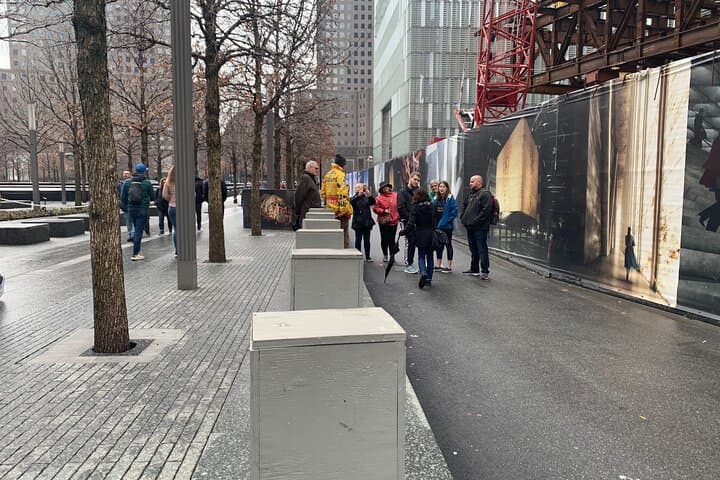
You step out of the subway into Lower Manhattan and the city’s rhythm narrows: the air takes on the weight of history, and brick and glass frame a walk that asks you to slow down. The tour starts at St. Paul’s Chapel, where battered shoes and handwritten notes once collected outside the doors, and moves through narrow streets to the twin Memorial Pools—two dark voids edged in bronze that hold names instead of water.
You step out of the subway into Lower Manhattan and the city’s rhythm narrows: the air takes on the weight of history, and brick and glass frame a walk that asks you to slow down. The tour starts at St. Paul’s Chapel, where battered shoes and handwritten notes once collected outside the doors, and moves through narrow streets to the twin Memorial Pools—two dark voids edged in bronze that hold names instead of water.
This route traces the Financial District’s evolution, from 18th‑century trading houses to the steel and glass of the new World Trade Center. Geologically, you’re on the bedrock of Manhattan—solid schist exposed in pockets beneath the urban grid—ground that made skyscrapers possible and shaped the city’s footprint. Culturally, the site stitches together accounts of first responders, survivors, and the families who shaped the memorial’s design language of reflection and absence.
Practical guidance is direct: expect flat, paved walking with short blocks between stops, roughly two hours at a gentle pace. The guide will point out the Eleven Tears memorial, the Firefighter’s Memorial, Trinity Church, and how the Oculus frames reconstruction. Photography is allowed at public points; the museum is not included but nearby.
Plan for variable weather, comfortable shoes, and a charged phone—this is a civic pilgrimage as much as a walking tour. Quiet respect at memorial spaces is required: keep voices low, follow signage, and allow room for others to read and remember. The experience is less about sightseeing and more about listening—to architecture, to testimony, and to the way a city remembers itself.