THE ADVENTURE COLLECTIVE® · Independent discovery and booking for outdoor travel

Walk the layered landscape of Ground Zero with a guide who brings personal testimony and context. This all-access experience pairs the reflective Memorial and powerful Museum with panoramic city views from One World Observatory.
Walk the layered landscape of Ground Zero with a guide who brings personal testimony and context. This all-access experience pairs the reflective Memorial and powerful Museum with panoramic city views from One World Observatory.
You meet inside the Oculus, where sunlight slices between ribs of steel and glass and the city's pulse hums below. A guide in an orange hat gathers the group and leads you toward a low plaza where two square voids hold the names of the lost. The plaza's waterfalls demand attention; they pull the usual city noise into a hush.
Verified experiences and guided adventures in the surrounding area.
Operated by ExperienceFirst · New York, NY
You meet inside the Oculus, where sunlight slices between ribs of steel and glass and the city's pulse hums below. A guide in an orange hat gathers the group and leads you toward a low plaza where two square voids hold the names of the lost. The plaza's waterfalls demand attention; they pull the usual city noise into a hush.
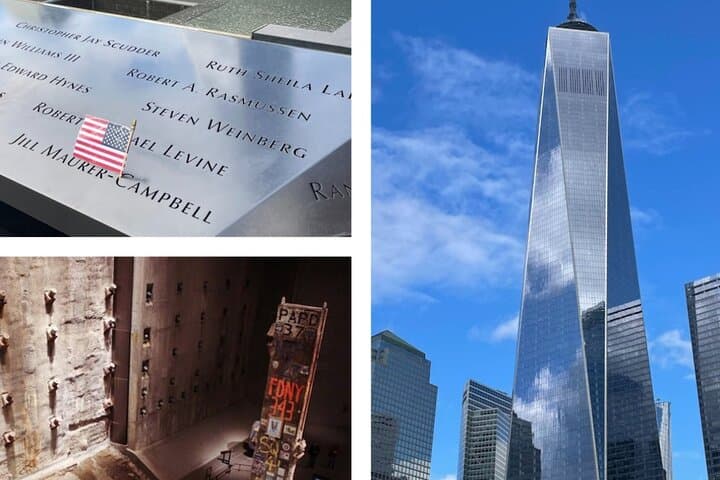
The site at Ground Zero is both recent history and ongoing urban geology — landfill and bedrock reshaped by decades of development and, after 2001, by a determined rebuilding effort. The 9/11 Memorial’s reflecting pools and the Survivor Tree are deliberate choices: stone, water and a single living tree frame memory and resilience. The Museum steps you down into artifact-filled rooms where recovered steel, personal effects and recorded testimonies orient the narrative toward individuals as much as events. From the One World Observatory, the skyline becomes a working map — ferries, the Hudson’s tidal pull, lower Manhattan’s checkerboard of streets.
Practical planning matters here: you clear airport-style security for museum and observatory entry, and both use timed tickets. Expect 2–5 hours to experience the full itinerary if you upgrade to the guided museum visit and visit the observatory. Dress in layers for outdoor plaza exposure; wear comfortable shoes for walking on pavement and museum ramps. Be prepared to check large bags, keep voices low in memorial spaces, and allow extra time for scheduled entry windows. The tour balances storytelling with quiet reflection — it’s civic history told close to the tile and steel that carry it.
easy.
2–5 hours.
Suitable for most fitness levels; requires walking and standing for extended periods.
No — mobile tickets are accepted; provide your name at check-in and the guide will distribute physical admission tickets.
Yes — the route and museum spaces are wheelchair accessible; contact the operator in advance for special assistance if needed.
Yes — once admitted you may remain in the Museum or Observatory beyond the guided portion, subject to their hours and capacity limits.
The Museum and Observatory enforce timed entries and may deny late admission; if you miss a slot, refunds or re-entry are subject to operator policy.
The World Trade Center site was rebuilt after the attacks of September 11, 2001; the Memorial and Museum were designed to honor lives lost while supporting public reflection and education.
The Memorial uses recirculating water systems and native plantings; visitors are asked to remain on paved paths and avoid touching artifacts to protect delicate materials.
ExperienceFirst operates guided outdoor trips and adventures with an emphasis on safety, stewardship, and memorable experiences.
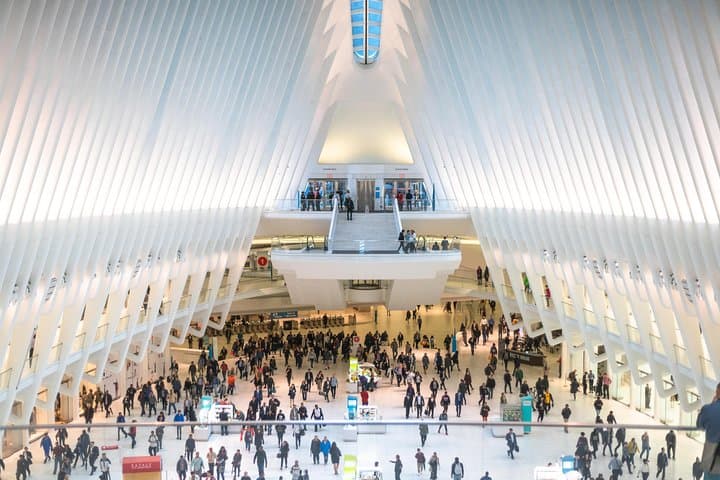
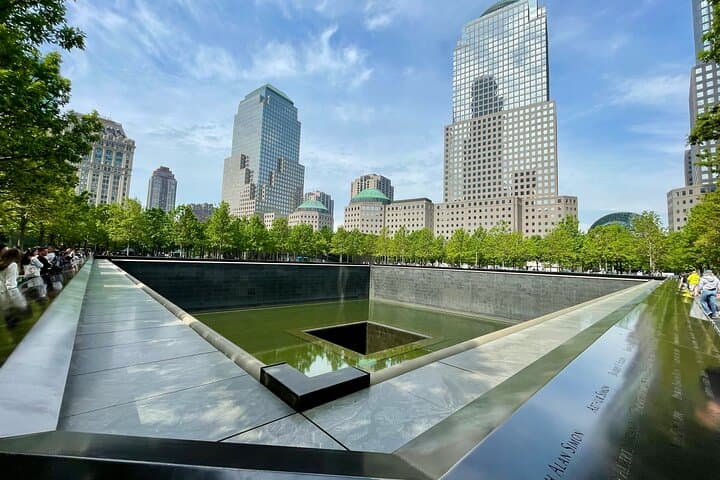
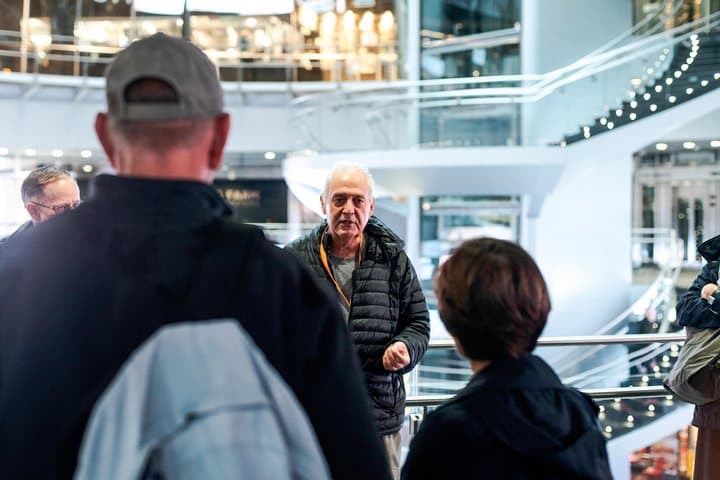
You meet inside the Oculus, where sunlight slices between ribs of steel and glass and the city's pulse hums below. A guide in an orange hat gathers the group and leads you toward a low plaza where two square voids hold the names of the lost. The plaza's waterfalls demand attention; they pull the usual city noise into a hush.
You meet inside the Oculus, where sunlight slices between ribs of steel and glass and the city's pulse hums below. A guide in an orange hat gathers the group and leads you toward a low plaza where two square voids hold the names of the lost. The plaza's waterfalls demand attention; they pull the usual city noise into a hush.
The site at Ground Zero is both recent history and ongoing urban geology — landfill and bedrock reshaped by decades of development and, after 2001, by a determined rebuilding effort. The 9/11 Memorial’s reflecting pools and the Survivor Tree are deliberate choices: stone, water and a single living tree frame memory and resilience. The Museum steps you down into artifact-filled rooms where recovered steel, personal effects and recorded testimonies orient the narrative toward individuals as much as events. From the One World Observatory, the skyline becomes a working map — ferries, the Hudson’s tidal pull, lower Manhattan’s checkerboard of streets.
Practical planning matters here: you clear airport-style security for museum and observatory entry, and both use timed tickets. Expect 2–5 hours to experience the full itinerary if you upgrade to the guided museum visit and visit the observatory. Dress in layers for outdoor plaza exposure; wear comfortable shoes for walking on pavement and museum ramps. Be prepared to check large bags, keep voices low in memorial spaces, and allow extra time for scheduled entry windows. The tour balances storytelling with quiet reflection — it’s civic history told close to the tile and steel that carry it.