THE ADVENTURE COLLECTIVE® · Independent discovery and booking for outdoor travel

Climb Gros Piton for one of St. Lucia’s most iconic ridge-top views: a steep, rewarding scramble through rainforest and rock with panoramic coastal vistas. This guide covers what to expect on the trail, local context, and practical tips to prepare for the 2-hour climb up and back.
Climb Gros Piton for one of St. Lucia’s most iconic ridge-top views: a steep, rewarding scramble through rainforest and rock with panoramic coastal vistas. This guide covers what to expect on the trail, local context, and practical tips to prepare for the 2-hour climb up and back.
The morning light hits the windshield as the van winds down from Castries—Morne Fortune slipping by, banana plantations unfurling in the Roseau Valley—until the road drops into Soufrière and Gros Piton rises like a dark challenge at the trailhead. Guides hand out water and stout walking sticks; the mountain watches, daring each step.
Verified experiences and guided adventures in the surrounding area.
Operated by Superior Tour Services · Soufrière, Soufrière Quarter
The morning light hits the windshield as the van winds down from Castries—Morne Fortune slipping by, banana plantations unfurling in the Roseau Valley—until the road drops into Soufrière and Gros Piton rises like a dark challenge at the trailhead. Guides hand out water and stout walking sticks; the mountain watches, daring each step.
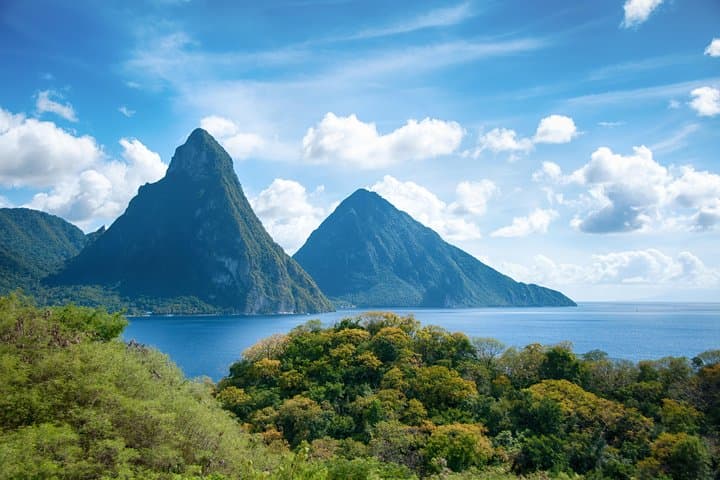
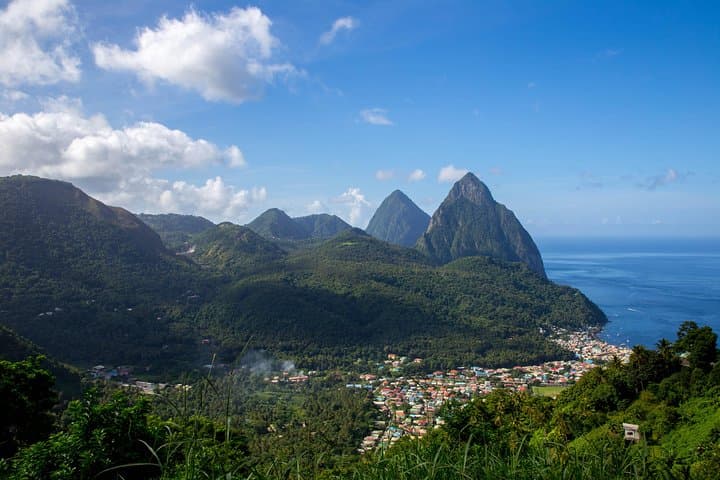
Gros Piton (about 798 m / 2,619 ft) is one of two volcanic plugs that mark St. Lucia’s dramatic coastline and a UNESCO World Heritage landscape. The rock is steep, columnar in places and heavily vegetated in others; trails switchback through secondary rainforest and exposed rocky ledges. The cultural route to the trailhead passes 200-year-old villages—settlements shaped by fishing, cocoa and banana farming—so the hike is as much a passage through local life as it is up a peak.
Expect a first half of steady hiking, then steeper, sometimes hand-assist scrambling on the final ascent. For fit hikers the climb is roughly two hours up and two down; the full tour (transfers, breaks, lunch) runs closer to 4–7 hours. Views from the summit give a panoramic sweep of the Pitons, the coral shelf and Soufrière’s coastline—reward enough for the effort.
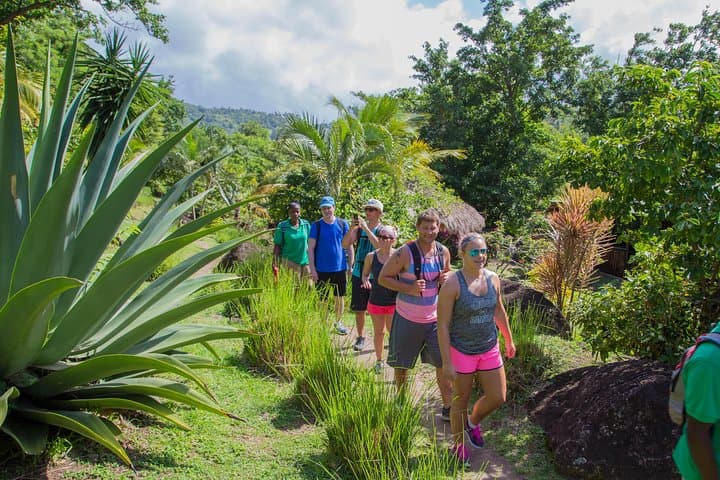
Practical notes: start early to avoid heat and afternoon showers, wear sturdy shoes with grip, carry sun protection and 1–2 liters of water, and move at your own pace on narrow, rocky sections. Guides shepherd groups and are familiar with local footing; if you have heart or back issues, this route is not recommended.
challenging.
4–7 hours.
Requires good cardiovascular fitness and leg strength; able to handle sustained uphill hiking and short sections of scrambling.
The climb itself is roughly 2 hours up and 2 hours down for fit hikers; include transfers and lunch and plan 4–7 hours total.
Stronger beginners with reasonable fitness can complete it, but the upper route includes steep, rocky sections and brief scrambling—guided groups help manage safety.
Guides are provided at a typical ratio of one guide per four guests; local operators handle trail access and fees.
Start early to avoid afternoon storms; carry a light waterproof and postpone the hike if heavy rain or lightning is forecast.
The Pitons are volcanic plugs formed by eruptions in the region’s geological past; Soufrière grew as a colonial-era settlement linked to fishing and agriculture.
The Pitons Management Area is protected—stay on trails, pack out waste, and support local guides to minimize erosion and habitat disturbance.
Superior Tour Services operates guided outdoor trips and adventures with an emphasis on safety, stewardship, and memorable experiences.
The morning light hits the windshield as the van winds down from Castries—Morne Fortune slipping by, banana plantations unfurling in the Roseau Valley—until the road drops into Soufrière and Gros Piton rises like a dark challenge at the trailhead. Guides hand out water and stout walking sticks; the mountain watches, daring each step.
The morning light hits the windshield as the van winds down from Castries—Morne Fortune slipping by, banana plantations unfurling in the Roseau Valley—until the road drops into Soufrière and Gros Piton rises like a dark challenge at the trailhead. Guides hand out water and stout walking sticks; the mountain watches, daring each step.
Gros Piton (about 798 m / 2,619 ft) is one of two volcanic plugs that mark St. Lucia’s dramatic coastline and a UNESCO World Heritage landscape. The rock is steep, columnar in places and heavily vegetated in others; trails switchback through secondary rainforest and exposed rocky ledges. The cultural route to the trailhead passes 200-year-old villages—settlements shaped by fishing, cocoa and banana farming—so the hike is as much a passage through local life as it is up a peak.
Expect a first half of steady hiking, then steeper, sometimes hand-assist scrambling on the final ascent. For fit hikers the climb is roughly two hours up and two down; the full tour (transfers, breaks, lunch) runs closer to 4–7 hours. Views from the summit give a panoramic sweep of the Pitons, the coral shelf and Soufrière’s coastline—reward enough for the effort.
Practical notes: start early to avoid heat and afternoon showers, wear sturdy shoes with grip, carry sun protection and 1–2 liters of water, and move at your own pace on narrow, rocky sections. Guides shepherd groups and are familiar with local footing; if you have heart or back issues, this route is not recommended.