THE ADVENTURE COLLECTIVE® · Independent discovery and booking for outdoor travel

Climb Gros Piton on a private day tour from Soufrière and stand above the Caribbean for sweeping, island-wide views. This steep, volcanic ascent rewards steady hikers with dramatic panoramas and a brief island tour en route.
Climb Gros Piton on a private day tour from Soufrière and stand above the Caribbean for sweeping, island-wide views. This steep, volcanic ascent rewards steady hikers with dramatic panoramas and a brief island tour en route.
You start the day with sea air still on your skin as the van threads along the western coast toward Soufrière; palms lean and the Caribbean stretches like a challenge below. At the trailhead the mountain takes shape—a looming, blocky mass of volcanic rock—and the guide checks boots and water before the slow incline begins.
Verified experiences and guided adventures in the surrounding area.
Operated by Tour For The Day · Soufrière, Soufrière Quarter
You start the day with sea air still on your skin as the van threads along the western coast toward Soufrière; palms lean and the Caribbean stretches like a challenge below. At the trailhead the mountain takes shape—a looming, blocky mass of volcanic rock—and the guide checks boots and water before the slow incline begins.
Gros Piton is an eroded basalt stack formed by volcanic activity millions of years ago, one of two dramatic volcanic plugs that mark St. Lucia’s southwestern shore. The surrounding landscape is shaped by fertile volcanic soils, coconut and banana plots, and fishing villages that still send boats out at dawn. Local history is visible in plantation terraces and the French and British names that dot the map.
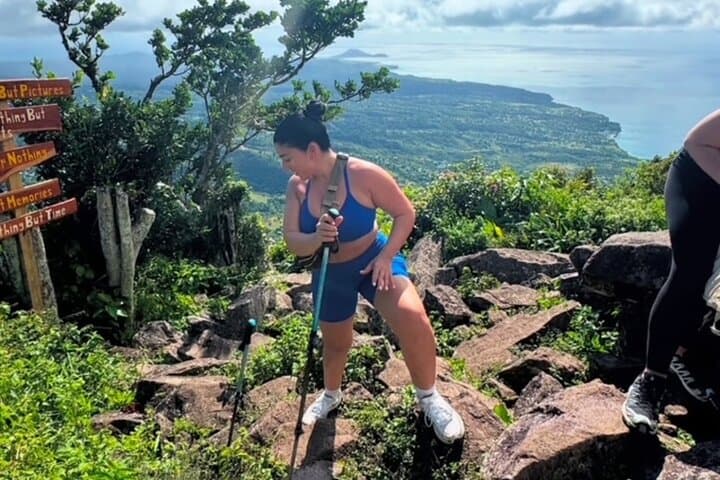
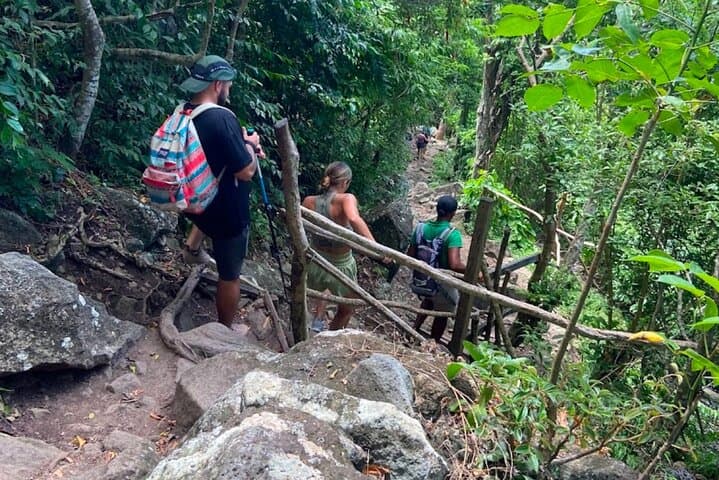
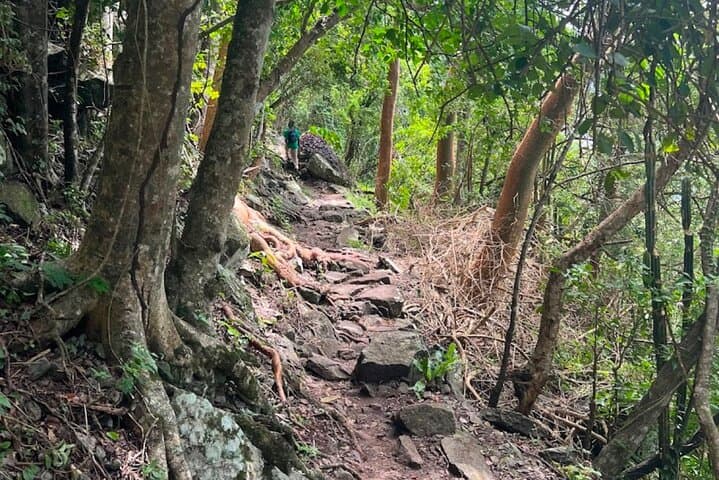
The route to the summit climbs roughly 2,600 feet (≈800 m) over about 4 km round-trip, with steep, rocky sections that often require short scrambles and handholds. Forest gives way to exposed ridgeline; wind and sun become part of the climb, pushing and cooling in turn. From the top the Caribbean claims the horizon—fishing boats are specks, Soufrière a patchwork beneath.
Practical notes: plan 3–4 hours for the hike itself within a half-day tour, bring 1–2 liters of water, sturdy boots, and sun protection. Start early to avoid midday heat and to catch clearer views. The climb is physically demanding but straightforward; a certified local guide handles route-finding, local context, and safety. Expect changing footing, intermittent steepness, and rewarding panoramas that frame why Gros Piton is a classic Caribbean summit experience.
challenging.
3–4 hours (hike only); full tour ~6–7 hours.
Good cardiovascular fitness and leg strength; comfortable with sustained uphill hiking and short scrambling
Expect about 3–4 hours for the round-trip hike; the full private tour, including transfers and stops, is roughly 6–7 hours.
The trail is steep and includes short scrambles; fit beginners with a steady pace and a guide can usually complete it, but it’s not recommended for those with serious mobility issues.
Guides are strongly recommended and typically provided on private tours—this improves safety, navigation, and local interpretation.
Early morning offers cooler temperatures and clearer views; late afternoon can bring haze and stronger winds on the ridge.
The Pitons mark volcanic activity central to St. Lucia’s geology; surrounding plantations reflect colonial-era agriculture and local Creole culture.
The Pitons Management Area is a protected zone—stick to marked trails, avoid littering, and support local guides who contribute to conservation efforts.
Tour For The Day operates guided outdoor trips and adventures with an emphasis on safety, stewardship, and memorable experiences.
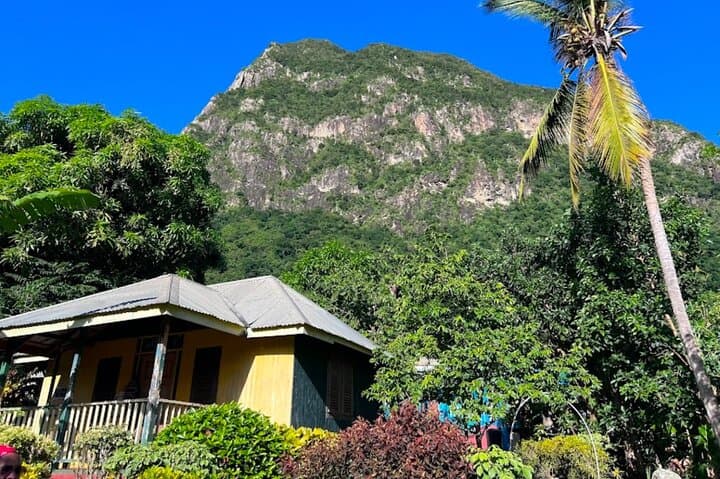
You start the day with sea air still on your skin as the van threads along the western coast toward Soufrière; palms lean and the Caribbean stretches like a challenge below. At the trailhead the mountain takes shape—a looming, blocky mass of volcanic rock—and the guide checks boots and water before the slow incline begins.
You start the day with sea air still on your skin as the van threads along the western coast toward Soufrière; palms lean and the Caribbean stretches like a challenge below. At the trailhead the mountain takes shape—a looming, blocky mass of volcanic rock—and the guide checks boots and water before the slow incline begins.
Gros Piton is an eroded basalt stack formed by volcanic activity millions of years ago, one of two dramatic volcanic plugs that mark St. Lucia’s southwestern shore. The surrounding landscape is shaped by fertile volcanic soils, coconut and banana plots, and fishing villages that still send boats out at dawn. Local history is visible in plantation terraces and the French and British names that dot the map.
The route to the summit climbs roughly 2,600 feet (≈800 m) over about 4 km round-trip, with steep, rocky sections that often require short scrambles and handholds. Forest gives way to exposed ridgeline; wind and sun become part of the climb, pushing and cooling in turn. From the top the Caribbean claims the horizon—fishing boats are specks, Soufrière a patchwork beneath.
Practical notes: plan 3–4 hours for the hike itself within a half-day tour, bring 1–2 liters of water, sturdy boots, and sun protection. Start early to avoid midday heat and to catch clearer views. The climb is physically demanding but straightforward; a certified local guide handles route-finding, local context, and safety. Expect changing footing, intermittent steepness, and rewarding panoramas that frame why Gros Piton is a classic Caribbean summit experience.