THE ADVENTURE COLLECTIVE® · Independent discovery and booking for outdoor travel

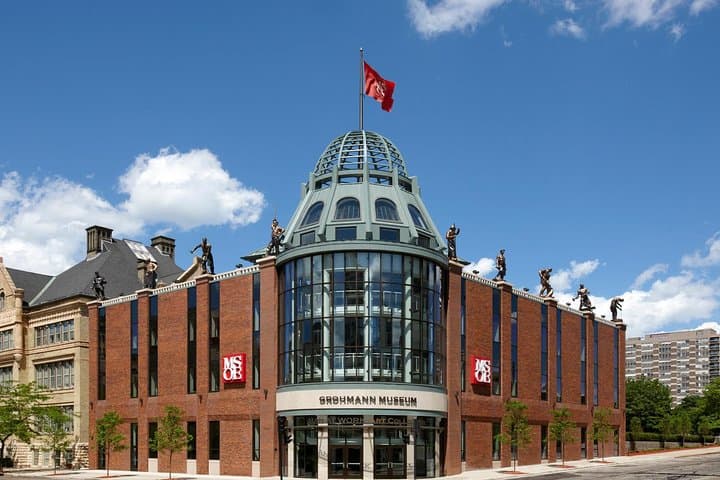
Visit Milwaukee’s Grohmann Museum to see a one-of-a-kind collection dedicated to the art of human labor. This museum pairs engineering history with curated artworks across three gallery floors and a rooftop sculpture garden.
Visit Milwaukee’s Grohmann Museum to see a one-of-a-kind collection dedicated to the art of human labor. This museum pairs engineering history with curated artworks across three gallery floors and a rooftop sculpture garden.
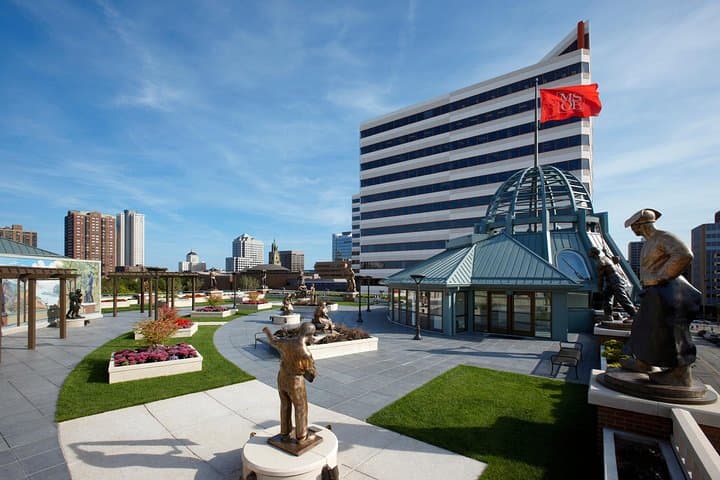
You step off the city street and into a hushed gallery where gears, labor scenes, and human hands dominate the frame. Light from the rooftop sculpture garden filters down three floors of galleries, catching the brushed metal and oil-stained palettes that make up the Grohmann Museum’s collection. The building feels like an exhibit itself: engineered, intentional, and centered on human craft.
Verified experiences and guided adventures in the surrounding area.
Operated by Grohmann Museum · Milwaukee, Wisconsin
You step off the city street and into a hushed gallery where gears, labor scenes, and human hands dominate the frame. Light from the rooftop sculpture garden filters down three floors of galleries, catching the brushed metal and oil-stained palettes that make up the Grohmann Museum’s collection. The building feels like an exhibit itself: engineered, intentional, and centered on human craft.
The museum was created around the private collection donated by Eckhart Grohmann and developed in partnership with the Milwaukee School of Engineering. Its focus is unusual — art that documents work, industry, and technological change from the Renaissance to the modern era — which makes the museum a cultural crossroad between fine art and engineering history. In an urban geology of brick and river, the museum’s galleries track shifts in material culture as factories rose and civic industry shaped Milwaukee.
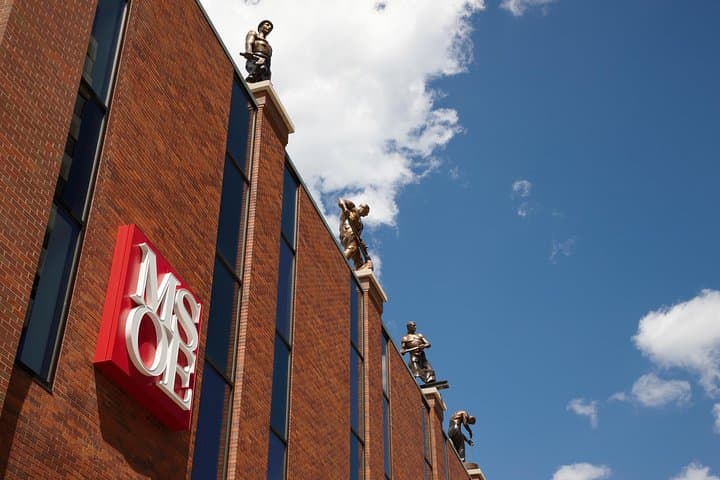
Expect curated galleries of prints, paintings, and sculpture that emphasize tool use, factory life, and skilled trades. The rooftop sculpture garden provides a immediate contrast: outdoor scale, steel forms, and skyline views that place the exhibits back into the city they helped build.
Practical guidance: reserve your mobile ticket to skip the desk and plan 1–3 hours; much of the museum is wheelchair accessible and kids 12 and under enter free. Allow time for close-looking — panels and small-scale studies reward patience — and pair your visit with a walk on the nearby Riverwalk to see the industrial context firsthand. Bring sensible footwear, a light layer for the rooftop, and a camera if you like architectural detail.
easy.
1–3 hours.
Suitable for most visitors; minimal walking inside with optional outdoor rooftop access
Yes, kids 12 and under are typically free; check ticket details at booking.
Yes, the Grohmann Museum reports full accessibility, with elevators and wheelchair-friendly surfaces.
Photography policies vary by gallery; non-flash photography is commonly allowed but check signage or ask staff for restrictions on specific pieces.
Allocate 1–3 hours depending on your interest in industrial art and time spent on the rooftop sculpture garden.
The museum grew from Eckhart Grohmann’s private collection and was developed in partnership with the Milwaukee School of Engineering to chronicle the art of human labor.
The museum emphasizes preservation of industrial-era artworks and encourages low-impact visits via public transit access; please follow exhibit rules to protect fragile works.
Grohmann Museum operates guided outdoor trips and adventures with an emphasis on safety, stewardship, and memorable experiences.

You step off the city street and into a hushed gallery where gears, labor scenes, and human hands dominate the frame. Light from the rooftop sculpture garden filters down three floors of galleries, catching the brushed metal and oil-stained palettes that make up the Grohmann Museum’s collection. The building feels like an exhibit itself: engineered, intentional, and centered on human craft.
You step off the city street and into a hushed gallery where gears, labor scenes, and human hands dominate the frame. Light from the rooftop sculpture garden filters down three floors of galleries, catching the brushed metal and oil-stained palettes that make up the Grohmann Museum’s collection. The building feels like an exhibit itself: engineered, intentional, and centered on human craft.
The museum was created around the private collection donated by Eckhart Grohmann and developed in partnership with the Milwaukee School of Engineering. Its focus is unusual — art that documents work, industry, and technological change from the Renaissance to the modern era — which makes the museum a cultural crossroad between fine art and engineering history. In an urban geology of brick and river, the museum’s galleries track shifts in material culture as factories rose and civic industry shaped Milwaukee.
Expect curated galleries of prints, paintings, and sculpture that emphasize tool use, factory life, and skilled trades. The rooftop sculpture garden provides a immediate contrast: outdoor scale, steel forms, and skyline views that place the exhibits back into the city they helped build.
Practical guidance: reserve your mobile ticket to skip the desk and plan 1–3 hours; much of the museum is wheelchair accessible and kids 12 and under enter free. Allow time for close-looking — panels and small-scale studies reward patience — and pair your visit with a walk on the nearby Riverwalk to see the industrial context firsthand. Bring sensible footwear, a light layer for the rooftop, and a camera if you like architectural detail.