THE ADVENTURE COLLECTIVE® · Independent discovery and booking for outdoor travel

Customize a private, hour-by-hour exploration of Grenada’s natural and cultural highlights—from crater lakes and waterfalls to working cocoa estates. This flexible tour pairs local expertise with on-the-ground logistics so you can choose active hikes, agro-tours, or relaxed cultural stops.
Customize a private, hour-by-hour exploration of Grenada’s natural and cultural highlights—from crater lakes and waterfalls to working cocoa estates. This flexible tour pairs local expertise with on-the-ground logistics so you can choose active hikes, agro-tours, or relaxed cultural stops.
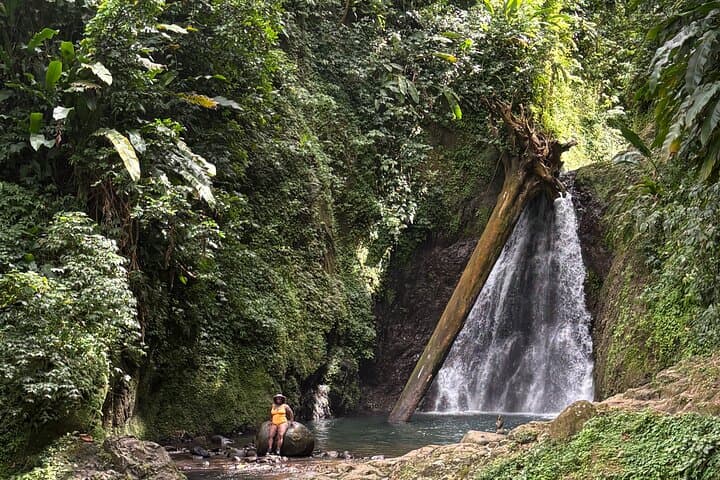
You step off the coast road and the island exhales—humid, green, and surprisingly large for its slim profile on the map. The air tastes faintly of cocoa and salt as your private guide plots a route: a crater lake tucked in montane cloud, a plunge pool fed by a narrow waterfall, a working chocolate estate where beans are still roasted by hand. Each stop feels like a deliberate conversation with the land.
Verified experiences and guided adventures in the surrounding area.
Operated by Edwin Frank Tours · St. George's, Saint George Parish
You step off the coast road and the island exhales—humid, green, and surprisingly large for its slim profile on the map. The air tastes faintly of cocoa and salt as your private guide plots a route: a crater lake tucked in montane cloud, a plunge pool fed by a narrow waterfall, a working chocolate estate where beans are still roasted by hand. Each stop feels like a deliberate conversation with the land.
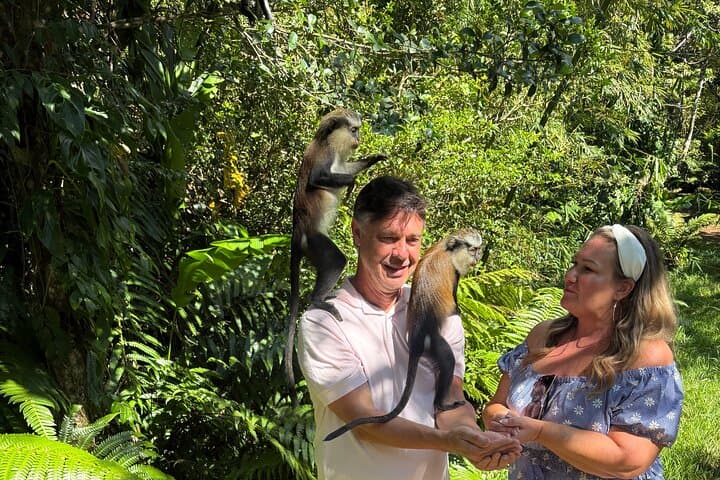
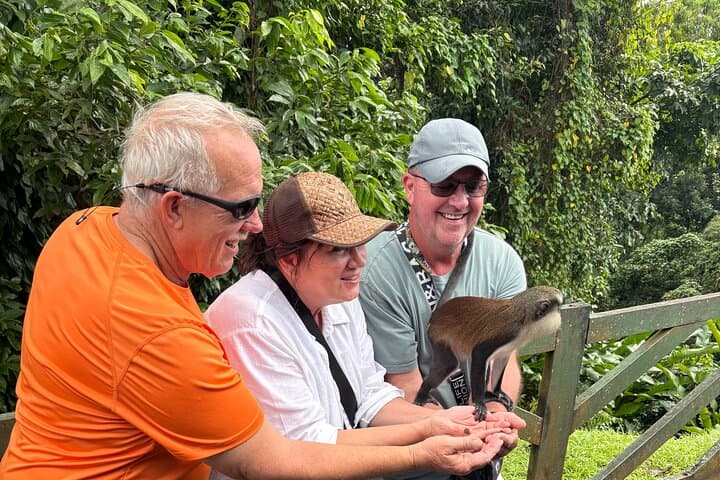
Grenada’s spine is volcanic: old lava flows and weathered basalt give way to red soils that feed spice gardens and cocoa groves. The island’s colonial history — French and British plantations later diversified into small agro-enterprises — is visible in stone fortifications and estate houses dotting secondary roads. Local guides stitch geology, culture and cuisine together: how crater lakes formed, why nutmeg changed economies, and where the island’s shy wildlife prefers to hide.
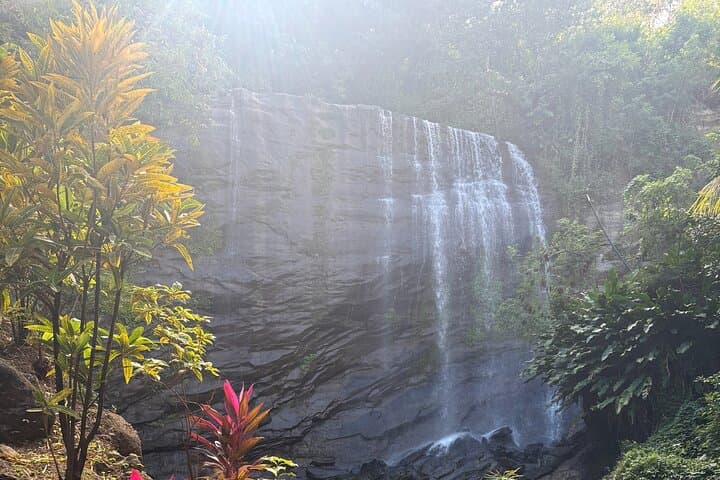
Practically, the tour is flexible: guests book a guide by the hour and build an itinerary that suits energy and interest. Expect light walking on uneven trails at sites like Grand Etang Forest Reserve, brief swims at Annandale, and shady, informative stops at plantations. Guides commonly include entrance fees for flagship sites and can advise on timing to avoid mid-day heat or cruise-ship crowds.
Bring a layered rain shell, sturdy shoes for muddy trails, and cash for small vendors. Hydrate often in the humid tropics and leave space in your bag for fresh chocolate and spices. With a pragmatic plan and an expert local, Grenada reveals itself in short, vivid chapters—each place nudging you to look closer.
easy.
4–10 hours.
Suitable for most fitness levels; expect short, uneven trail sections and brief stair or incline climbs at viewpoints.
You pay for the first hour at booking to secure the guide; additional hours are charged hourly and can be paid to the guide by cash or card at the end.
Yes—this private tour is built to be flexible; guides will recommend sites based on interests, timing, and weather.
Major sites listed in packages typically include entrance fees; confirm with your operator for any optional stops.
Pickup options are usually available—specify pickup point at booking and confirm times, especially for cruise schedules.
Grenada’s colonial plantation economy shaped land use and crop selection; today small estates operate alongside eco-tourism focused on cocoa, nutmeg and spices.
Many inland stops lie within protected reserves or agro-forestry operations—support local guides and avoid taking seeds or plant material; stick to marked trails to limit erosion.
Edwin Frank Tours operates guided outdoor trips and adventures with an emphasis on safety, stewardship, and memorable experiences.
You step off the coast road and the island exhales—humid, green, and surprisingly large for its slim profile on the map. The air tastes faintly of cocoa and salt as your private guide plots a route: a crater lake tucked in montane cloud, a plunge pool fed by a narrow waterfall, a working chocolate estate where beans are still roasted by hand. Each stop feels like a deliberate conversation with the land.
You step off the coast road and the island exhales—humid, green, and surprisingly large for its slim profile on the map. The air tastes faintly of cocoa and salt as your private guide plots a route: a crater lake tucked in montane cloud, a plunge pool fed by a narrow waterfall, a working chocolate estate where beans are still roasted by hand. Each stop feels like a deliberate conversation with the land.
Grenada’s spine is volcanic: old lava flows and weathered basalt give way to red soils that feed spice gardens and cocoa groves. The island’s colonial history — French and British plantations later diversified into small agro-enterprises — is visible in stone fortifications and estate houses dotting secondary roads. Local guides stitch geology, culture and cuisine together: how crater lakes formed, why nutmeg changed economies, and where the island’s shy wildlife prefers to hide.
Practically, the tour is flexible: guests book a guide by the hour and build an itinerary that suits energy and interest. Expect light walking on uneven trails at sites like Grand Etang Forest Reserve, brief swims at Annandale, and shady, informative stops at plantations. Guides commonly include entrance fees for flagship sites and can advise on timing to avoid mid-day heat or cruise-ship crowds.
Bring a layered rain shell, sturdy shoes for muddy trails, and cash for small vendors. Hydrate often in the humid tropics and leave space in your bag for fresh chocolate and spices. With a pragmatic plan and an expert local, Grenada reveals itself in short, vivid chapters—each place nudging you to look closer.