THE ADVENTURE COLLECTIVE® · Independent discovery and booking for outdoor travel

Walk the streets that shaped bohemian New York on this small-group Greenwich Village tour. In two hours you’ll visit Washington Square, the Stonewall Inn, and sites tied to writers, musicians, and labor history.
Walk the streets that shaped bohemian New York on this small-group Greenwich Village tour. In two hours you’ll visit Washington Square, the Stonewall Inn, and sites tied to writers, musicians, and labor history.
You step from the wobble of Sixth Avenue into a narrower world where brick facades lean close and the city’s tempo drops a beat. The two-hour walk threads from the Waverly Diner past tucked stoops, past the fountain at Washington Square Park, and down Christopher Street where voices that changed a nation once rose up. The pavement is old; the stories older.
Verified experiences and guided adventures in the surrounding area.
Operated by Top Dog Tours Inc. · New York, NY
You step from the wobble of Sixth Avenue into a narrower world where brick facades lean close and the city’s tempo drops a beat. The two-hour walk threads from the Waverly Diner past tucked stoops, past the fountain at Washington Square Park, and down Christopher Street where voices that changed a nation once rose up. The pavement is old; the stories older.
Greenwich Village grew from 18th-century farm plots into a 19th–20th century refuge for artists, radicals, and immigrant communities. The neighborhood sits atop Manhattan schist sliced by historic street grids and old property lines, which is why the streets angle and alleys still surprise. Landmarks on the route include the Edgar Allan Poe house, the Brown Building (Triangle Shirtwaist Fire), Cafe Wha?, and the Stonewall Inn — each a chapter in labor, literary, musical, and LGBTQ history.
Locals prize the Village for its independent businesses, longstanding music clubs, and tight-knit block culture; expect to hear guide-ready anecdotes about Dylan, Springsteen, and the birth of the gay-rights movement.
Practical guidance: meet at 385 Sixth Avenue 15 minutes early. The tour covers mixed city sidewalks, cobbles, and occasional busy crossings — comfortable walking shoes and a light layer are advisable year-round. Restroom access is limited; plan ahead. Tours run in most weather, so bring a compact umbrella in rain or sun protection in summer. Small groups mean more questions and side-street detours; keep a charged phone and a transit card if you’ll leave the route independently at the end.
easy.
2 hours.
Light walking fitness — able to stand and walk for two hours with short pauses
The operator lists wheelchair accessibility, but sidewalks and some historic stretches can be uneven; contact the provider ahead to confirm accommodations.
Restroom availability is limited and not guaranteed; plan to use facilities before the start time.
Tours operate in most weather; guides advise dressing for conditions and bringing an umbrella; cancellations for extreme weather are handled per the provider’s policy.
Gratuities are not included but are appreciated; tip amounts are discretionary based on service.
The Village was a cradle for 20th-century bohemian culture and political movements — from writers and jazz to the 1969 Stonewall uprising and the 1911 Triangle Shirtwaist Fire’s labor reforms.
Respect narrow streets and private stoops by staying on sidewalks and avoiding litter; historic-preservation efforts keep façades intact, so avoid touching fragile details.
Top Dog Tours Inc. operates guided outdoor trips and adventures with an emphasis on safety, stewardship, and memorable experiences.
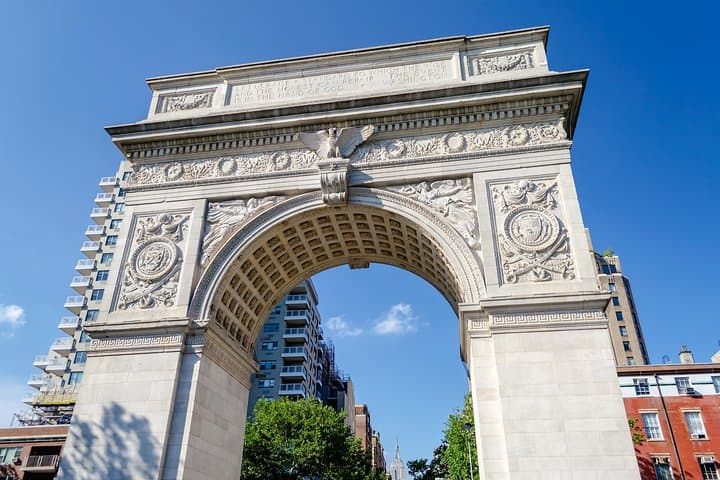
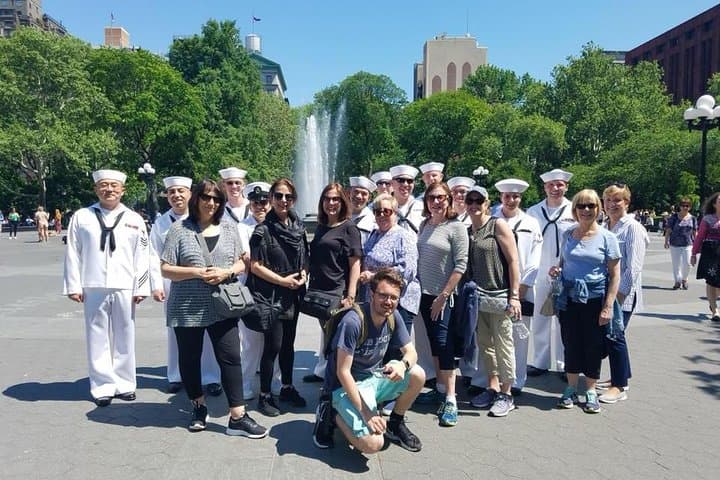
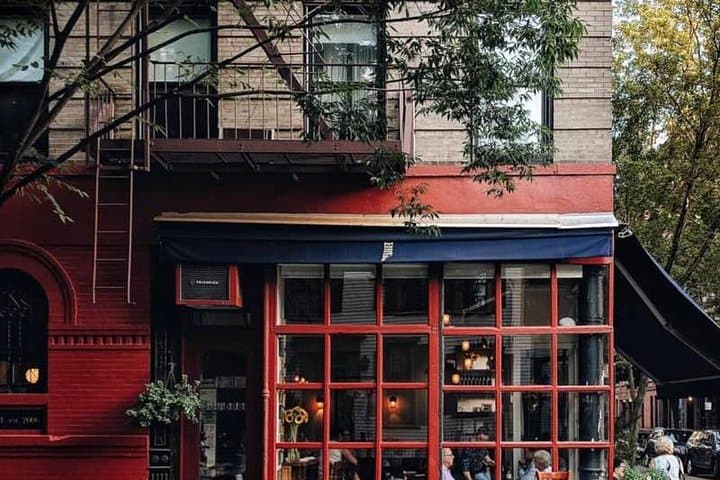
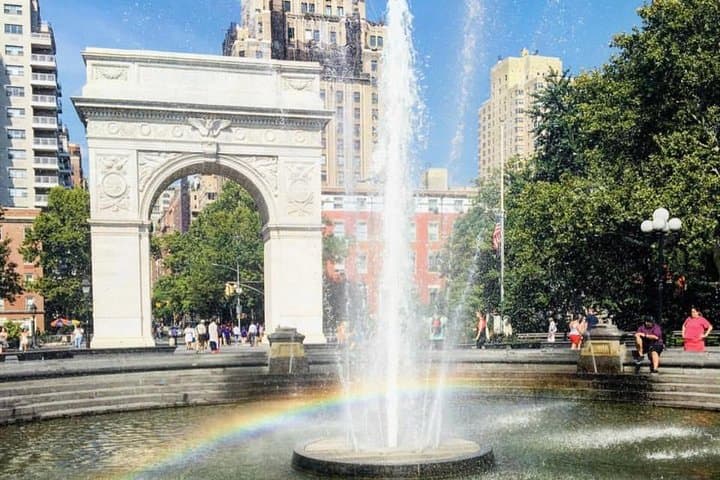
You step from the wobble of Sixth Avenue into a narrower world where brick facades lean close and the city’s tempo drops a beat. The two-hour walk threads from the Waverly Diner past tucked stoops, past the fountain at Washington Square Park, and down Christopher Street where voices that changed a nation once rose up. The pavement is old; the stories older.
You step from the wobble of Sixth Avenue into a narrower world where brick facades lean close and the city’s tempo drops a beat. The two-hour walk threads from the Waverly Diner past tucked stoops, past the fountain at Washington Square Park, and down Christopher Street where voices that changed a nation once rose up. The pavement is old; the stories older.
Greenwich Village grew from 18th-century farm plots into a 19th–20th century refuge for artists, radicals, and immigrant communities. The neighborhood sits atop Manhattan schist sliced by historic street grids and old property lines, which is why the streets angle and alleys still surprise. Landmarks on the route include the Edgar Allan Poe house, the Brown Building (Triangle Shirtwaist Fire), Cafe Wha?, and the Stonewall Inn — each a chapter in labor, literary, musical, and LGBTQ history.
Locals prize the Village for its independent businesses, longstanding music clubs, and tight-knit block culture; expect to hear guide-ready anecdotes about Dylan, Springsteen, and the birth of the gay-rights movement.
Practical guidance: meet at 385 Sixth Avenue 15 minutes early. The tour covers mixed city sidewalks, cobbles, and occasional busy crossings — comfortable walking shoes and a light layer are advisable year-round. Restroom access is limited; plan ahead. Tours run in most weather, so bring a compact umbrella in rain or sun protection in summer. Small groups mean more questions and side-street detours; keep a charged phone and a transit card if you’ll leave the route independently at the end.