THE ADVENTURE COLLECTIVE® · Independent discovery and booking for outdoor travel

Walk Greenwich Village at night with a Spanish-speaking guide, visiting famous clubs, theatres and historic sites in a lively two-hour stroll. Learn where icons performed, which bars to try, and practical tips for timing and lines.
Walk Greenwich Village at night with a Spanish-speaking guide, visiting famous clubs, theatres and historic sites in a lively two-hour stroll. Learn where icons performed, which bars to try, and practical tips for timing and lines.
A pocket of electric light and narrow streets comes alive as the sun dips behind low-rise brick facades — you meet your guide at the Astor Place Cube, a geometric landmark that anchors the Village’s evening pulse. The group threads down tree-lined blocks, neon signs and theatre marquees flashing, while the guide sketches the routes that launched comedians, musicians and playwrights into the city’s cultural bloodstream.
Verified experiences and guided adventures in the surrounding area.
Operated by Top Dog Tours Inc. · New York, New York
A pocket of electric light and narrow streets comes alive as the sun dips behind low-rise brick facades — you meet your guide at the Astor Place Cube, a geometric landmark that anchors the Village’s evening pulse. The group threads down tree-lined blocks, neon signs and theatre marquees flashing, while the guide sketches the routes that launched comedians, musicians and playwrights into the city’s cultural bloodstream.
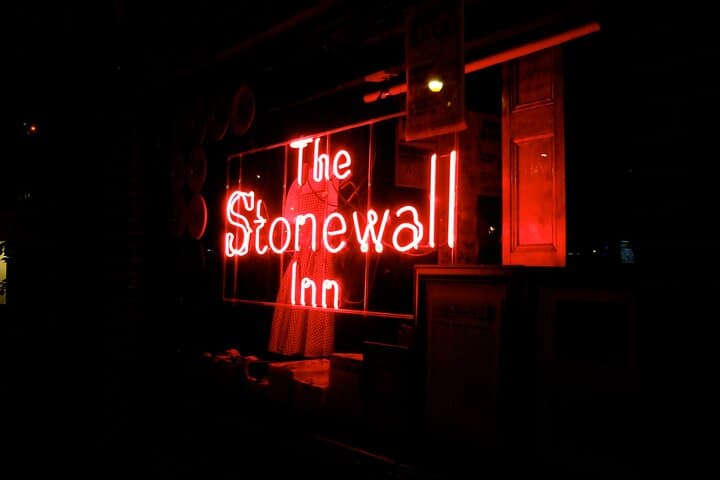
Greenwich Village grew from 18th-century farms into a 20th-century crucible for counterculture. Beneath the sidewalks the Manhattan Schist gives the neighborhood its firm bedrock; above ground, jazz clubs, Off-Broadway theatres and immigrant-owned taverns layered community and creativity. Stops on a typical two-hour route include Cafe Wha? and The Blue Note for live music, The Comedy Cellar’s cramped stage where punchlines sharpen, and the Stonewall Inn, a landmark of LGBTQ+ history.
The walk blends pop-culture anecdotes with practical local intel: best late-night eateries, which venues enforce cover charges, and timing tips for shorter lines. Expect flat, even sidewalks and short blocks — this is an easy, urban stroll but crowded evenings require alert footing and situational awareness.
Practical guidance: wear comfortable shoes for two hours of standing and walking, bring a transit card or contactless payment for drinks and entry, and schedule the tour early in the night to avoid peak crowding. For Spanish speakers or learners, the bilingual format adds cultural nuance and local recommendations that a map alone won’t show.
easy.
2 hours.
Basic urban fitness — able to stand and walk for two hours with occasional short pauses.
The tour runs approximately two hours and covers short blocks with frequent stops for stories and venue viewing.
Yes — the route uses sidewalks and accessible entrances where available; check with the operator for specific mobility needs.
No — food, drinks and any venue cover charges are not included; bring payment for purchases.
Yes — while conducted in Spanish, the guide typically provides clear context and can accommodate mixed-language groups or learners.
Greenwich Village was a 19th-century residential escape that evolved into a 20th-century artistic and political hub, pivotal to the Beat and folk movements and the 1969 Stonewall uprising.
Street cleanliness and crowd management are ongoing local concerns; support small venues and eateries to sustain the neighborhood’s cultural fabric.
Top Dog Tours Inc. operates guided outdoor trips and adventures with an emphasis on safety, stewardship, and memorable experiences.
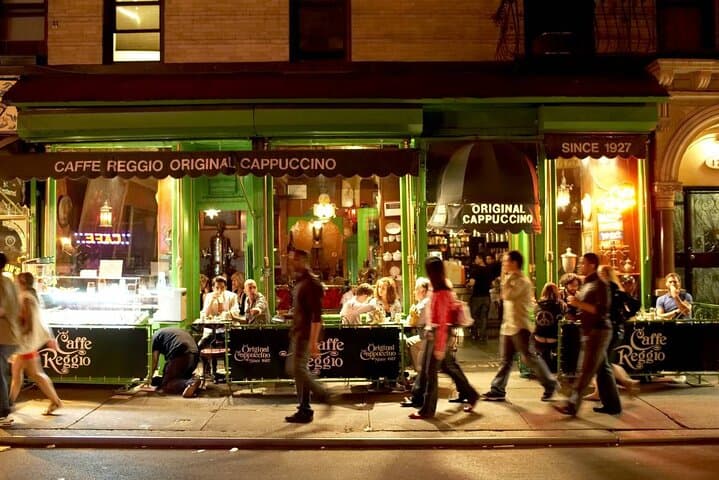


A pocket of electric light and narrow streets comes alive as the sun dips behind low-rise brick facades — you meet your guide at the Astor Place Cube, a geometric landmark that anchors the Village’s evening pulse. The group threads down tree-lined blocks, neon signs and theatre marquees flashing, while the guide sketches the routes that launched comedians, musicians and playwrights into the city’s cultural bloodstream.
A pocket of electric light and narrow streets comes alive as the sun dips behind low-rise brick facades — you meet your guide at the Astor Place Cube, a geometric landmark that anchors the Village’s evening pulse. The group threads down tree-lined blocks, neon signs and theatre marquees flashing, while the guide sketches the routes that launched comedians, musicians and playwrights into the city’s cultural bloodstream.
Greenwich Village grew from 18th-century farms into a 20th-century crucible for counterculture. Beneath the sidewalks the Manhattan Schist gives the neighborhood its firm bedrock; above ground, jazz clubs, Off-Broadway theatres and immigrant-owned taverns layered community and creativity. Stops on a typical two-hour route include Cafe Wha? and The Blue Note for live music, The Comedy Cellar’s cramped stage where punchlines sharpen, and the Stonewall Inn, a landmark of LGBTQ+ history.
The walk blends pop-culture anecdotes with practical local intel: best late-night eateries, which venues enforce cover charges, and timing tips for shorter lines. Expect flat, even sidewalks and short blocks — this is an easy, urban stroll but crowded evenings require alert footing and situational awareness.
Practical guidance: wear comfortable shoes for two hours of standing and walking, bring a transit card or contactless payment for drinks and entry, and schedule the tour early in the night to avoid peak crowding. For Spanish speakers or learners, the bilingual format adds cultural nuance and local recommendations that a map alone won’t show.