THE ADVENTURE COLLECTIVE® · Independent discovery and booking for outdoor travel

Walk through the streets where poets, activists, and experimental theatre reshaped American culture. This 90–120 minute guided tour mixes hard history with live recitations and local color to bring Greenwich Village’s bohemian past to life.
Walk through the streets where poets, activists, and experimental theatre reshaped American culture. This 90–120 minute guided tour mixes hard history with live recitations and local color to bring Greenwich Village’s bohemian past to life.
You step onto the cracked flagstones of Washington Square Park and the city exhales around you—street musicians tug at passersby while the arch keeps its quiet watch. The walk threads north and west from that plaza into a grid that still refuses Manhattan’s tidy geometry; here the streets talk back.
Verified experiences and guided adventures in the surrounding area.
Operated by Bootscrape Entertainment LLC · New York, New York
You step onto the cracked flagstones of Washington Square Park and the city exhales around you—street musicians tug at passersby while the arch keeps its quiet watch. The walk threads north and west from that plaza into a grid that still refuses Manhattan’s tidy geometry; here the streets talk back.
Greenwich Village grew from colonial farmland into a magnet for artists, radicals, and avant-garde theatre in the 19th and 20th centuries. The tour highlights architecture from Federal rowhouses to Greek Revival facades, and points out sites tied to the Beats, early feminists, and underground theatre movements. Underfoot, Manhattan schist shoulders up through the sidewalks; basements and stoops tell stories as much as plaques do.
Guides layer anecdotes—authored manifestos, ghost stories, and the local slang—onto documented history, correcting myths while reciting poems where they were first heard. Expect blocks once home to Edna St. Vincent Millay, the Provincetown Playhouse, and apartments where ideas brewed into movements.
Practical guidance: this is a 1.5–2 hour walking tour over mostly level pavement with short, concentrated stops. Wear supportive shoes for uneven curbs and bring a light layer—the Village is windy near the arch. Mornings are quieter for photography; evenings reveal lamp-lit theatre marquees and buskers that keep the spirit alive.
The tour suits curious travelers who want cultural context with a steady pace—listen for local opinions as much as for dates and names; the neighborhood still argues about its past, and that argument is part of the experience.
easy.
1.5–2 hours.
Light to moderate—able to walk continuously for up to two hours with short pauses
The guided walk lasts about 90–120 minutes and covers roughly 1.5–2 miles at an easy pace with multiple stops.
Yes; major sections and the start/end point at Washington Square Park are wheelchair accessible—notify the operator of accessibility needs when booking.
No—this is a street-level cultural and historical walking tour; any indoor visits or admissions are not included.
Children are welcome but must be accompanied by an adult; content includes historical anecdotes and occasional frank stories about past protests and personalities.
Greenwich Village became a creative hub in the 19th and 20th centuries, hosting Beat poets, avant-garde theatres, and early feminist organizing that shaped American culture.
Keep to sidewalks and avoid littering—support local preservation groups that protect historic facades and fund community arts programs.
Bootscrape Entertainment LLC operates guided outdoor trips and adventures with an emphasis on safety, stewardship, and memorable experiences.
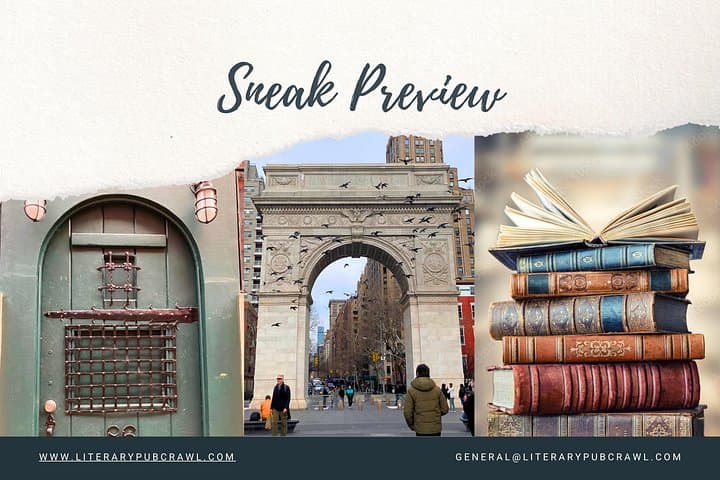
You step onto the cracked flagstones of Washington Square Park and the city exhales around you—street musicians tug at passersby while the arch keeps its quiet watch. The walk threads north and west from that plaza into a grid that still refuses Manhattan’s tidy geometry; here the streets talk back.
You step onto the cracked flagstones of Washington Square Park and the city exhales around you—street musicians tug at passersby while the arch keeps its quiet watch. The walk threads north and west from that plaza into a grid that still refuses Manhattan’s tidy geometry; here the streets talk back.
Greenwich Village grew from colonial farmland into a magnet for artists, radicals, and avant-garde theatre in the 19th and 20th centuries. The tour highlights architecture from Federal rowhouses to Greek Revival facades, and points out sites tied to the Beats, early feminists, and underground theatre movements. Underfoot, Manhattan schist shoulders up through the sidewalks; basements and stoops tell stories as much as plaques do.
Guides layer anecdotes—authored manifestos, ghost stories, and the local slang—onto documented history, correcting myths while reciting poems where they were first heard. Expect blocks once home to Edna St. Vincent Millay, the Provincetown Playhouse, and apartments where ideas brewed into movements.
Practical guidance: this is a 1.5–2 hour walking tour over mostly level pavement with short, concentrated stops. Wear supportive shoes for uneven curbs and bring a light layer—the Village is windy near the arch. Mornings are quieter for photography; evenings reveal lamp-lit theatre marquees and buskers that keep the spirit alive.
The tour suits curious travelers who want cultural context with a steady pace—listen for local opinions as much as for dates and names; the neighborhood still argues about its past, and that argument is part of the experience.