THE ADVENTURE COLLECTIVE® · Independent discovery and booking for outdoor travel

Explore Barton Creek's swimming holes, caves, and hilltop overlooks with a local guide on a 3–4 hour Greenbelter Safari Hike. Expect karst geology, urban wildlife, and practical trail knowledge for a family-friendly outing.
Explore Barton Creek's swimming holes, caves, and hilltop overlooks with a local guide on a 3–4 hour Greenbelter Safari Hike. Expect karst geology, urban wildlife, and practical trail knowledge for a family-friendly outing.
The trail opens like a page of the city you didn't know existed — limestone ledges and a creek daring you to step closer while downtown Austin hums a few miles away. On a Greenbelter Safari Hike you move through the Barton Creek Greenbelt and adjacent Hill Country spurs, stepping between swimming holes, short caves, and pockets of shaded oak and cedar.
Verified experiences and guided adventures in the surrounding area.
Operated by Greenbelter Nature Co. · Austin, Texas
The trail opens like a page of the city you didn't know existed — limestone ledges and a creek daring you to step closer while downtown Austin hums a few miles away. On a Greenbelter Safari Hike you move through the Barton Creek Greenbelt and adjacent Hill Country spurs, stepping between swimming holes, short caves, and pockets of shaded oak and cedar.
Geology here is immediate: Edwards Plateau limestone carved by intermittent springs and creeks creates shallow caves, cliffs, and the karst features that feed Barton Springs and Eliza Spring. The route traces worn cow paths, city greenbelt trails and short creek crossings; elevation change is modest (mostly under a few hundred feet) but expect rocky steps and loose talus near water.
Culturally, this land was long used by local Indigenous groups and later shaped by ranching and Austin’s expansion; you'll hear local names and practical lore from guides who point out Barton Springs salamanders, blind cave species, and the Texan slang that locals still use. Birding is excellent, and occasional sightings of armadillo or bobcat are reported.
Practical guidance: common itineraries run 3–4 hours and 1.5–3 miles round trip with optional spurs to Hidden Falls or Hill of Life. Wear supportive trail shoes, carry 1–2 liters of water, and bring sun protection — shade is patchy on exposed limestone. Swimming is possible at designated holes but check conditions and avoid fragile salamander habitats. Leave no trace, stick to established paths, and time hikes for morning or late afternoon to avoid summer heat.
moderate.
3–4 hours.
Appropriate for those with moderate fitness: able to hike uneven terrain for several miles and manage short creek crossings.
Yes — routes can be tailored to groups and children; guides adapt pace and length, but expect rocky creek crossings where supervision is needed.
Swimming is allowed at popular holes like Twin Falls and Sculpture Falls but always check guide instruction and avoid areas with sensitive salamanders or posted closures.
Service animals are allowed; private dogs depend on the location — guides typically require leashes and can advise on dog-friendly sections.
Meetups are commonly at Zilker Park or designated greenbelt parking; both are reachable by car, bike, ride-share, or local bus depending on the meetup chosen.
The greenbelts were used historically for hunting and grazing and later conserved as Austin grew; Indigenous groups and early ranchers shaped trails and place names in the area.
Spring-fed pools house sensitive amphibians — stay on trails, avoid disturbing springs, and follow guide instructions to minimize impact.
Greenbelter Nature Co. operates guided outdoor trips and adventures with an emphasis on safety, stewardship, and memorable experiences.
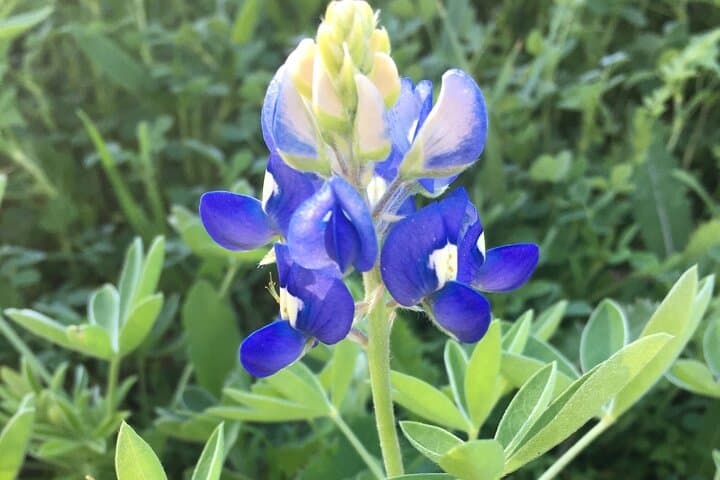
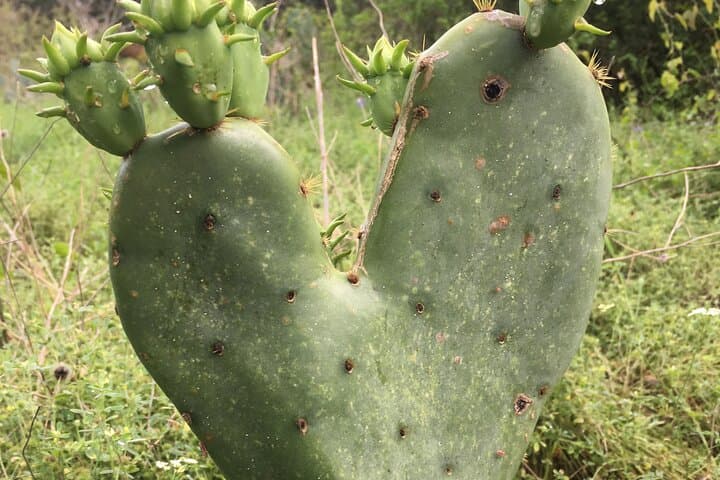

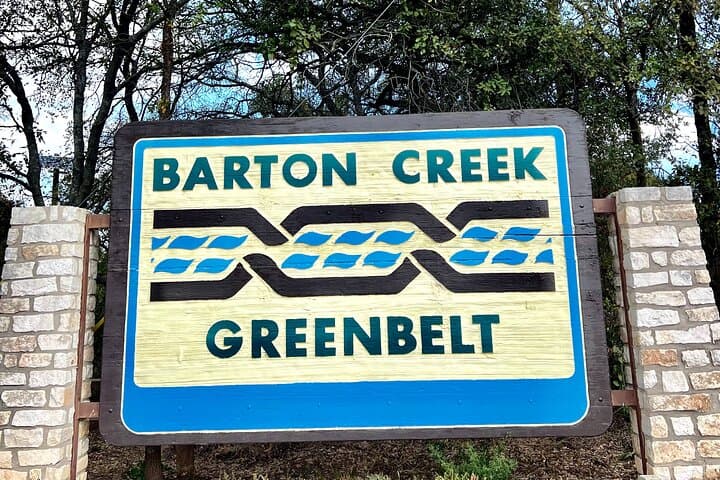
The trail opens like a page of the city you didn't know existed — limestone ledges and a creek daring you to step closer while downtown Austin hums a few miles away. On a Greenbelter Safari Hike you move through the Barton Creek Greenbelt and adjacent Hill Country spurs, stepping between swimming holes, short caves, and pockets of shaded oak and cedar.
The trail opens like a page of the city you didn't know existed — limestone ledges and a creek daring you to step closer while downtown Austin hums a few miles away. On a Greenbelter Safari Hike you move through the Barton Creek Greenbelt and adjacent Hill Country spurs, stepping between swimming holes, short caves, and pockets of shaded oak and cedar.
Geology here is immediate: Edwards Plateau limestone carved by intermittent springs and creeks creates shallow caves, cliffs, and the karst features that feed Barton Springs and Eliza Spring. The route traces worn cow paths, city greenbelt trails and short creek crossings; elevation change is modest (mostly under a few hundred feet) but expect rocky steps and loose talus near water.
Culturally, this land was long used by local Indigenous groups and later shaped by ranching and Austin’s expansion; you'll hear local names and practical lore from guides who point out Barton Springs salamanders, blind cave species, and the Texan slang that locals still use. Birding is excellent, and occasional sightings of armadillo or bobcat are reported.
Practical guidance: common itineraries run 3–4 hours and 1.5–3 miles round trip with optional spurs to Hidden Falls or Hill of Life. Wear supportive trail shoes, carry 1–2 liters of water, and bring sun protection — shade is patchy on exposed limestone. Swimming is possible at designated holes but check conditions and avoid fragile salamander habitats. Leave no trace, stick to established paths, and time hikes for morning or late afternoon to avoid summer heat.