THE ADVENTURE COLLECTIVE® · Independent discovery and booking for outdoor travel

Spend a relaxed half-day walking through Welchman Hall Gully and the Barbados Wildlife Reserve, where green monkeys and native plants roam free. This guided experience mixes gentle trail walking with conservation insight and local history.
Spend a relaxed half-day walking through Welchman Hall Gully and the Barbados Wildlife Reserve, where green monkeys and native plants roam free. This guided experience mixes gentle trail walking with conservation insight and local history.
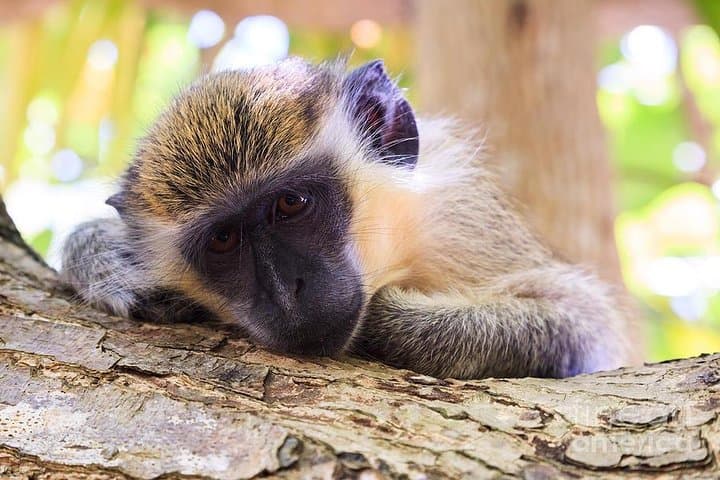
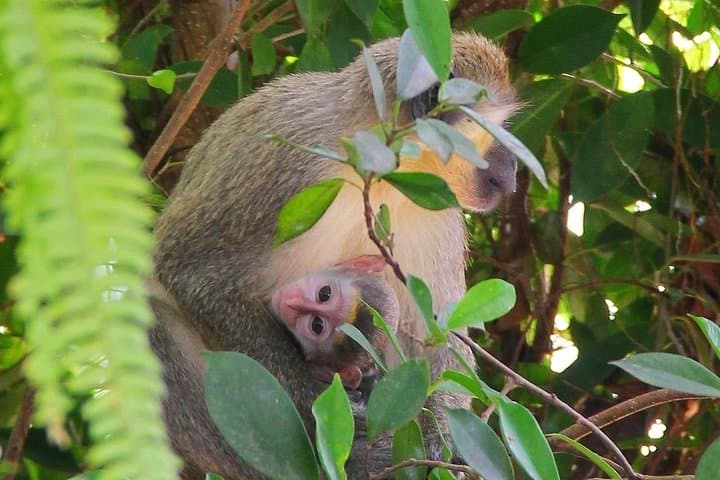
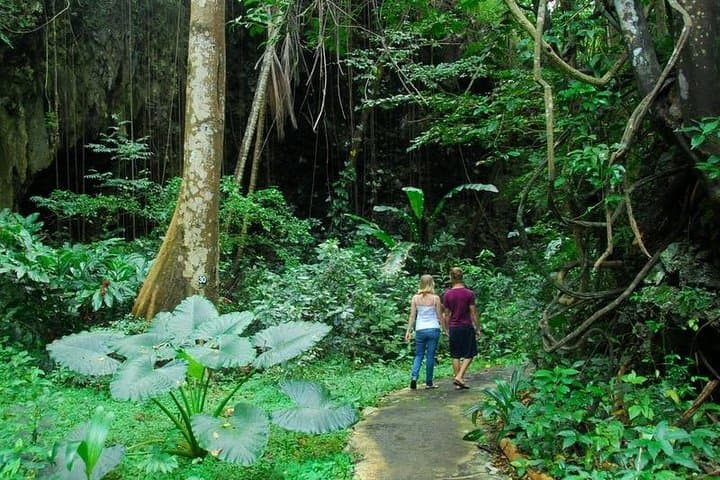
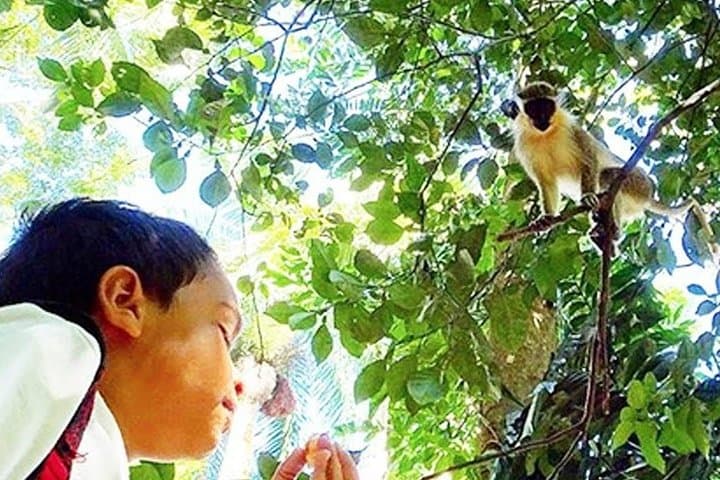
You step off the van and humidity meets you first — a warm, green breath that pushes through mahogany and sugar apple trees. Brick paths curve under a canopy where green monkeys move like quick thoughts, pausing to watch you with curious faces. The walk threads two complementary pockets of Barbados: the shaded corridors of Welchman Hall Gully and the fenced-but-open Barbados Wildlife Reserve.
Verified experiences and guided adventures in the surrounding area.
Operated by A+ Tours and Events · Speightstown, Saint Peter
You step off the van and humidity meets you first — a warm, green breath that pushes through mahogany and sugar apple trees. Brick paths curve under a canopy where green monkeys move like quick thoughts, pausing to watch you with curious faces. The walk threads two complementary pockets of Barbados: the shaded corridors of Welchman Hall Gully and the fenced-but-open Barbados Wildlife Reserve.
Welchman Hall Gully is a carved cleft in Barbados’s coral limestone, its walls revealing fossilized reef and a cooler microclimate where ferns and orchids find refuge. The Reserve occupies old mahogany forest on slightly higher ground; it started as a community conservation effort and now protects native plants and free-roaming animals, most famously the green monkey — a West African species that has adapted to the island since colonial-era introductions.
Culturally, these sites reflect Barbados’s transition from plantation landscapes to conservation-minded public spaces; local guides often weave stories of plantation-era uses, folk names for trees, and the island’s ongoing push to protect coastal and inland habitats.
Practical guidance: expect 3–4 hours of mostly flat walking on brick and packed earth paths with short uneven sections. Bring sun protection for transfer time, insect repellent for the gully, and a camera with a zoom — monkeys keep their distance. Comfortable walking shoes, bottled water, and light rain layers will keep the visit enjoyable. Respect the animals: no feeding, maintain distance, and follow your guide’s instructions to minimize stress on wildlife.
easy.
3–4 hours.
Light walking fitness; able to stand and walk on uneven ground for up to 90 minutes continuous stretches
Generally no — they are wary and will avoid people; do not feed or attempt to touch them to prevent stress or bites.
Yes; the tour is family-friendly though children should be supervised around animals and uneven paths.
Tour listings often include pickup options; confirm your pickup point when booking as some departures may require meeting at a central location.
Both sites have public access, but a guided visit provides local context, conservation info, and easier wildlife spotting.
These areas sit on former plantation land; the gully was valued historically for its cooler microclimate and as a source of native plants used locally.
Support the reserve by staying on trails, not feeding animals, and choosing operators who contribute to local conservation and community programs.
A+ Tours and Events operates guided outdoor trips and adventures with an emphasis on safety, stewardship, and memorable experiences.
You step off the van and humidity meets you first — a warm, green breath that pushes through mahogany and sugar apple trees. Brick paths curve under a canopy where green monkeys move like quick thoughts, pausing to watch you with curious faces. The walk threads two complementary pockets of Barbados: the shaded corridors of Welchman Hall Gully and the fenced-but-open Barbados Wildlife Reserve.
You step off the van and humidity meets you first — a warm, green breath that pushes through mahogany and sugar apple trees. Brick paths curve under a canopy where green monkeys move like quick thoughts, pausing to watch you with curious faces. The walk threads two complementary pockets of Barbados: the shaded corridors of Welchman Hall Gully and the fenced-but-open Barbados Wildlife Reserve.
Welchman Hall Gully is a carved cleft in Barbados’s coral limestone, its walls revealing fossilized reef and a cooler microclimate where ferns and orchids find refuge. The Reserve occupies old mahogany forest on slightly higher ground; it started as a community conservation effort and now protects native plants and free-roaming animals, most famously the green monkey — a West African species that has adapted to the island since colonial-era introductions.
Culturally, these sites reflect Barbados’s transition from plantation landscapes to conservation-minded public spaces; local guides often weave stories of plantation-era uses, folk names for trees, and the island’s ongoing push to protect coastal and inland habitats.
Practical guidance: expect 3–4 hours of mostly flat walking on brick and packed earth paths with short uneven sections. Bring sun protection for transfer time, insect repellent for the gully, and a camera with a zoom — monkeys keep their distance. Comfortable walking shoes, bottled water, and light rain layers will keep the visit enjoyable. Respect the animals: no feeding, maintain distance, and follow your guide’s instructions to minimize stress on wildlife.