THE ADVENTURE COLLECTIVE® · Independent discovery and booking for outdoor travel

See Madrid’s major green spaces and monuments with minimal effort on an electric bike. This 2.5–3 hour route connects Temple of Debod, Parque del Oeste, Puente de los Franceses and Casa de Campo with expert local commentary and easy riding.
See Madrid’s major green spaces and monuments with minimal effort on an electric bike. This 2.5–3 hour route connects Temple of Debod, Parque del Oeste, Puente de los Franceses and Casa de Campo with expert local commentary and easy riding.
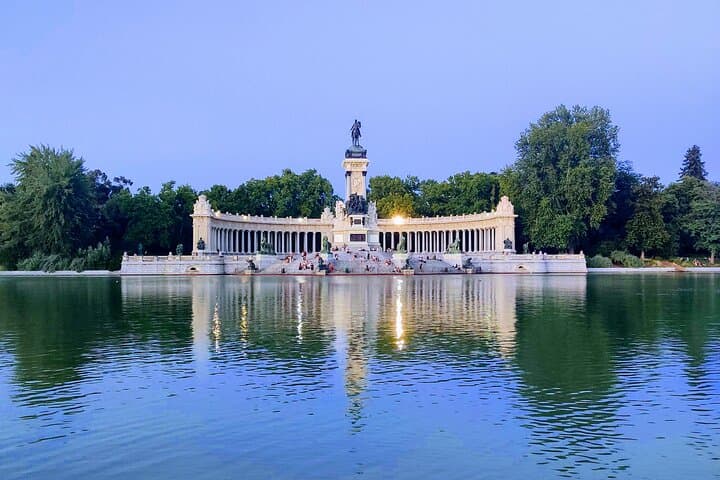
Pedaling onto a Madrid morning, the Temple of Debod rises like an unexpected island of stone against city sky — its blocks cool from night and the park around it breathing green. With an electric assist, the city’s hills open up: a quick climb to Moncloa Lighthouse, a glide through Parque del Oeste where the Atlas cedar leans like an old guide, then across the iron ribs of Puente de los Franceses toward the spread of Casa de Campo and its lake.
Verified experiences and guided adventures in the surrounding area.
Operated by QIK Tours · Madrid, Community of Madrid
Pedaling onto a Madrid morning, the Temple of Debod rises like an unexpected island of stone against city sky — its blocks cool from night and the park around it breathing green. With an electric assist, the city’s hills open up: a quick climb to Moncloa Lighthouse, a glide through Parque del Oeste where the Atlas cedar leans like an old guide, then across the iron ribs of Puente de los Franceses toward the spread of Casa de Campo and its lake.
This ride stitches together Madrid’s layered past: an Egyptian temple reassembled here in the 20th century, 19th-century railway viaducts, and royal hunting grounds that became the city’s largest park. Geologically, you move across the Meseta Central plateau and the small valley carved by the Manzanares River — urban soils of granite and clay that feed the parks’ oaks and ornamental pines.
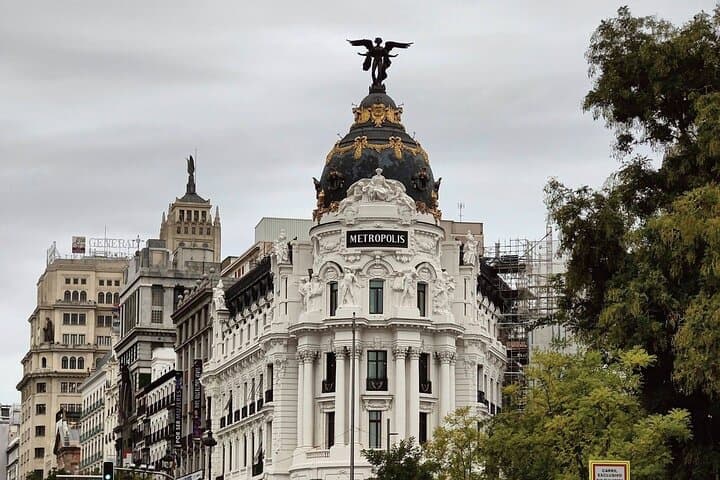
Culture threads through plazas and monuments: the bear and strawberry tree statue, tapas corners near Puerta de San Vicente, and neighborhoods where locals walk dogs and drink café con leche.
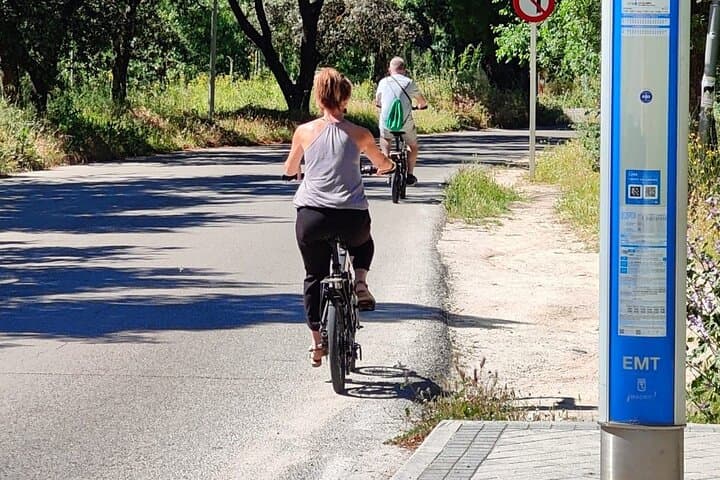
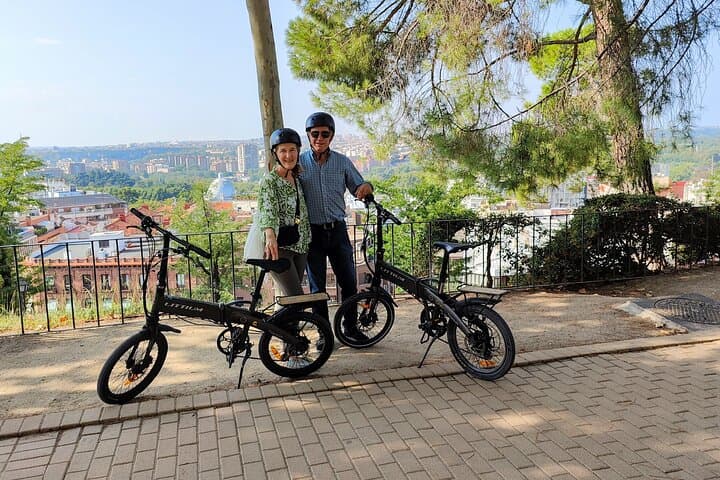
Practical edge: e-bikes let you cover 8–12 km per hour of sightseeing with minimal exertion; expect 2.5–3 hours of riding with frequent stops for photos and short walks. Bring a fitted helmet, charged battery (provided but check state), comfortable shoes, and a small lock. Ride defensively—Madrid’s bike lanes are patched together with city traffic and pedestrian zones, so yield often and plan for brief stops near public transport nodes if you want to extend the day.
easy.
2.5–3 hours.
Suitable for most fitness levels; basic bike balance and short bursts of pedaling are helpful.
Yes—electric assist reduces effort; guides provide basic handling instruction and keep routes easy to follow.
Age policies vary by operator; many require riders to be at least 16 with parental consent or meet local regulations—check booking details.
Most tours start near Temple of Debod or a central Madrid meeting point and finish close to Casa de Campo or central transit stops—confirm exact meeting location on your voucher.
Operators may offer rescheduling or cancellation per policy; bring layers and a rain jacket for light showers as many tours continue in mild rain.
The Temple of Debod was donated to Spain in the 1960s to save it from Nile flooding; Casa de Campo transitioned from royal hunting grounds to public park in the 20th century.
E-biking reduces per-person emissions compared with vehicle tours; stay on marked paths to protect park flora and avoid feeding wildlife.
QIK Tours operates guided outdoor trips and adventures with an emphasis on safety, stewardship, and memorable experiences.
Pedaling onto a Madrid morning, the Temple of Debod rises like an unexpected island of stone against city sky — its blocks cool from night and the park around it breathing green. With an electric assist, the city’s hills open up: a quick climb to Moncloa Lighthouse, a glide through Parque del Oeste where the Atlas cedar leans like an old guide, then across the iron ribs of Puente de los Franceses toward the spread of Casa de Campo and its lake.
Pedaling onto a Madrid morning, the Temple of Debod rises like an unexpected island of stone against city sky — its blocks cool from night and the park around it breathing green. With an electric assist, the city’s hills open up: a quick climb to Moncloa Lighthouse, a glide through Parque del Oeste where the Atlas cedar leans like an old guide, then across the iron ribs of Puente de los Franceses toward the spread of Casa de Campo and its lake.
This ride stitches together Madrid’s layered past: an Egyptian temple reassembled here in the 20th century, 19th-century railway viaducts, and royal hunting grounds that became the city’s largest park. Geologically, you move across the Meseta Central plateau and the small valley carved by the Manzanares River — urban soils of granite and clay that feed the parks’ oaks and ornamental pines.
Culture threads through plazas and monuments: the bear and strawberry tree statue, tapas corners near Puerta de San Vicente, and neighborhoods where locals walk dogs and drink café con leche.
Practical edge: e-bikes let you cover 8–12 km per hour of sightseeing with minimal exertion; expect 2.5–3 hours of riding with frequent stops for photos and short walks. Bring a fitted helmet, charged battery (provided but check state), comfortable shoes, and a small lock. Ride defensively—Madrid’s bike lanes are patched together with city traffic and pedestrian zones, so yield often and plan for brief stops near public transport nodes if you want to extend the day.