THE ADVENTURE COLLECTIVE® · Independent discovery and booking for outdoor travel

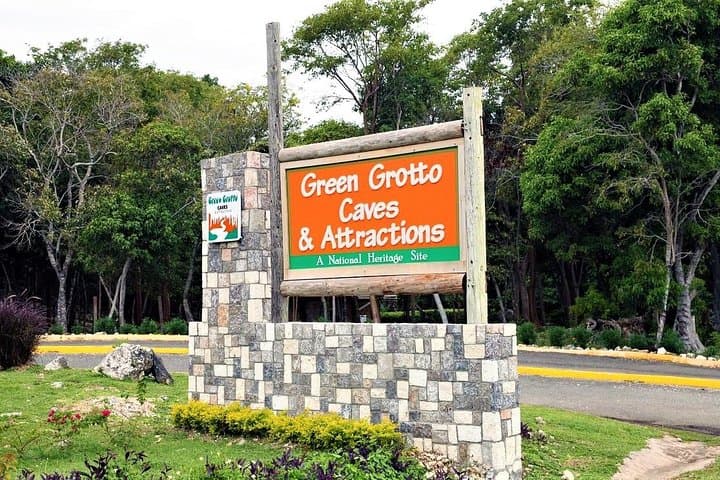
Step beneath the Jamaican coastline into the Green Grotto Caves, where limestone chambers hold Taino artifacts, wartime stories and cool pools. This guided tour from Port Antonio combines easy cave walking with local history and geology.
Step beneath the Jamaican coastline into the Green Grotto Caves, where limestone chambers hold Taino artifacts, wartime stories and cool pools. This guided tour from Port Antonio combines easy cave walking with local history and geology.
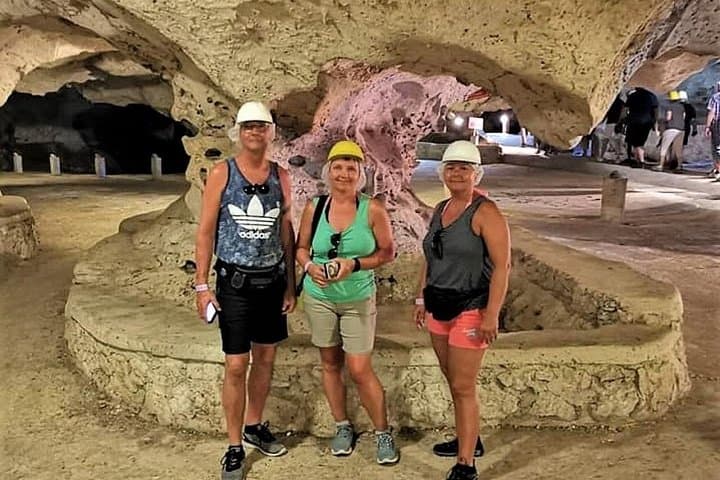
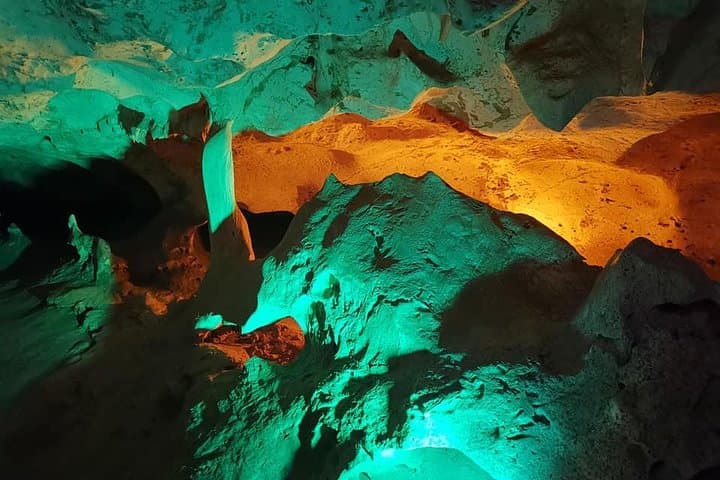
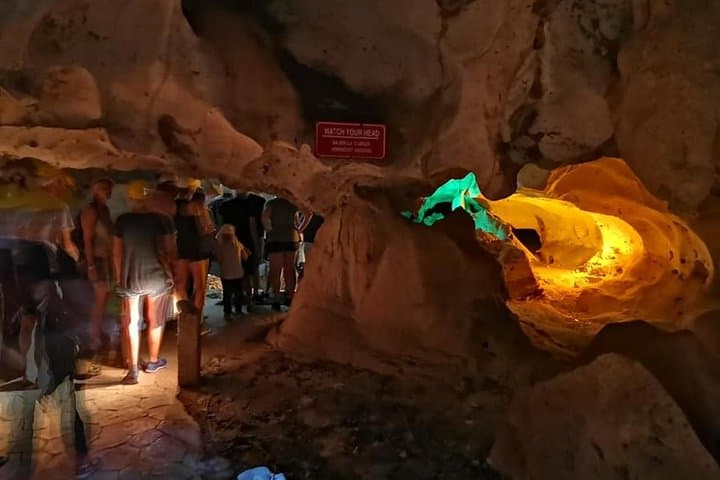
You enter the mouth of the Green Grotto Caves and the air cools, damp stone closing in like the hull of an old ship. Light from your guide’s torch sketches stalactites overhead while distant drips mark the pace. The cave’s chambers open and compress again—each corridor a different voice in the rock.
Verified experiences and guided adventures in the surrounding area.
Operated by El Sol Vida · Runaway Bay, Saint Ann
You enter the mouth of the Green Grotto Caves and the air cools, damp stone closing in like the hull of an old ship. Light from your guide’s torch sketches stalactites overhead while distant drips mark the pace. The cave’s chambers open and compress again—each corridor a different voice in the rock.
Geologically the cave is a limestone karst carved over millennia by seawater and freshwater, with calcite formations and an underground water table that still feeds small pools. Archaeological finds—Taino pottery, rudimentary tools—point to Indigenous use; later the Spanish hid here in the 17th century, and runaway slaves used the caverns as refuge. During World War II rum barrels were stored in the cool halls.
Culturally, the cave sits at an intersection of natural history and human story: guides share oral recollections as they point out tunnels that once linked to Runaway Bay’s sands. Expect bats settled in nooks, slow dripping that sculpts the cave like a patient artisan, and slick, uneven surfaces underfoot.
Practical guidance: tours typically run about 90 minutes inside and require stepping down into low passages and across wet floors—closed-toe shoes and steady footing are essential. Bring water, a light layer for cool interiors, and a camera with a strap (flash photography may be restricted). If you’re joining from Port Antonio the full excursion can be an all-day outing including hotel pickup; plan for transport time.
Respect the formations—don’t touch stalactites—and follow your guide’s instructions. The cave rewards attentive movement: listen to the drips, watch the light land on ancient rock, and let the place tell its layered history.
easy.
8 hours (tour plus travel).
Suitable for most fitness levels; requires walking, a few low stoops and negotiating wet, uneven surfaces.
The guided cave portion is typically about 90 minutes; the full excursion from Port Antonio often runs around 8 hours including transport and pick-up.
No—it's rated easy, suitable for most fitness levels, but expect uneven, wet surfaces and occasional low passages that require stooping.
Children can join; infant seats are available for transport. Note that some passages may be challenging for very young children and strollers are not practical inside the cave.
Yes, but flash photography may be restricted to protect geological features; follow your guide’s directions and secure your device with a strap.
Archaeological finds show Taino occupation; later the Spanish and runaway slaves used the cave for refuge, and WWII-era rum storage reflects more recent practical uses.
The cave’s calcite formations grow very slowly—avoid touching surfaces, stay on paths, and pack out waste to protect fragile ecosystems.
El Sol Vida operates guided outdoor trips and adventures with an emphasis on safety, stewardship, and memorable experiences.
You enter the mouth of the Green Grotto Caves and the air cools, damp stone closing in like the hull of an old ship. Light from your guide’s torch sketches stalactites overhead while distant drips mark the pace. The cave’s chambers open and compress again—each corridor a different voice in the rock.
You enter the mouth of the Green Grotto Caves and the air cools, damp stone closing in like the hull of an old ship. Light from your guide’s torch sketches stalactites overhead while distant drips mark the pace. The cave’s chambers open and compress again—each corridor a different voice in the rock.
Geologically the cave is a limestone karst carved over millennia by seawater and freshwater, with calcite formations and an underground water table that still feeds small pools. Archaeological finds—Taino pottery, rudimentary tools—point to Indigenous use; later the Spanish hid here in the 17th century, and runaway slaves used the caverns as refuge. During World War II rum barrels were stored in the cool halls.
Culturally, the cave sits at an intersection of natural history and human story: guides share oral recollections as they point out tunnels that once linked to Runaway Bay’s sands. Expect bats settled in nooks, slow dripping that sculpts the cave like a patient artisan, and slick, uneven surfaces underfoot.
Practical guidance: tours typically run about 90 minutes inside and require stepping down into low passages and across wet floors—closed-toe shoes and steady footing are essential. Bring water, a light layer for cool interiors, and a camera with a strap (flash photography may be restricted). If you’re joining from Port Antonio the full excursion can be an all-day outing including hotel pickup; plan for transport time.
Respect the formations—don’t touch stalactites—and follow your guide’s instructions. The cave rewards attentive movement: listen to the drips, watch the light land on ancient rock, and let the place tell its layered history.