THE ADVENTURE COLLECTIVE® · Independent discovery and booking for outdoor travel

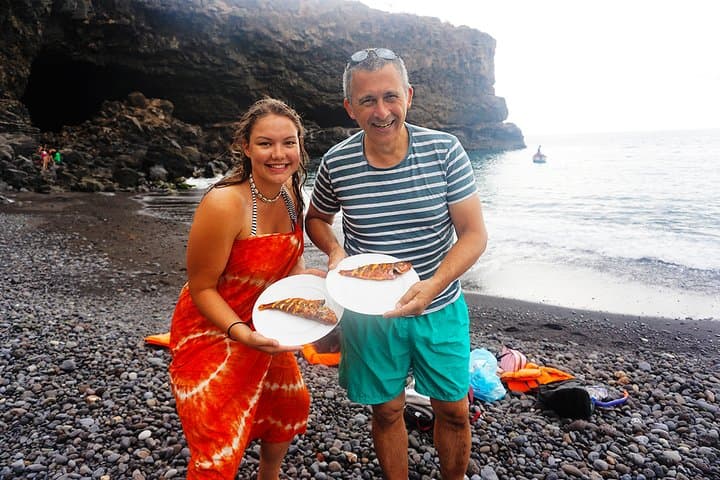
A nine-day loop across Santiago Island that pairs beach caves and BBQs with highland treks and cultural stops in Cidade Velha. Expect volcanic coasts, banana plantations, local rum tastings and a challenging summit hike to Pico D’Antónia.
A nine-day loop across Santiago Island that pairs beach caves and BBQs with highland treks and cultural stops in Cidade Velha. Expect volcanic coasts, banana plantations, local rum tastings and a challenging summit hike to Pico D’Antónia.
You step off the van into a wind that smells of salt and sun-dried grass, the volcanic backbone of Santiago Island rising inland like a dark spine. Morning light slants across green terraces; fishermen repair nets on black sand; a guide points toward a distant cone where morning clouds gather. This is the beginning of a varied nine-day loop that stitches together coastal caves, market streets, banana plantations and highland treks.
Verified experiences and guided adventures in the surrounding area.
Operated by Bu Country Tours · Praia, Santiago
You step off the van into a wind that smells of salt and sun-dried grass, the volcanic backbone of Santiago Island rising inland like a dark spine. Morning light slants across green terraces; fishermen repair nets on black sand; a guide points toward a distant cone where morning clouds gather. This is the beginning of a varied nine-day loop that stitches together coastal caves, market streets, banana plantations and highland treks.
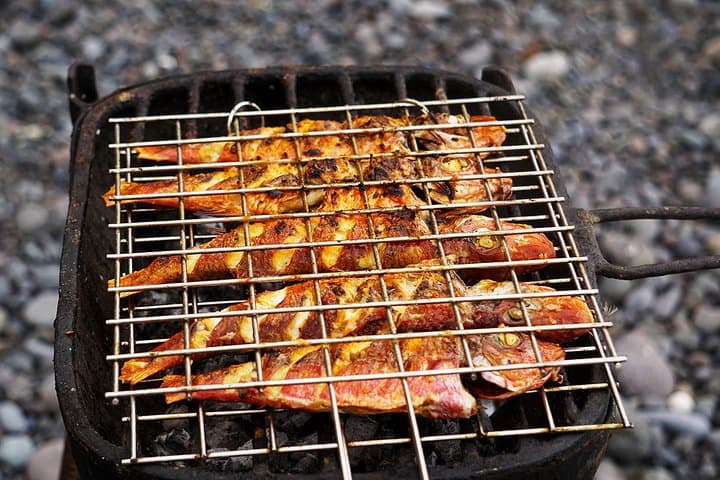
Cidade Velha, a UNESCO site, frames the island’s history — Portuguese forts, the ruins of a cathedral and the painful echoes of the slave trade are visible between narrow streets and seafront walls. Geologically, Santiago is volcanic: basalt cliffs, black sand beaches and steep valleys carved by intermittent rains. Culturally, the trip moves at local pace — markets, rum distilleries and family-run kitchens where cuscuz and katxupa anchor daily life.
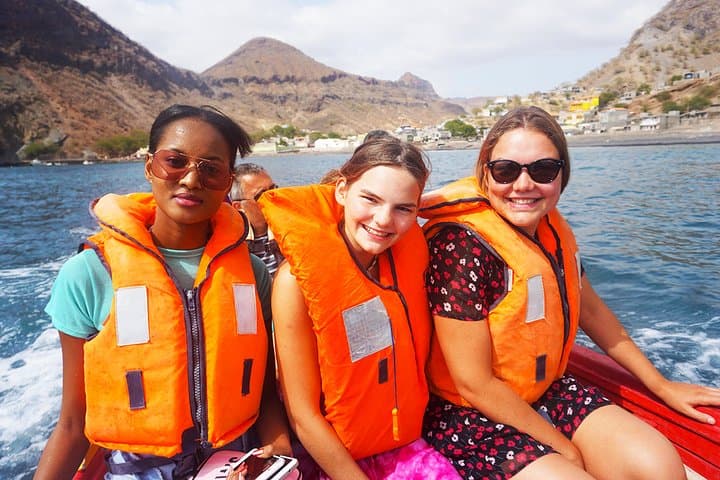
Expect active days: boat trips to sea caves and snorkeling in protected coves, easy-to-moderate valley walks among baobabs, and a challenging ascent to Pico D’Antónia (1,394 m) with about 672 m of ascent and mixed, narrow trail. Guides combine natural history with practical logistics: transfers, lunches and basic accommodations are included, but weather and sea state can alter sequencing. Pack layered clothing, sturdy hiking shoes and reef-safe sunscreen; schedule tougher hikes for cooler mornings. Hydrate frequently — island sun pushes you faster than you think — and leave time for low-key beach afternoons and market browsing. This itinerary suits travelers who want a blend of landscapes and culture, from reef life and black sand beaches to mountain panoramas and village kitchens.
moderate.
9 days.
Good general fitness with at least moderate hiking ability; one difficult day (Pico D’Antónia) requires stronger stamina.
The route involves about 672 m ascent and 4–5 hours walking on narrow, mixed trails; it’s rated difficult—good fitness and steady pace are required.
Most operators provide basic snorkel masks and fins, but you should confirm in advance and consider bringing your own for fit and hygiene.
Yes — the package includes 8 nights of accommodation (listed as 3-star or similar) with hotel pick-up and drop-off for the tours.
Local rum production is seasonal and most active January 1 – May 31; visits may be timed to the production calendar.
Cidade Velha was the first European colonial outpost in the tropics and a key port in the transatlantic slave trade; forts and cathedral ruins reflect that layered past.
Santiago’s ecosystems are fragile—stay on trails, avoid single-use plastics, and support community-run projects and local guides to help preserve landscape and culture.
Bu Country Tours operates guided outdoor trips and adventures with an emphasis on safety, stewardship, and memorable experiences.

You step off the van into a wind that smells of salt and sun-dried grass, the volcanic backbone of Santiago Island rising inland like a dark spine. Morning light slants across green terraces; fishermen repair nets on black sand; a guide points toward a distant cone where morning clouds gather. This is the beginning of a varied nine-day loop that stitches together coastal caves, market streets, banana plantations and highland treks.
You step off the van into a wind that smells of salt and sun-dried grass, the volcanic backbone of Santiago Island rising inland like a dark spine. Morning light slants across green terraces; fishermen repair nets on black sand; a guide points toward a distant cone where morning clouds gather. This is the beginning of a varied nine-day loop that stitches together coastal caves, market streets, banana plantations and highland treks.
Cidade Velha, a UNESCO site, frames the island’s history — Portuguese forts, the ruins of a cathedral and the painful echoes of the slave trade are visible between narrow streets and seafront walls. Geologically, Santiago is volcanic: basalt cliffs, black sand beaches and steep valleys carved by intermittent rains. Culturally, the trip moves at local pace — markets, rum distilleries and family-run kitchens where cuscuz and katxupa anchor daily life.
Expect active days: boat trips to sea caves and snorkeling in protected coves, easy-to-moderate valley walks among baobabs, and a challenging ascent to Pico D’Antónia (1,394 m) with about 672 m of ascent and mixed, narrow trail. Guides combine natural history with practical logistics: transfers, lunches and basic accommodations are included, but weather and sea state can alter sequencing. Pack layered clothing, sturdy hiking shoes and reef-safe sunscreen; schedule tougher hikes for cooler mornings. Hydrate frequently — island sun pushes you faster than you think — and leave time for low-key beach afternoons and market browsing. This itinerary suits travelers who want a blend of landscapes and culture, from reef life and black sand beaches to mountain panoramas and village kitchens.