THE ADVENTURE COLLECTIVE® · Independent discovery and booking for outdoor travel

Walk over bridges, peer into butterfly gardens, and learn about cacao cultivation on a 2–2.5 hour nature trail at Green Eco Park. This accessible rainforest experience mixes wildlife viewing with local conservation projects.
Walk over bridges, peer into butterfly gardens, and learn about cacao cultivation on a 2–2.5 hour nature trail at Green Eco Park. This accessible rainforest experience mixes wildlife viewing with local conservation projects.
You arrive under a broad, humid sky and the rainforest greets you with layered sound: frogs calling from the understory, leaves whispering as a breeze moves through the canopy. The trail at Green Eco Park winds over wooden bridges and along small streams that seem to dare you to slow down and look closer.
Verified experiences and guided adventures in the surrounding area.
Operated by Kwepal Tours · San José, San José
You arrive under a broad, humid sky and the rainforest greets you with layered sound: frogs calling from the understory, leaves whispering as a breeze moves through the canopy. The trail at Green Eco Park winds over wooden bridges and along small streams that seem to dare you to slow down and look closer.
The area sits on volcanic foothills shaped by ancient eruptions and steady tropical weather; soil here feeds cacao plants and supports dense secondary forest. Local culture is present in small-scale cacao cultivation and the park’s volunteer programs that employ seniors and community guides, keeping traditional knowledge alive.
Geology shows in smooth river stones and lateritic soils, while the park’s butterfly garden highlights species common to Costa Rica’s transition zones between lowland and montane forests. Expect interpretive stops—viewpoints that open onto valley vistas, shaded rest areas, and simple bridges that bring you over clear riffles.
Practical guidance: the route is family-friendly and flat to gently rolling—about 2–2.5 hours on marked paths with short boardwalk sections. Wear grippy shoes, bring sun protection and a light rain layer (the forest carries its own microclimate), and carry your included water bottle and snacks between stops. Morning visits maximize wildlife activity and avoid afternoon rain; guides point out birds, butterflies, cacao trees, and conservation work supported by your ticket. The experience is low-impact—stick to the paths, pack out waste, and use binoculars rather than entering fenced habitats.
Green Eco Park is a straightforward, sensory introduction to Costa Rica’s rainforest rhythms—quiet enough to observe, accessible enough for families, and focused on local stewardship.
easy.
2–2.5 hours.
Suitable for most fitness levels; basic walking stamina for several unpaved sections is helpful.
The tour runs about 135 minutes (roughly 2–2.5 hours) including interpretive stops and viewpoints.
Yes—paths are family-friendly and stroller-accessible on main sections, but some uneven surfaces can be wet after rain.
Fruits and a water bottle are included; bring any additional snacks if you have specific dietary needs.
Photography is encouraged; do not handle butterflies or enter fenced habitats—viewing without touching protects wildlife.
The park occupies land shaped by volcanic soils and smallholder agriculture; local initiatives use ecotourism revenue to support elders and community projects.
Visits fund habitat restoration and community programs—stick to paths and minimize plastic use to reduce impact.
Kwepal Tours operates guided outdoor trips and adventures with an emphasis on safety, stewardship, and memorable experiences.

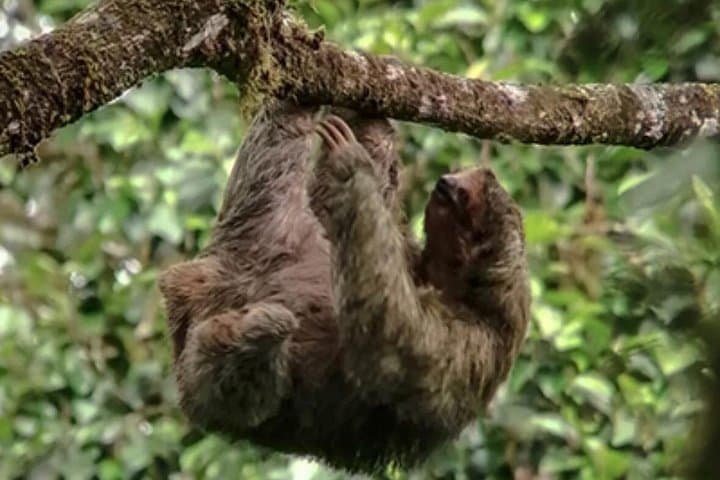
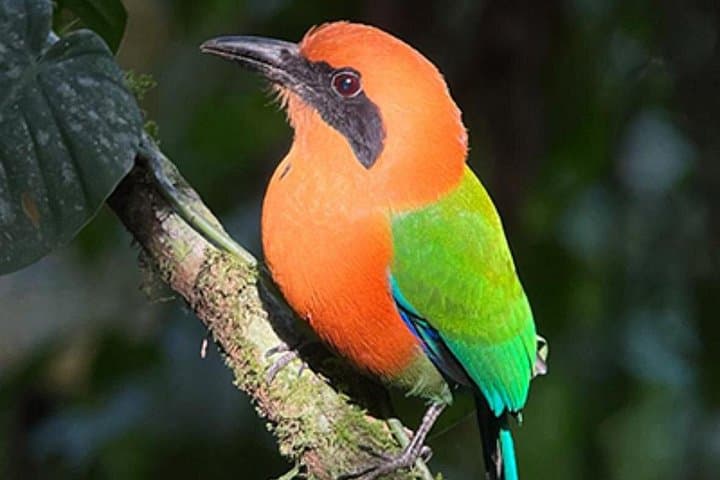
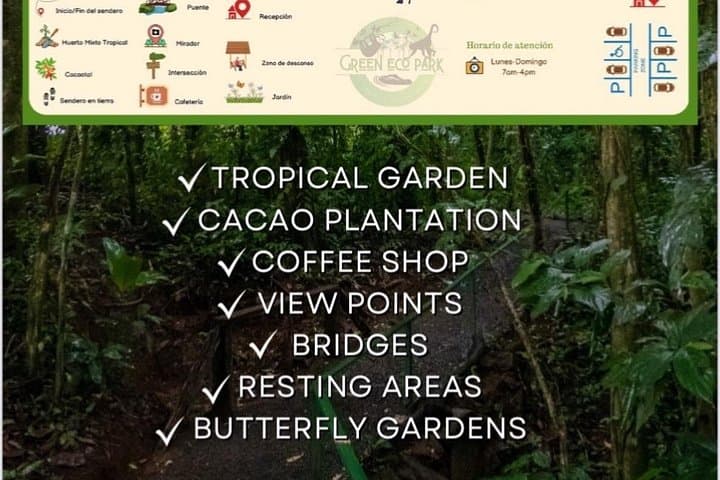
You arrive under a broad, humid sky and the rainforest greets you with layered sound: frogs calling from the understory, leaves whispering as a breeze moves through the canopy. The trail at Green Eco Park winds over wooden bridges and along small streams that seem to dare you to slow down and look closer.
You arrive under a broad, humid sky and the rainforest greets you with layered sound: frogs calling from the understory, leaves whispering as a breeze moves through the canopy. The trail at Green Eco Park winds over wooden bridges and along small streams that seem to dare you to slow down and look closer.
The area sits on volcanic foothills shaped by ancient eruptions and steady tropical weather; soil here feeds cacao plants and supports dense secondary forest. Local culture is present in small-scale cacao cultivation and the park’s volunteer programs that employ seniors and community guides, keeping traditional knowledge alive.
Geology shows in smooth river stones and lateritic soils, while the park’s butterfly garden highlights species common to Costa Rica’s transition zones between lowland and montane forests. Expect interpretive stops—viewpoints that open onto valley vistas, shaded rest areas, and simple bridges that bring you over clear riffles.
Practical guidance: the route is family-friendly and flat to gently rolling—about 2–2.5 hours on marked paths with short boardwalk sections. Wear grippy shoes, bring sun protection and a light rain layer (the forest carries its own microclimate), and carry your included water bottle and snacks between stops. Morning visits maximize wildlife activity and avoid afternoon rain; guides point out birds, butterflies, cacao trees, and conservation work supported by your ticket. The experience is low-impact—stick to the paths, pack out waste, and use binoculars rather than entering fenced habitats.
Green Eco Park is a straightforward, sensory introduction to Costa Rica’s rainforest rhythms—quiet enough to observe, accessible enough for families, and focused on local stewardship.