THE ADVENTURE COLLECTIVE® · Independent discovery and booking for outdoor travel

Learn traditional Greek dances where the country’s steps are preserved live: a 90-minute lesson at Dora Stratou Theatre pairs instruction with cultural context. Expect active, beginner-friendly teaching by professional dancers in English.
Learn traditional Greek dances where the country’s steps are preserved live: a 90-minute lesson at Dora Stratou Theatre pairs instruction with cultural context. Expect active, beginner-friendly teaching by professional dancers in English.
You step into an open-air courtyard where the wooden stage waits like an invitation — the Dora Stratou Theatre fills with the dry warmth of Athenian stone and a breeze that seems to keep time.
Verified experiences and guided adventures in the surrounding area.
Operated by Let's Book Travel · Athens, Attica
You step into an open-air courtyard where the wooden stage waits like an invitation — the Dora Stratou Theatre fills with the dry warmth of Athenian stone and a breeze that seems to keep time.
Since 1953 Dora Stratou has acted as a living museum of Greek dance, preserving village steps and island rhythms exactly as they were performed. The theatre’s program grew from extensive fieldwork; researchers and dancers have cataloged regional styles so the movements you learn are anchored in social history as much as in steps.
Geology and city meet here: the theatre sits on the slopes below the Acropolis where sun-baked limestone and marble define sightlines; the Aegean’s influence is obvious in relaxed island steps, while inland dances reflect the sharper, faster footwork born in mountain villages.
A typical 90-minute lesson, led by professional dancers in English, covers basic patterns, rhythm counts, and partner work, then places the moves in cultural context — why a dance uses a circle here, or a slow close-step there. Classes are active: expect standing, repeated footwork, and simple choreography culminating in a souvenir diploma.
Practical guidance: wear flat, flexible shoes with grip, bring water and a small towel, and arrive 10–15 minutes early to warm up. Public transit reaches the area easily; classes suit beginners with moderate fitness. Respect local customs — ask before photographing performers and follow instructors’ guidance on partner touches. For travelers wanting a compact cultural immersion, a Dora Stratou lesson pairs history, music, and movement into one accessible, skill-building hour and a half.
moderate.
1–1.5 hours.
Moderate — participants should be comfortable standing, stepping in rhythm, and doing short bursts of repetitive movement.
No — classes are tailored for beginners and focus on basic steps, rhythm, and simple partner work.
Lessons for tourists are typically taught in English by professional dancers; confirm when booking.
Ask the instructor before photographing; performances may have different rules, and respectful behavior is expected.
According to the booking terms, cancel at least 24 hours before the start time for a full refund.
Dora Stratou founded the theatre in 1953 to preserve regional Greek dances; the institution continues to document and perform traditional repertoires.
The theatre preserves intangible cultural heritage through research and performance; visitors are encouraged to support respectful cultural tourism and local artisans.
Let's Book Travel operates guided outdoor trips and adventures with an emphasis on safety, stewardship, and memorable experiences.
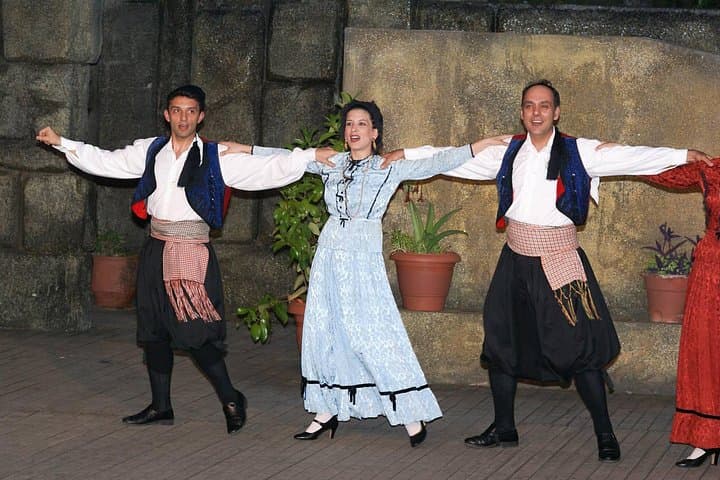
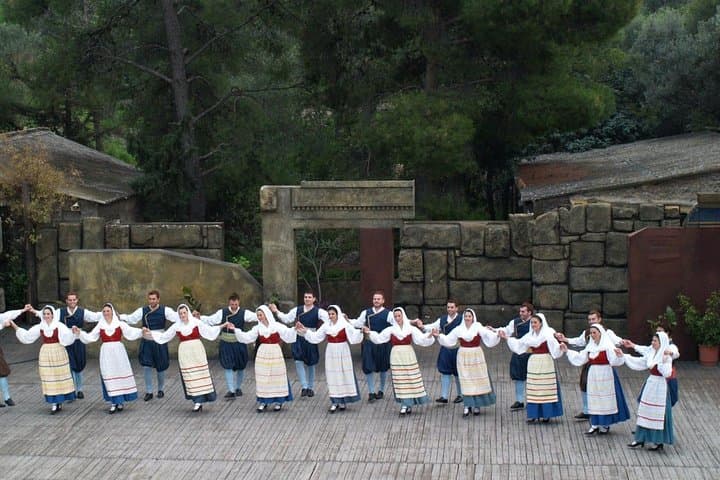
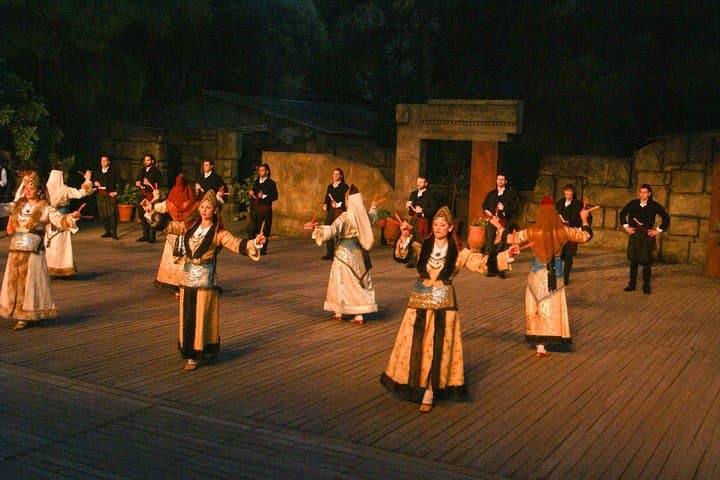
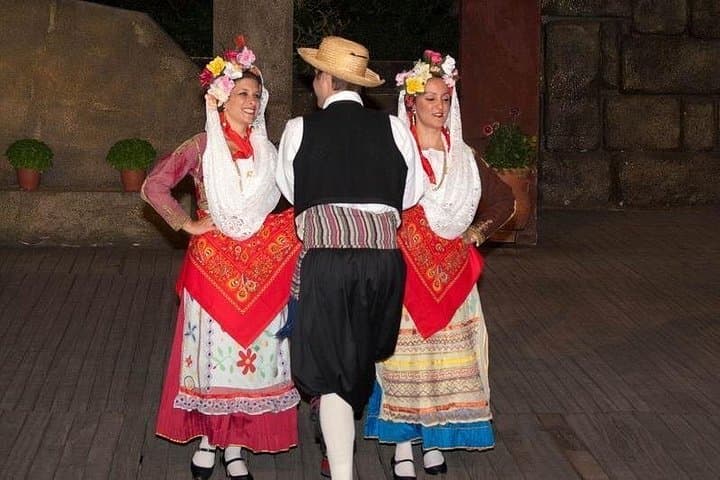
You step into an open-air courtyard where the wooden stage waits like an invitation — the Dora Stratou Theatre fills with the dry warmth of Athenian stone and a breeze that seems to keep time.
You step into an open-air courtyard where the wooden stage waits like an invitation — the Dora Stratou Theatre fills with the dry warmth of Athenian stone and a breeze that seems to keep time.
Since 1953 Dora Stratou has acted as a living museum of Greek dance, preserving village steps and island rhythms exactly as they were performed. The theatre’s program grew from extensive fieldwork; researchers and dancers have cataloged regional styles so the movements you learn are anchored in social history as much as in steps.
Geology and city meet here: the theatre sits on the slopes below the Acropolis where sun-baked limestone and marble define sightlines; the Aegean’s influence is obvious in relaxed island steps, while inland dances reflect the sharper, faster footwork born in mountain villages.
A typical 90-minute lesson, led by professional dancers in English, covers basic patterns, rhythm counts, and partner work, then places the moves in cultural context — why a dance uses a circle here, or a slow close-step there. Classes are active: expect standing, repeated footwork, and simple choreography culminating in a souvenir diploma.
Practical guidance: wear flat, flexible shoes with grip, bring water and a small towel, and arrive 10–15 minutes early to warm up. Public transit reaches the area easily; classes suit beginners with moderate fitness. Respect local customs — ask before photographing performers and follow instructors’ guidance on partner touches. For travelers wanting a compact cultural immersion, a Dora Stratou lesson pairs history, music, and movement into one accessible, skill-building hour and a half.