THE ADVENTURE COLLECTIVE® · Independent discovery and booking for outdoor travel

Cross the Chacao Channel and spend a full day discovering Chiloé’s wooden churches, palafitos, and artisan markets. This guided tour from Puerto Varas pairs cultural sites in Ancud, Castro and Dalcahue with ferry crossings and scenic viewpoints.
Cross the Chacao Channel and spend a full day discovering Chiloé’s wooden churches, palafitos, and artisan markets. This guided tour from Puerto Varas pairs cultural sites in Ancud, Castro and Dalcahue with ferry crossings and scenic viewpoints.
You step onto the ferry as the Chacao Channel opens like a wide, gray throat and the islands of Chiloé begin to rise—low, green, and edged with weathered docks. The wind pushes at your jacket while gulls wheel overhead; by midmorning you'll be exploring cobbled plazas, wooden churches, and houses on stilts that lean into the tide.
Verified experiences and guided adventures in the surrounding area.
Operated by Tangol · Puerto Varas, Los Lagos Region
You step onto the ferry as the Chacao Channel opens like a wide, gray throat and the islands of Chiloé begin to rise—low, green, and edged with weathered docks. The wind pushes at your jacket while gulls wheel overhead; by midmorning you'll be exploring cobbled plazas, wooden churches, and houses on stilts that lean into the tide.
Geology here reflects a maritime past: glacial carving and marine terraces create rolling lowlands and sheltered bays around the Isla Grande de Chiloé. Culturally the island keeps its own cadence—Mapuche and Spanish colonial threads meet in the unique Chilote folklore, and the island’s wooden churches are part of a UNESCO group celebrated for local carpentry and community construction methods.
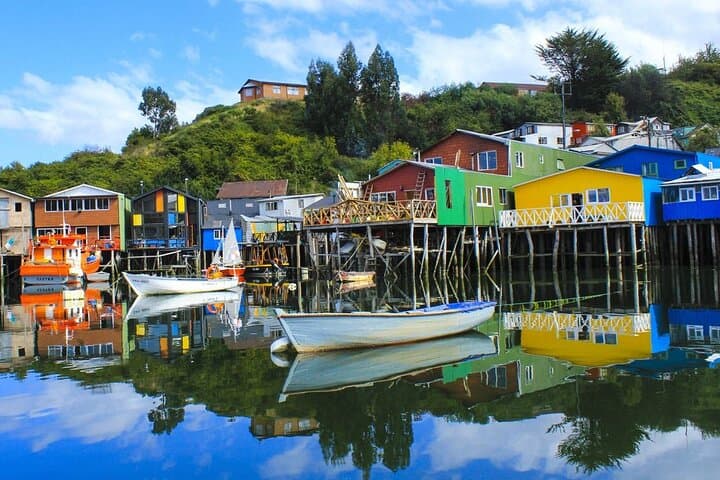
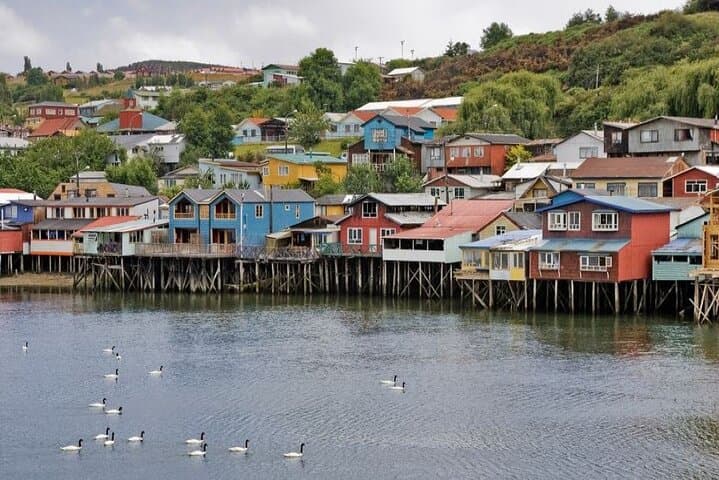
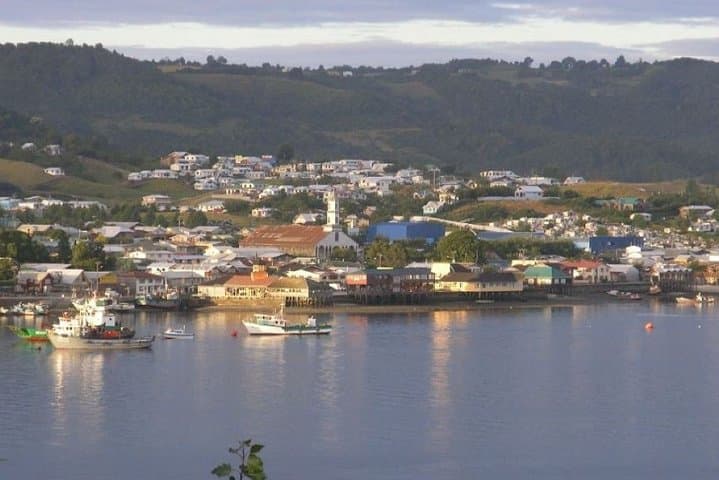
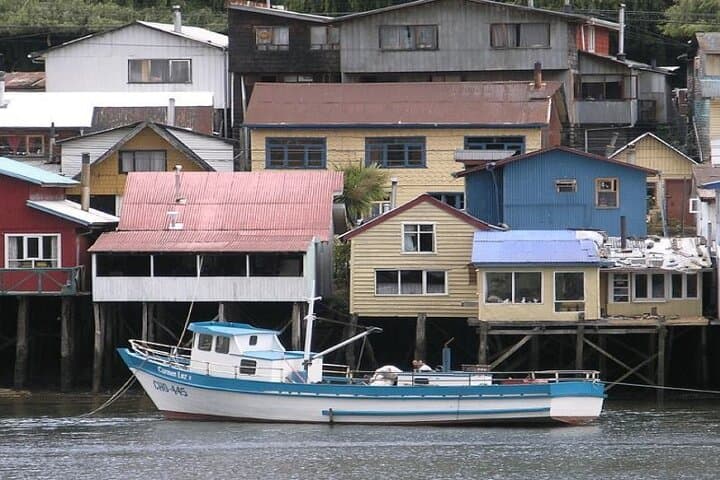
The tour visits Ancud—home to the Fort of San Antonio and a local market—then Castro, where palafitos (stilt houses) line the water and viewpoints overlook tidal flats. Dalcahue’s craft fair and church showcase regional weaving and smoked seafood traditions. Expect narrated stops, photo viewpoints, and a lunch break at a local comedor (lunch not included).
Practical guidance: the full itinerary runs roughly 10–12 hours including ferry crossings; bring layered rain protection and cash for markets and small museums. Paths in towns are mostly flat but uneven; comfortable walking shoes and a daypack with water make the day smoother. If you’re prone to seasickness, plan meds ahead—channel crossings can be choppy. With sensible prep, this day tour packs island history, tangible local culture, and coastal scenery into a single, manageable outing.
easy.
10–12 hours.
Suitable for average fitness; mostly easy walking with some uneven surfaces and short stair sections.
The tour runs about 10–12 hours and includes ferry navigation, hotel pickup/drop-off from central Puerto Varas hotels, a professional guide, and stops in Ancud, Castro and Dalcahue; lunch and entrance fees are typically not included.
Many historic wooden churches are open but can be closed on Mondays or for services—check timing with your guide and bring modest clothing for entering sacred sites.
Yes; the tour is rated easy with mostly flat walking, but it involves a full day with transfers and some stairs—plan rest breaks and consider mobility limits.
Access varies: town centers have cobbles and wooden walkways that can be difficult for wheelchairs or strollers—contact the operator ahead to confirm accessibility at specific stops.
Chiloé’s culture blends indigenous Mapuche traditions with Spanish colonial influence; its wooden churches are community-built and many are UNESCO-listed for their vernacular architecture.
Tidal flats and nearshore habitats are ecologically sensitive—avoid disturbing nesting birds, take all trash with you, and support local artisans instead of souvenir plastic.
Tangol operates guided outdoor trips and adventures with an emphasis on safety, stewardship, and memorable experiences.
You step onto the ferry as the Chacao Channel opens like a wide, gray throat and the islands of Chiloé begin to rise—low, green, and edged with weathered docks. The wind pushes at your jacket while gulls wheel overhead; by midmorning you'll be exploring cobbled plazas, wooden churches, and houses on stilts that lean into the tide.
You step onto the ferry as the Chacao Channel opens like a wide, gray throat and the islands of Chiloé begin to rise—low, green, and edged with weathered docks. The wind pushes at your jacket while gulls wheel overhead; by midmorning you'll be exploring cobbled plazas, wooden churches, and houses on stilts that lean into the tide.
Geology here reflects a maritime past: glacial carving and marine terraces create rolling lowlands and sheltered bays around the Isla Grande de Chiloé. Culturally the island keeps its own cadence—Mapuche and Spanish colonial threads meet in the unique Chilote folklore, and the island’s wooden churches are part of a UNESCO group celebrated for local carpentry and community construction methods.
The tour visits Ancud—home to the Fort of San Antonio and a local market—then Castro, where palafitos (stilt houses) line the water and viewpoints overlook tidal flats. Dalcahue’s craft fair and church showcase regional weaving and smoked seafood traditions. Expect narrated stops, photo viewpoints, and a lunch break at a local comedor (lunch not included).
Practical guidance: the full itinerary runs roughly 10–12 hours including ferry crossings; bring layered rain protection and cash for markets and small museums. Paths in towns are mostly flat but uneven; comfortable walking shoes and a daypack with water make the day smoother. If you’re prone to seasickness, plan meds ahead—channel crossings can be choppy. With sensible prep, this day tour packs island history, tangible local culture, and coastal scenery into a single, manageable outing.