THE ADVENTURE COLLECTIVE® · Independent discovery and booking for outdoor travel

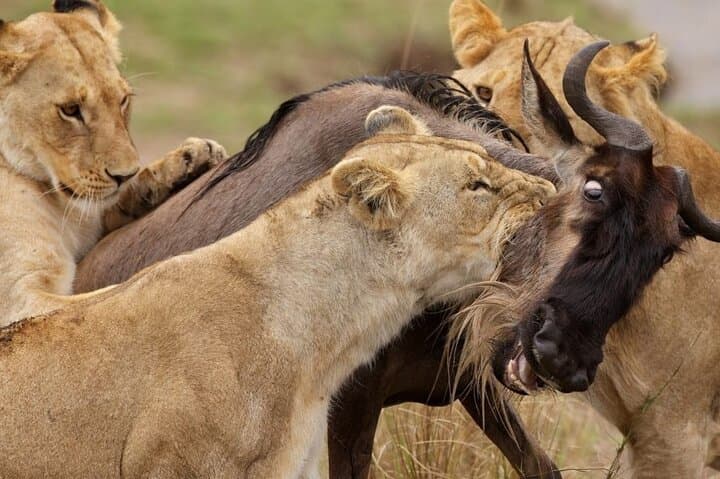
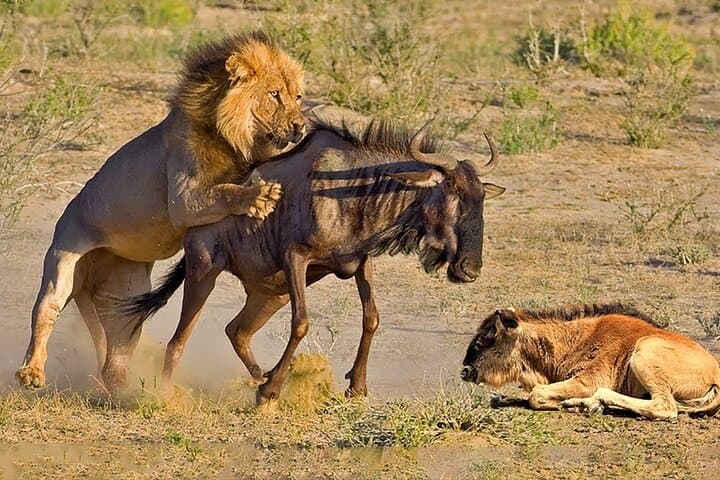
Witness one of nature’s great spectacles on a four-day Masai Mara safari timed for the wildebeest migration. Expect long game drives, river crossings, and expert guides who know where the big cats hunt.
Witness one of nature’s great spectacles on a four-day Masai Mara safari timed for the wildebeest migration. Expect long game drives, river crossings, and expert guides who know where the big cats hunt.
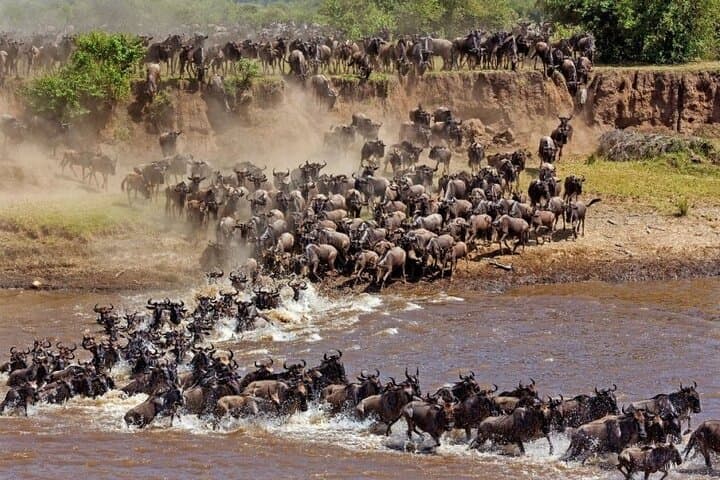
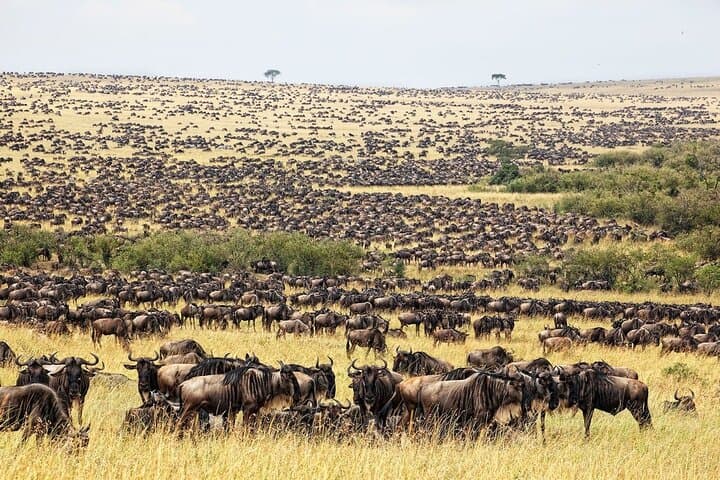
Dust from the dusty track rises as the convoy crests a flat ridge and the Mara opens in front of you — tall grass, scattered acacia, and a horizon threaded with thousands of moving shapes. The first sight of wildebeest and zebra folding into a migration river crossing hits the senses: noise, thundering hooves, and the sudden stillness when crocodiles wait beneath the current.
Verified experiences and guided adventures in the surrounding area.
Operated by Divulge Adventures · Masai Mara National Reserve, Narok County
Dust from the dusty track rises as the convoy crests a flat ridge and the Mara opens in front of you — tall grass, scattered acacia, and a horizon threaded with thousands of moving shapes. The first sight of wildebeest and zebra folding into a migration river crossing hits the senses: noise, thundering hooves, and the sudden stillness when crocodiles wait beneath the current.
Masai Mara National Reserve sits on the Kenyan side of an ancient savanna that continues into Tanzania’s Serengeti. The reserve was set aside in the 1960s and takes its name from the Maasai people and the Maasai word “mara,” meaning spotted — a plain freckled with shadows from passing clouds and wildlife. Geologically the Mara is a sweeping, gently rolling plain cut by seasonal rivers; culturally it remains intertwined with Maasai communities and conservancies that manage grazing and tourism.
On a four-day safari expect early starts, long game drives from a 4x4, picnic breakfasts in the bush, and evenings at a 4-star camp. Guides focus on predator-prey dynamics and river crossings during the July–September peak migration, but wildlife viewing runs year-round. Optional hot-air balloon flights add a quiet, aerial perspective at dawn.
Practical tips: pack layers for cool mornings, carry binoculars and sun protection, and be ready for dusty roads and vehicle-based game viewing. Respect park regulations and local communities — their management keeps migration corridors open. With sensible preparation this safari delivers some of Africa’s most elemental wildlife drama.
easy.
4 days.
Low-intensity fitness needed; you should be comfortable with long vehicle rides, short walks, and occasional uneven ground.
The prime window is July through September when millions cross the Mara River; timing can vary year to year, so check current reports before booking.
Balloon safaris are typically optional and booked separately; the itinerary mentions availability on day three as an extra experience.
Travelers should check Kenya’s visa requirements and consult a travel health clinic for recommended vaccinations and malaria prophylaxis well before departure.
Many camps and vehicles offer basic accessibility, and this operator lists wheelchair-accessible transport and surfaces, but confirm specific needs with the supplier before booking.
Masai Mara was formally protected in the 1960s and takes its name from the Maasai people; the reserve’s boundaries and community conservancies shape how migratory routes are maintained.
Conservation here focuses on protecting migration corridors, anti-poaching patrols, and partnerships with Maasai-run conservancies that balance grazing with wildlife protection.
Divulge Adventures operates guided outdoor trips and adventures with an emphasis on safety, stewardship, and memorable experiences.
Dust from the dusty track rises as the convoy crests a flat ridge and the Mara opens in front of you — tall grass, scattered acacia, and a horizon threaded with thousands of moving shapes. The first sight of wildebeest and zebra folding into a migration river crossing hits the senses: noise, thundering hooves, and the sudden stillness when crocodiles wait beneath the current.
Dust from the dusty track rises as the convoy crests a flat ridge and the Mara opens in front of you — tall grass, scattered acacia, and a horizon threaded with thousands of moving shapes. The first sight of wildebeest and zebra folding into a migration river crossing hits the senses: noise, thundering hooves, and the sudden stillness when crocodiles wait beneath the current.
Masai Mara National Reserve sits on the Kenyan side of an ancient savanna that continues into Tanzania’s Serengeti. The reserve was set aside in the 1960s and takes its name from the Maasai people and the Maasai word “mara,” meaning spotted — a plain freckled with shadows from passing clouds and wildlife. Geologically the Mara is a sweeping, gently rolling plain cut by seasonal rivers; culturally it remains intertwined with Maasai communities and conservancies that manage grazing and tourism.
On a four-day safari expect early starts, long game drives from a 4x4, picnic breakfasts in the bush, and evenings at a 4-star camp. Guides focus on predator-prey dynamics and river crossings during the July–September peak migration, but wildlife viewing runs year-round. Optional hot-air balloon flights add a quiet, aerial perspective at dawn.
Practical tips: pack layers for cool mornings, carry binoculars and sun protection, and be ready for dusty roads and vehicle-based game viewing. Respect park regulations and local communities — their management keeps migration corridors open. With sensible preparation this safari delivers some of Africa’s most elemental wildlife drama.