THE ADVENTURE COLLECTIVE® · Independent discovery and booking for outdoor travel

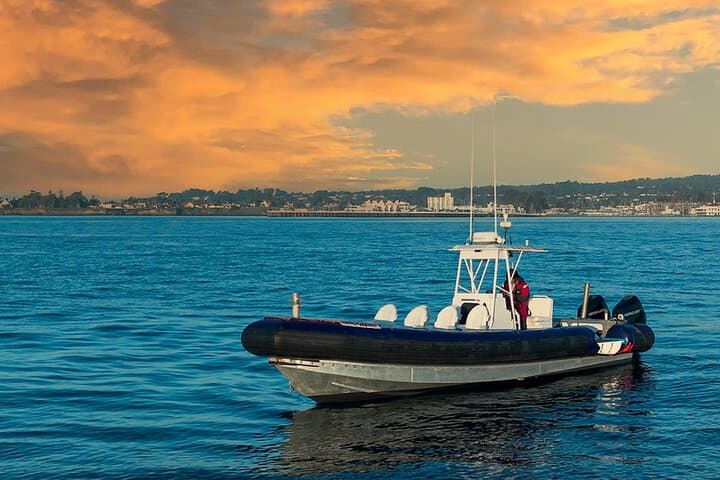
Observe great white sharks from a low-profile six-seat vessel in Monterey Bay, where upwelling and submarine canyons draw marine predators close to shore. Small groups, a licensed captain and a naturalist make this a focused wildlife encounter best in late spring through summer.
Observe great white sharks from a low-profile six-seat vessel in Monterey Bay, where upwelling and submarine canyons draw marine predators close to shore. Small groups, a licensed captain and a naturalist make this a focused wildlife encounter best in late spring through summer.
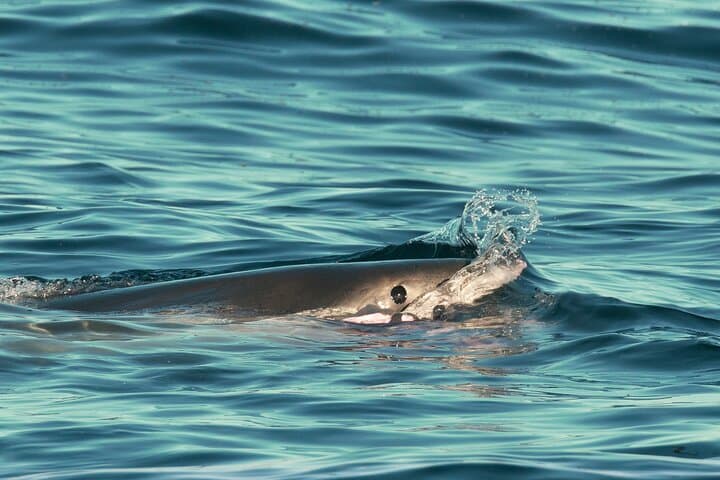
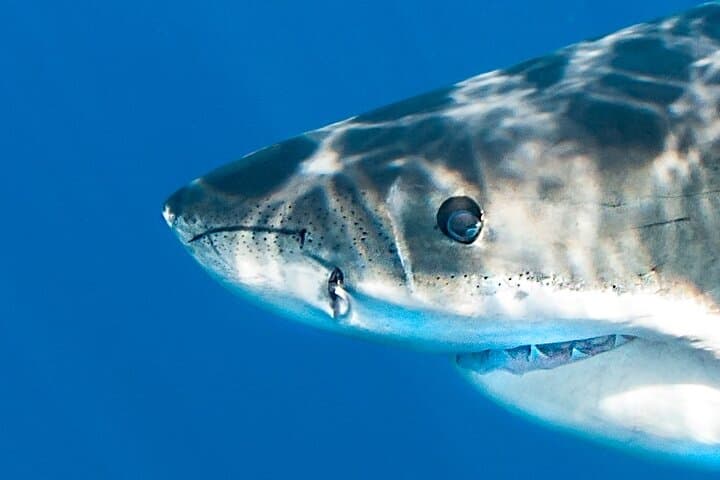
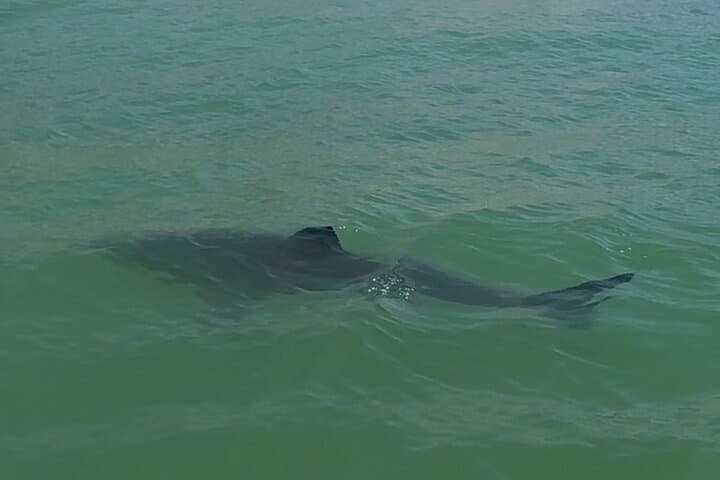
The swell pushes the bow up, and for a brief, electric second the water parts to reveal a juvenile great white cruising along the surface — curious, deliberate, almost conversational in its movements. From a low-profile six-seat vessel out of Santa Cruz, observers get a close, unobstructed view of Monterey Bay’s marine cast: porpoises slicing through slicks of sun, sea lions bobbing like corks, and whales that roll and blow in the distance.
Verified experiences and guided adventures in the surrounding area.
Operated by Ocean Safaris · Santa Cruz, California
The swell pushes the bow up, and for a brief, electric second the water parts to reveal a juvenile great white cruising along the surface — curious, deliberate, almost conversational in its movements. From a low-profile six-seat vessel out of Santa Cruz, observers get a close, unobstructed view of Monterey Bay’s marine cast: porpoises slicing through slicks of sun, sea lions bobbing like corks, and whales that roll and blow in the distance.
Monterey Bay sits on the edge of the continental shelf where cold, nutrient-rich upwelling fuels a food web that has supported indigenous peoples and commercial fisheries for millennia. The rocky coastline and submarine canyons create deep-water channels close to shore, explaining why large predators like great whites appear here regularly between spring and early fall when juveniles patrol shallower, warmer water.
This is a natural-history outing as much as a thrill: a licensed captain and naturalist narrate behavior, anatomy, and ecosystem connections while keeping procedures tight for safety. Expect relatively short bursts of high excitement between long, contemplative watches — scanning the horizon, tracking dorsal fins, and photographing sudden surface interactions.
Practical guidance: boats are small and seats have backrests — wear windproof layers and non-slip shoes, bring binoculars and a camera with a zoom, and plan for seasickness prevention if you’re sensitive. Tours run about 2.5 hours, best May–September for topside shark activity; mornings are typically calmer. Be prepared for quick changes in weather and limited restroom access; the experience rewards patience with memorable, up-close marine life sightings.
easy.
2–3 hours.
Basic mobility to board a small boat and remain seated or steady on deck for up to 3 hours; no hiking fitness required
Sightings are common, especially May–September when juveniles frequent shallower bays; operators report regular topside encounters but wildlife sightings are never guaranteed.
Yes — small groups and seating make it accessible, but guardians should consider age, sea-sickness risk, and the unpredictability of wildlife for very young children.
Trips are canceled or rescheduled for safety in heavy wind or poor visibility; check cancellation policies and consider flexible plans.
Space is limited; guests have assigned seats with backrests and may move briefly on deck under captain direction, but most of the trip is experienced sitting and scanning the water.
Monterey Bay’s fisheries and whaling history shaped local maritime culture; the bay’s underwater canyons have long attracted scientists studying rich upwelling systems.
Respect marine wildlife guidelines: keep noise and distance minimal, follow crew instructions, and avoid feeding or attempting to touch animals to reduce stress and injury risk.
Ocean Safaris operates guided outdoor trips and adventures with an emphasis on safety, stewardship, and memorable experiences.
The swell pushes the bow up, and for a brief, electric second the water parts to reveal a juvenile great white cruising along the surface — curious, deliberate, almost conversational in its movements. From a low-profile six-seat vessel out of Santa Cruz, observers get a close, unobstructed view of Monterey Bay’s marine cast: porpoises slicing through slicks of sun, sea lions bobbing like corks, and whales that roll and blow in the distance.
The swell pushes the bow up, and for a brief, electric second the water parts to reveal a juvenile great white cruising along the surface — curious, deliberate, almost conversational in its movements. From a low-profile six-seat vessel out of Santa Cruz, observers get a close, unobstructed view of Monterey Bay’s marine cast: porpoises slicing through slicks of sun, sea lions bobbing like corks, and whales that roll and blow in the distance.
Monterey Bay sits on the edge of the continental shelf where cold, nutrient-rich upwelling fuels a food web that has supported indigenous peoples and commercial fisheries for millennia. The rocky coastline and submarine canyons create deep-water channels close to shore, explaining why large predators like great whites appear here regularly between spring and early fall when juveniles patrol shallower, warmer water.
This is a natural-history outing as much as a thrill: a licensed captain and naturalist narrate behavior, anatomy, and ecosystem connections while keeping procedures tight for safety. Expect relatively short bursts of high excitement between long, contemplative watches — scanning the horizon, tracking dorsal fins, and photographing sudden surface interactions.
Practical guidance: boats are small and seats have backrests — wear windproof layers and non-slip shoes, bring binoculars and a camera with a zoom, and plan for seasickness prevention if you’re sensitive. Tours run about 2.5 hours, best May–September for topside shark activity; mornings are typically calmer. Be prepared for quick changes in weather and limited restroom access; the experience rewards patience with memorable, up-close marine life sightings.