THE ADVENTURE COLLECTIVE® · Independent discovery and booking for outdoor travel

An hour-long, on-land introduction to Sri Lanka’s whales and dolphins delivered by an experienced local educator in Matara. Ideal for families and travelers who want context before booking a live whale-watch in nearby Mirissa.
An hour-long, on-land introduction to Sri Lanka’s whales and dolphins delivered by an experienced local educator in Matara. Ideal for families and travelers who want context before booking a live whale-watch in nearby Mirissa.
Sea spray and salt-light hang in the air outside Matara as a small classroom gathers to talk about giants of the deep. The Great Whales Education Programme seats visitors where ocean science meets local knowledge: an hour-long talk that translates the rhythm of Sri Lanka’s southern currents into why blue whales and several dolphin species visit these waters.
Verified experiences and guided adventures in the surrounding area.
Operated by Great Whales · Matara, Southern Province
Sea spray and salt-light hang in the air outside Matara as a small classroom gathers to talk about giants of the deep. The Great Whales Education Programme seats visitors where ocean science meets local knowledge: an hour-long talk that translates the rhythm of Sri Lanka’s southern currents into why blue whales and several dolphin species visit these waters.
The southern coastline’s steep continental shelf and seasonal upwelling concentrate plankton and prey, creating one of the world’s reliable blue whale feeding grounds. Commercial whale-watching developed here in the late 20th century around Mirissa and Matara, and local boat communities and educators now anchor a seasonal tourism economy that balances observation and tradition.
Expect a practical session led by an experienced guide that covers common species, sighting patterns, safe watching techniques and how operators choose boats and timings. There’s time for questions, light refreshments and locally made whale-and-dolphin souvenirs.
Plan to attend in the morning when operators report calmer seas; bring sun protection and a note-taking device if you’re keen to follow up with a boat trip. The programme is family-friendly and accessible to most visitors, but pair it with a morning whale-watch from Mirissa to turn classroom learning into real-world sightings. Respect local guidelines—watching from a distance helps protect animals and ensures the tour remains sustainable for coastal communities.
easy.
1 hour.
Suitable for all fitness levels; primarily seated with short walks to facilities
No — this is an on-land one-hour education programme in Matara designed to explain whales and dolphins in Sri Lankan waters; live boat trips are sold separately.
It’s family-friendly and accessible to all ages and fitness levels; content is tailored for tourists, students and first-time whale-watchers.
The main season for blue whales off Sri Lanka’s south coast is generally November to April; mornings tend to offer calmer seas.
Yes — organisers typically help guests book separate Mirissa whale- and dolphin-watching trips after the session and can advise on reputable operators.
Whale- and dolphin-watching on Sri Lanka’s southern coast expanded in the late 20th century as small boat operators and coastal communities adapted to growing tourism demand.
Operators here follow basic responsible-watching practices; choosing guides who prioritize distance and minimal disturbance helps protect animals and supports long-term tourism.
Great Whales operates guided outdoor trips and adventures with an emphasis on safety, stewardship, and memorable experiences.
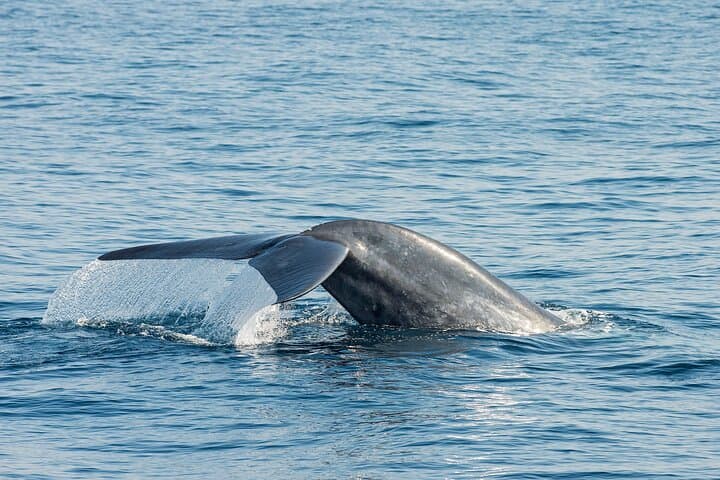
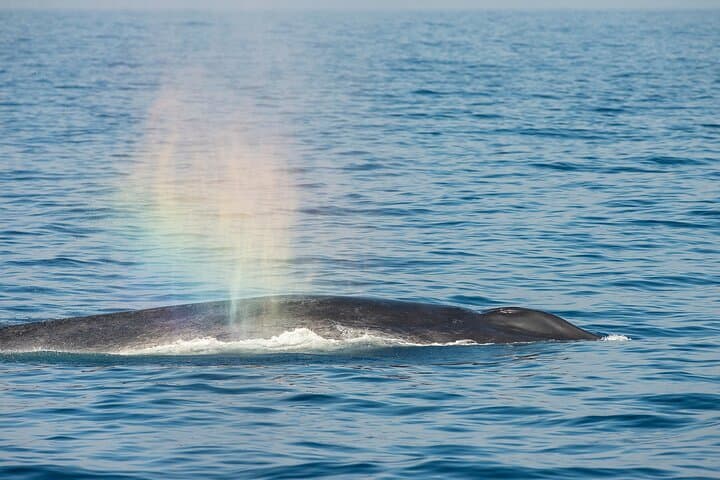
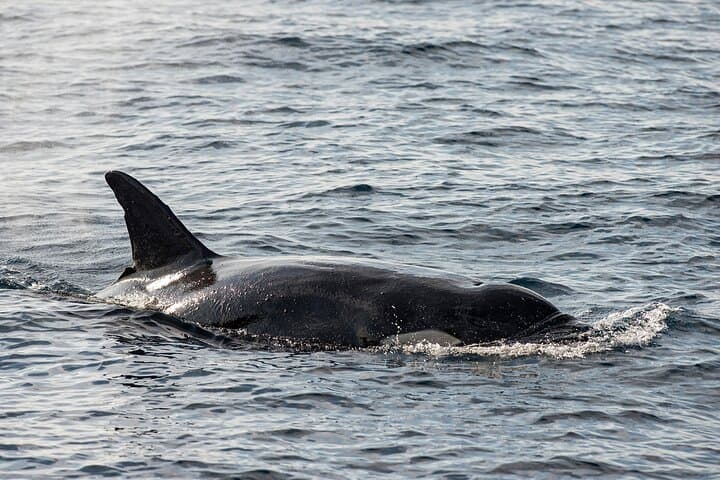
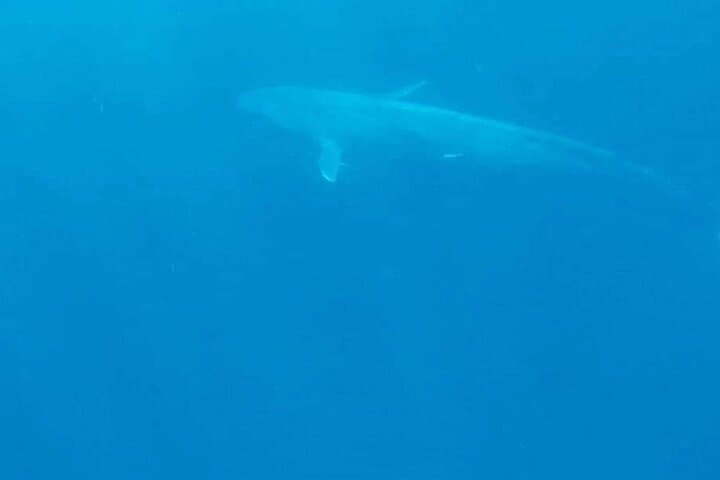
Sea spray and salt-light hang in the air outside Matara as a small classroom gathers to talk about giants of the deep. The Great Whales Education Programme seats visitors where ocean science meets local knowledge: an hour-long talk that translates the rhythm of Sri Lanka’s southern currents into why blue whales and several dolphin species visit these waters.
Sea spray and salt-light hang in the air outside Matara as a small classroom gathers to talk about giants of the deep. The Great Whales Education Programme seats visitors where ocean science meets local knowledge: an hour-long talk that translates the rhythm of Sri Lanka’s southern currents into why blue whales and several dolphin species visit these waters.
The southern coastline’s steep continental shelf and seasonal upwelling concentrate plankton and prey, creating one of the world’s reliable blue whale feeding grounds. Commercial whale-watching developed here in the late 20th century around Mirissa and Matara, and local boat communities and educators now anchor a seasonal tourism economy that balances observation and tradition.
Expect a practical session led by an experienced guide that covers common species, sighting patterns, safe watching techniques and how operators choose boats and timings. There’s time for questions, light refreshments and locally made whale-and-dolphin souvenirs.
Plan to attend in the morning when operators report calmer seas; bring sun protection and a note-taking device if you’re keen to follow up with a boat trip. The programme is family-friendly and accessible to most visitors, but pair it with a morning whale-watch from Mirissa to turn classroom learning into real-world sightings. Respect local guidelines—watching from a distance helps protect animals and ensures the tour remains sustainable for coastal communities.