THE ADVENTURE COLLECTIVE® · Independent discovery and booking for outdoor travel

Walk through Shoreditch and Brick Lane to see world-class murals, hidden stencils and the stories behind them. This two‑hour guided tour blends art history, local culture and practical tips for photographing ever-changing walls.
Walk through Shoreditch and Brick Lane to see world-class murals, hidden stencils and the stories behind them. This two‑hour guided tour blends art history, local culture and practical tips for photographing ever-changing walls.
The morning light in Shoreditch slides over painted brick and corrugated metal, bringing colors alive where delivery vans and market stalls usually rule. You step off the high street into a patchwork of murals, stencils and cheeky paste-ups; the guide pauses at a corner and points, and even familiar pieces gain new stories.
Verified experiences and guided adventures in the surrounding area.
Operated by The Great Weekender · London, England
The morning light in Shoreditch slides over painted brick and corrugated metal, bringing colors alive where delivery vans and market stalls usually rule. You step off the high street into a patchwork of murals, stencils and cheeky paste-ups; the guide pauses at a corner and points, and even familiar pieces gain new stories.
East London’s street-art scene grew out of post‑industrial warehouses and waves of immigration. Brick Lane and the former Truman Brewery became canvases in the 1990s and 2000s as artists—from local crews to international names—claimed walls and alleyways. The area’s architecture is plain Victorian brick, low-rise, with plenty of alleys and shutters that offer uninterrupted gallery space for large-scale works.
Culturally, the tour tracks the social shifts that shaped Shoreditch: Jewish and Bangladeshi communities, market trade, then creative industries. Street art here is a conversation—political slogans share space with commissioned murals—so expect to hear about authorship, temporary works, and how pieces are replaced or painted over.
Practically, you’ll walk 2–3 km over largely flat, urban terrain with sections of cobblestone and narrow lanes; allow 2–2.5 hours. Wear supportive shoes for uneven surfaces and bring a camera and a charged phone. Mornings and weekday afternoons offer better light and fewer crowds; weekends can be busy around Brick Lane market. The tour is wheelchair accessible on main streets, but some alleys may be tight. Bring a light rain layer and a sense of curiosity—art here dares you to look closer.
Meeting points are typically near Shoreditch High Street or Brick Lane; your confirmation will list the exact location and any contact details.
Main streets and many viewing points are wheelchair accessible, but some narrow alleys and side streets may be difficult to navigate; notify the operator when booking.
Expect 2–3 km of walking with multiple stops for explanations and photos over roughly 2–2.5 hours.
The tour covers both commissioned and unsolicited works; you may see pieces attributed to well-known artists, but street art is dynamic and changes frequently.
The Great Weekender operates guided outdoor trips and adventures with an emphasis on safety, stewardship, and memorable experiences.
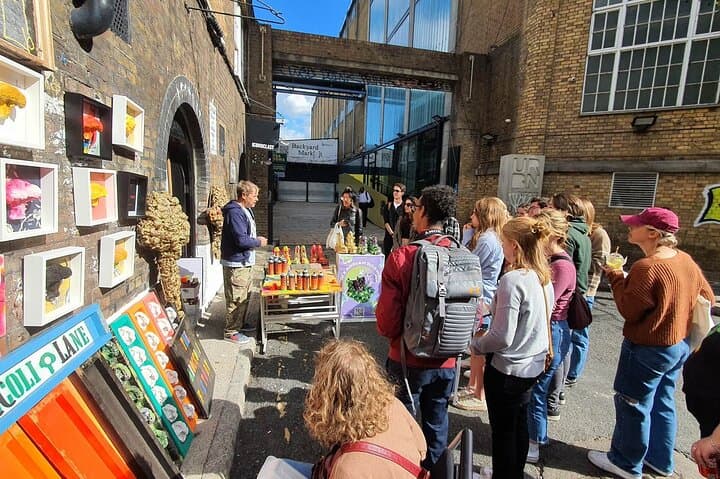
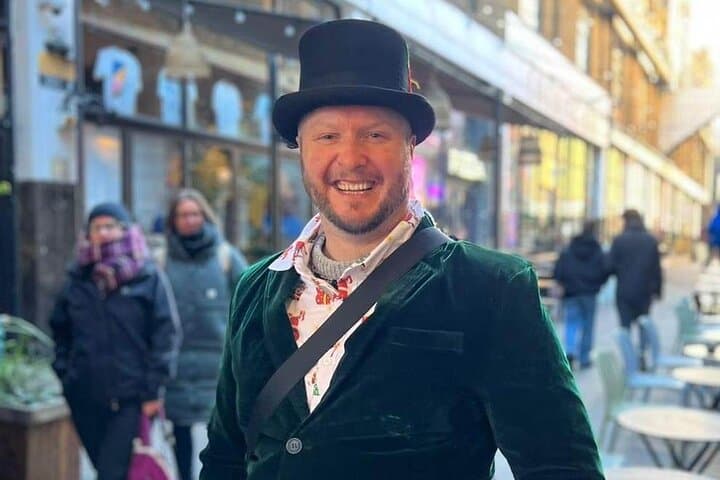
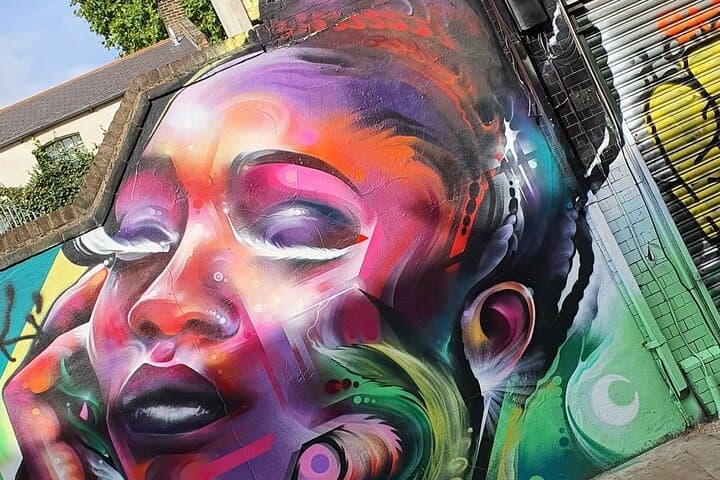
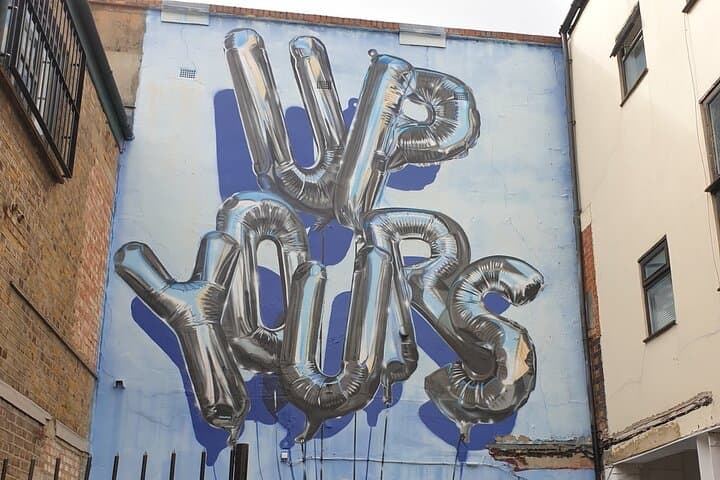
The morning light in Shoreditch slides over painted brick and corrugated metal, bringing colors alive where delivery vans and market stalls usually rule. You step off the high street into a patchwork of murals, stencils and cheeky paste-ups; the guide pauses at a corner and points, and even familiar pieces gain new stories.
The morning light in Shoreditch slides over painted brick and corrugated metal, bringing colors alive where delivery vans and market stalls usually rule. You step off the high street into a patchwork of murals, stencils and cheeky paste-ups; the guide pauses at a corner and points, and even familiar pieces gain new stories.
East London’s street-art scene grew out of post‑industrial warehouses and waves of immigration. Brick Lane and the former Truman Brewery became canvases in the 1990s and 2000s as artists—from local crews to international names—claimed walls and alleyways. The area’s architecture is plain Victorian brick, low-rise, with plenty of alleys and shutters that offer uninterrupted gallery space for large-scale works.
Culturally, the tour tracks the social shifts that shaped Shoreditch: Jewish and Bangladeshi communities, market trade, then creative industries. Street art here is a conversation—political slogans share space with commissioned murals—so expect to hear about authorship, temporary works, and how pieces are replaced or painted over.
Practically, you’ll walk 2–3 km over largely flat, urban terrain with sections of cobblestone and narrow lanes; allow 2–2.5 hours. Wear supportive shoes for uneven surfaces and bring a camera and a charged phone. Mornings and weekday afternoons offer better light and fewer crowds; weekends can be busy around Brick Lane market. The tour is wheelchair accessible on main streets, but some alleys may be tight. Bring a light rain layer and a sense of curiosity—art here dares you to look closer.