THE ADVENTURE COLLECTIVE® · Independent discovery and booking for outdoor travel

A seven-day circuit from Dushanbe along Tajikistan’s eastern Silk Road branches, blending fortress sites, mineral springs and mountain gorges. Expect long drives between immersive cultural stops, simple accommodations and close encounters with local markets and spa towns.
A seven-day circuit from Dushanbe along Tajikistan’s eastern Silk Road branches, blending fortress sites, mineral springs and mountain gorges. Expect long drives between immersive cultural stops, simple accommodations and close encounters with local markets and spa towns.
A jasmine-salted wind meets the minibus as it pulls out of Dushanbe at first light. The capital’s low hills give way to folded gray ridges and river-carved gorges; towns appear as clusters of flat-roofed houses, bazaars and the occasional Soviet-era block. Over seven days this circuit threads classical Silk Road stops — Hissar Fortress and its melon-shaped teahouse, the balneoclimatic pools at Obigarm, the Rogun approaches and the mountain gorges toward Garm and Vahdat.
Verified experiences and guided adventures in the surrounding area.
Operated by Bunyod-Tour · Dushanbe, Dushanbe
A jasmine-salted wind meets the minibus as it pulls out of Dushanbe at first light. The capital’s low hills give way to folded gray ridges and river-carved gorges; towns appear as clusters of flat-roofed houses, bazaars and the occasional Soviet-era block. Over seven days this circuit threads classical Silk Road stops — Hissar Fortress and its melon-shaped teahouse, the balneoclimatic pools at Obigarm, the Rogun approaches and the mountain gorges toward Garm and Vahdat.
The route follows routes used since the first millennium BC: trade lanes where Persian, Greek, Chinese and Arab caravans exchanged goods and ideas. Geologically the landscape is young and active — steep river valleys hewn into limestone and schist, with altitudes shifting from Dushanbe’s 700–800 m up to spa settlements and resorts near 1,500 m. Local culture remains market-centered; you’ll encounter caravanserai sites, craft sellers and family-run teahouses where tea and bread still set the rhythm of the day.
Practical guidance: expect long driving days (commonly 3–6 hours between stops) on variable road surfaces; several breakfasts and lunches are included. Pack layered clothing for morning chill and stronger sun by midday, carry cash (Tajik somoni) for markets, and bring sturdy walking shoes for short site walks. Hydrate on higher-elevation days and allow time for acclimatization around Tundikul (≈1,500 m). Respect conservative dress in villages and ask before photographing people. The journey is low-tech and high-contact — ideal for travelers who prefer cultural immersion over fast-paced sightseeing.
easy.
7 days.
Suitable for travelers in average condition; involves short walks at historical sites and multi-hour vehicle transfers.
The itinerary is classified easy: most activity is short guided walks and cultural visits with travel by vehicle between sites.
Breakfast and lunch are included on most days (six breakfasts and six lunches listed); plan for occasional dinners at local restaurants or accommodations.
For this standard cultural circuit no special permits are typically required, but travelers should check visa rules and any transient regional restrictions before travel.
Guides commonly speak Russian and English at major sites; local interaction in villages may require a translator or phrasebook.
These routes were active Silk Road arteries from the 1st millennium BC through medieval eras, shaping regional trade and the mix of Persian, Turkic and Central Asian cultures.
Water springs and mountain pastures are sensitive; avoid leaving waste at spa resorts and stick to marked paths to reduce erosion and impact.
Bunyod-Tour operates guided outdoor trips and adventures with an emphasis on safety, stewardship, and memorable experiences.
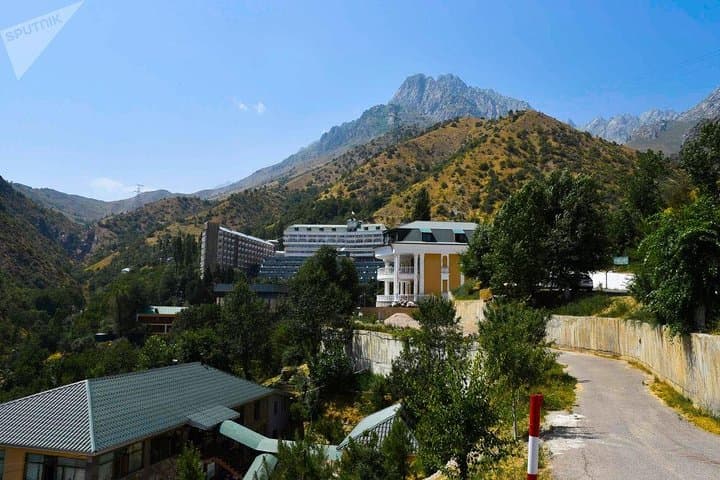
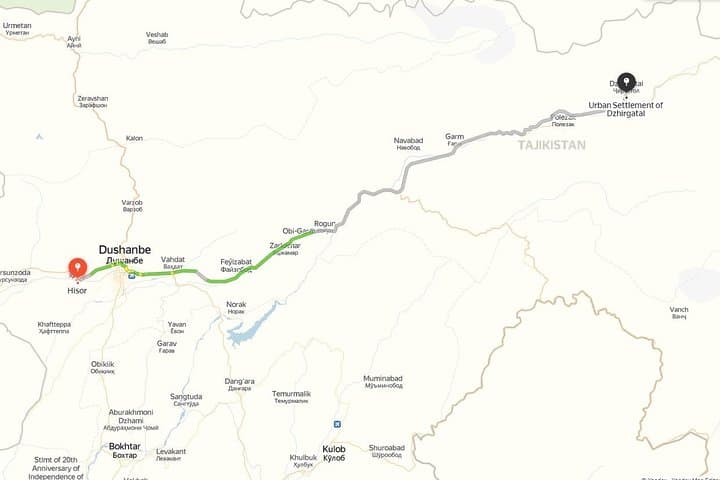
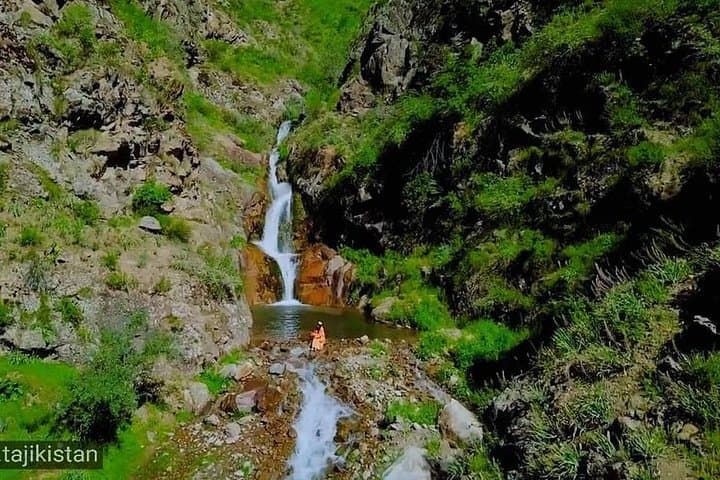
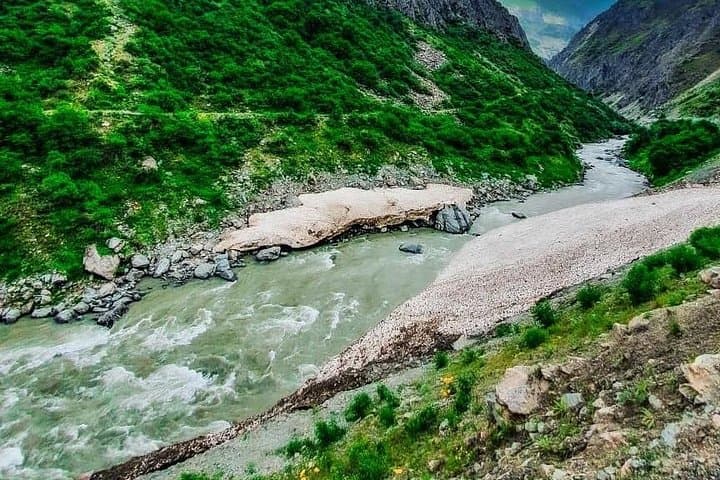
A jasmine-salted wind meets the minibus as it pulls out of Dushanbe at first light. The capital’s low hills give way to folded gray ridges and river-carved gorges; towns appear as clusters of flat-roofed houses, bazaars and the occasional Soviet-era block. Over seven days this circuit threads classical Silk Road stops — Hissar Fortress and its melon-shaped teahouse, the balneoclimatic pools at Obigarm, the Rogun approaches and the mountain gorges toward Garm and Vahdat.
A jasmine-salted wind meets the minibus as it pulls out of Dushanbe at first light. The capital’s low hills give way to folded gray ridges and river-carved gorges; towns appear as clusters of flat-roofed houses, bazaars and the occasional Soviet-era block. Over seven days this circuit threads classical Silk Road stops — Hissar Fortress and its melon-shaped teahouse, the balneoclimatic pools at Obigarm, the Rogun approaches and the mountain gorges toward Garm and Vahdat.
The route follows routes used since the first millennium BC: trade lanes where Persian, Greek, Chinese and Arab caravans exchanged goods and ideas. Geologically the landscape is young and active — steep river valleys hewn into limestone and schist, with altitudes shifting from Dushanbe’s 700–800 m up to spa settlements and resorts near 1,500 m. Local culture remains market-centered; you’ll encounter caravanserai sites, craft sellers and family-run teahouses where tea and bread still set the rhythm of the day.
Practical guidance: expect long driving days (commonly 3–6 hours between stops) on variable road surfaces; several breakfasts and lunches are included. Pack layered clothing for morning chill and stronger sun by midday, carry cash (Tajik somoni) for markets, and bring sturdy walking shoes for short site walks. Hydrate on higher-elevation days and allow time for acclimatization around Tundikul (≈1,500 m). Respect conservative dress in villages and ask before photographing people. The journey is low-tech and high-contact — ideal for travelers who prefer cultural immersion over fast-paced sightseeing.