THE ADVENTURE COLLECTIVE® · Independent discovery and booking for outdoor travel

Drive into the Great Sand Sea from Siwa Oasis for dune drifting, steaming sulfur springs, and wide desert views. This half-day 4x4 safari pairs hands-on desert driving with quick cultural stops around Siwa.
Drive into the Great Sand Sea from Siwa Oasis for dune drifting, steaming sulfur springs, and wide desert views. This half-day 4x4 safari pairs hands-on desert driving with quick cultural stops around Siwa.
You climb into a low-slung 4x4 as the town of Siwa shrinks behind you and the dunes begin to rise—soft, wind-sculpted ridges that shift color as the sun moves. The jeep bounces and leans; sand pushes back under the tires, daring the driver to drift a little faster. In five hours you’ll cross broad dune fields of the Great Sand Sea, pause at hot sulfur springs that steam like small, stubborn geysers, and watch wind corrugations roll toward the horizon.
Verified experiences and guided adventures in the surrounding area.
Operated by Vibes Travel agency · Siwa, Matrouh Governorate
You climb into a low-slung 4x4 as the town of Siwa shrinks behind you and the dunes begin to rise—soft, wind-sculpted ridges that shift color as the sun moves. The jeep bounces and leans; sand pushes back under the tires, daring the driver to drift a little faster. In five hours you’ll cross broad dune fields of the Great Sand Sea, pause at hot sulfur springs that steam like small, stubborn geysers, and watch wind corrugations roll toward the horizon.
This landscape is part of Egypt’s Western Desert, a sparsely vegetated sweep of sand and silicate dunes that formed over millennia as the Sahara migrated and regional winds rearranged loose sediments. Siwa itself is an oasis with a long human history—Greco-Roman visitors, a famous Oracle of Amun, and a local Amazigh culture that shaped vernacular architecture and salt-harvesting traditions.
Expect coarse sand, occasional gravel plains, and expansive views with little shade. Cultural touchpoints—mud-brick shali ruins, freshwater springs, and local date groves—appear between dune corridors.
Practical guidance: bring sun protection, at least 2–3 liters of water per person for the half-day, and a light windbreaker for dusty gusts. Wear closed-toe shoes and layered clothing; sudden temperature swings are common between midday heat and cooler afternoons. Photography thrives in low light—arrive early or stay late for the best color. Respect the dunes: walk where guides point and avoid damaging vegetation. If prone to motion sickness, choose a seat near the center of the vehicle and focus on the horizon.
This trip suits travelers wanting hands-on desert driving, quick immersion in Siwa’s landscape, and accessible natural springs without an overnight commitment.
easy.
5 hours.
Suitable for most fitness levels; ability to climb short dune slopes and stand on uneven sand recommended
The listed excursion is about 5 hours door-to-door from Siwa, including transit, dune driving, and short stops at springs.
It’s generally suitable for children but not recommended for pregnant travelers due to vehicle movement and bumpiness; check provider restrictions before booking.
Basic stops are available in or near Siwa; on the dune portion there are no facilities—bring snacks and plan restroom use before departure.
Yes—guided stops allow short walks, but avoid climbing unstable dune faces and follow the guide’s instructions to protect fragile surfaces.
Siwa Oasis hosted the Oracle of Amun visited by Alexander the Great; settlements here reflect long Amazigh and Greco-Roman interactions.
The Great Sand Sea’s dunes and oasis springs are fragile—stay on designated tracks, avoid littering, and minimize disturbance to vegetation and wildlife.
Vibes Travel agency operates guided outdoor trips and adventures with an emphasis on safety, stewardship, and memorable experiences.
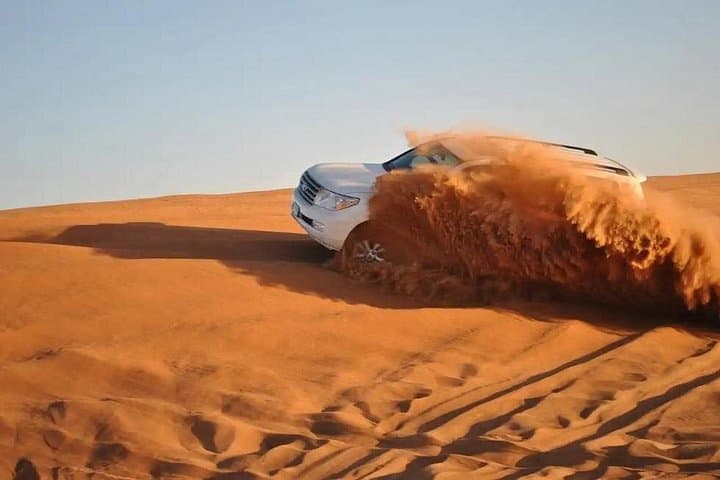
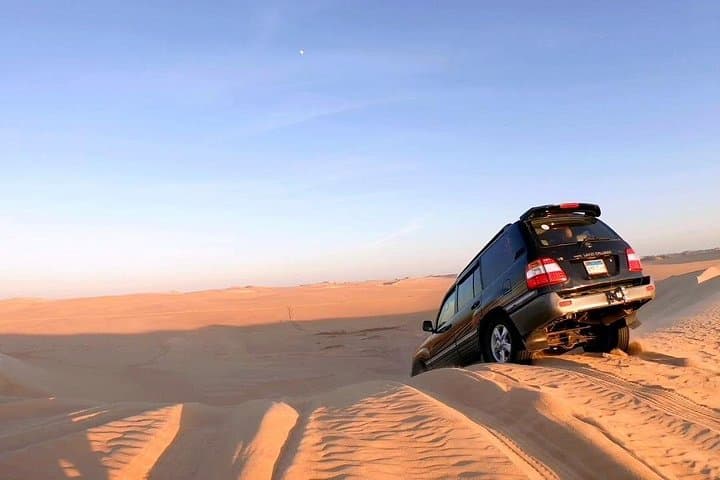
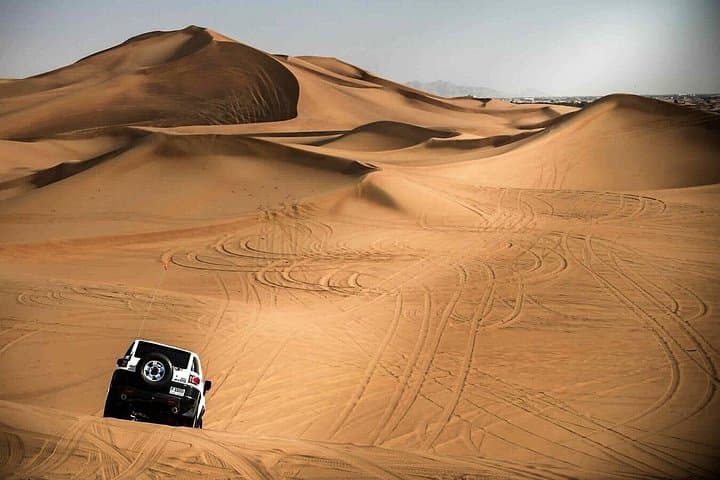
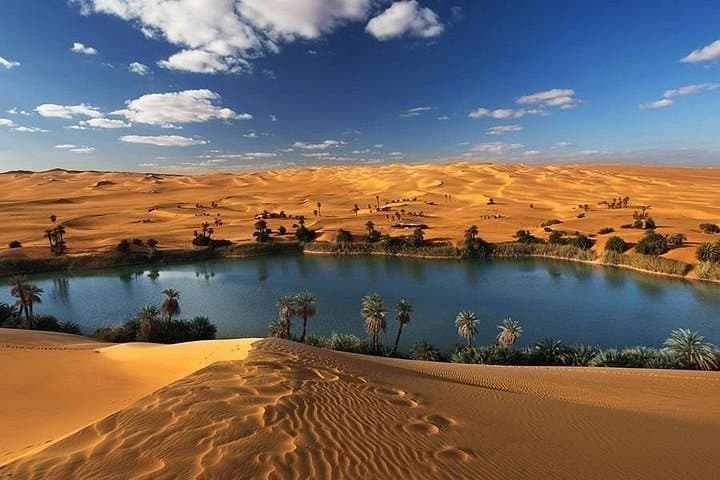
You climb into a low-slung 4x4 as the town of Siwa shrinks behind you and the dunes begin to rise—soft, wind-sculpted ridges that shift color as the sun moves. The jeep bounces and leans; sand pushes back under the tires, daring the driver to drift a little faster. In five hours you’ll cross broad dune fields of the Great Sand Sea, pause at hot sulfur springs that steam like small, stubborn geysers, and watch wind corrugations roll toward the horizon.
You climb into a low-slung 4x4 as the town of Siwa shrinks behind you and the dunes begin to rise—soft, wind-sculpted ridges that shift color as the sun moves. The jeep bounces and leans; sand pushes back under the tires, daring the driver to drift a little faster. In five hours you’ll cross broad dune fields of the Great Sand Sea, pause at hot sulfur springs that steam like small, stubborn geysers, and watch wind corrugations roll toward the horizon.
This landscape is part of Egypt’s Western Desert, a sparsely vegetated sweep of sand and silicate dunes that formed over millennia as the Sahara migrated and regional winds rearranged loose sediments. Siwa itself is an oasis with a long human history—Greco-Roman visitors, a famous Oracle of Amun, and a local Amazigh culture that shaped vernacular architecture and salt-harvesting traditions.
Expect coarse sand, occasional gravel plains, and expansive views with little shade. Cultural touchpoints—mud-brick shali ruins, freshwater springs, and local date groves—appear between dune corridors.
Practical guidance: bring sun protection, at least 2–3 liters of water per person for the half-day, and a light windbreaker for dusty gusts. Wear closed-toe shoes and layered clothing; sudden temperature swings are common between midday heat and cooler afternoons. Photography thrives in low light—arrive early or stay late for the best color. Respect the dunes: walk where guides point and avoid damaging vegetation. If prone to motion sickness, choose a seat near the center of the vehicle and focus on the horizon.
This trip suits travelers wanting hands-on desert driving, quick immersion in Siwa’s landscape, and accessible natural springs without an overnight commitment.