THE ADVENTURE COLLECTIVE® · Independent discovery and booking for outdoor travel

A compact three‑day circuit from Sousse into Tunisia’s southern Sahara: Roman arches at El Jem, underground troglodyte homes at Matmata, camel dunes in Douz and the lush canyons and oases of Tozeur. Expect long drives, short walks and unforgettable light.
A compact three‑day circuit from Sousse into Tunisia’s southern Sahara: Roman arches at El Jem, underground troglodyte homes at Matmata, camel dunes in Douz and the lush canyons and oases of Tozeur. Expect long drives, short walks and unforgettable light.
Dawn arrives over the salt flats with a hard, pale light that makes distant dunes appear blue-black. A private air‑conditioned vehicle pulls away from the Mediterranean coast and drives inland; within hours the road gives way to low, wind-sculpted ridges and palm-fringed oases where water still insists on life.
Verified experiences and guided adventures in the surrounding area.
Operated by Ôthentic Travel & Services · Sousse, Sousse Governorate
Dawn arrives over the salt flats with a hard, pale light that makes distant dunes appear blue-black. A private air‑conditioned vehicle pulls away from the Mediterranean coast and drives inland; within hours the road gives way to low, wind-sculpted ridges and palm-fringed oases where water still insists on life.
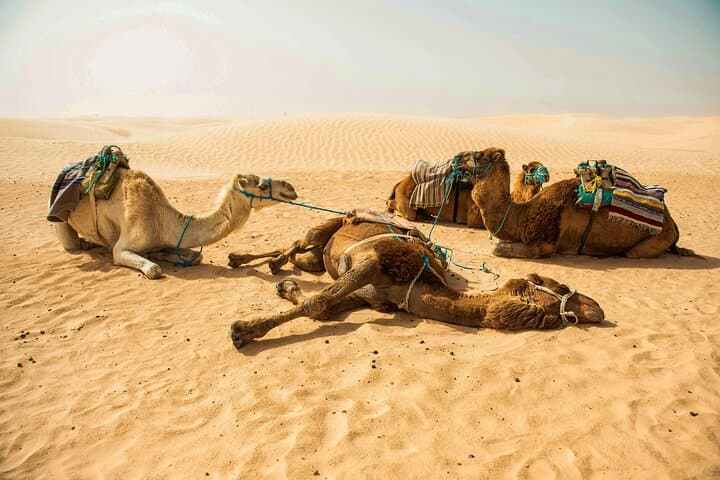
This three‑day loop threads together distinct chapters of Tunisian history and geology: the Roman amphitheatre at El Jem — the third largest in the Empire — where stone arches hold the memory of gladiatorial contests; the troglodyte homes of Matmata carved into soft sedimentary rock by Berber communities; the golden dune sea of Douz that dares travelers to leave a camel’s track; and the oasis towns of Chebika, Tamerza and Tozeur set against canyons and saline flats (Chott el‑Djerid) whose mirages rewrite the horizon.
Culturally the route is a crossroad: Roman ruins, Berber architecture, and more recent film crews have each left marks. Geologically the region moves from coastal limestone to Miocene deposits and Pleistocene dune fields; elevation changes are modest, though canyon walks and oasis steps require steady footing.
Practical guidance: this is a sightseeing tour with short walks (typically under 2 km per stop) and some uneven terrain in gorges and dunes. Expect long driving stretches broken by photo stops — plan sun protection, layered clothing for cold desert nights, and 2–3 liters of water per person per day. Best daylight windows are morning and late afternoon for cooler temperatures and softer light for photos. Hotel nights are included; optional camel rides or Star Wars location visits add local flavor but bring sun protection and sturdy footwear.
easy.
3 days.
Suitable for travelers in normal health who can walk short distances (up to 2 km) on uneven ground and climb steps.
Yes — the itinerary includes 2 breakfasts, 3 lunches and 2 dinners, plus two nights in 4‑star hotels (Douz and Tozeur).
Yes — the supplier notes stroller access and infant seats are available; however, long drives and hot daytime temperatures may be challenging for very young children.
El Jem amphitheatre admission is included per the itinerary; other optional visits (camel rides, certain museum entries) may require extra fees on site.
Autumn through spring (October–April) offers milder daytime temperatures and more comfortable nights; summer can be extremely hot in the deep desert.
The route layers Roman North Africa (El Jem’s amphitheatre) with millennia of Berber habitation — Matmata’s troglodyte homes remain a living example of rock‑cut domestic architecture.
Oasis ecosystems and salt‑flat crusts are fragile; stick to established paths, avoid off‑road driving on dunes, and minimize water waste to reduce local stress.
Ôthentic Travel & Services operates guided outdoor trips and adventures with an emphasis on safety, stewardship, and memorable experiences.
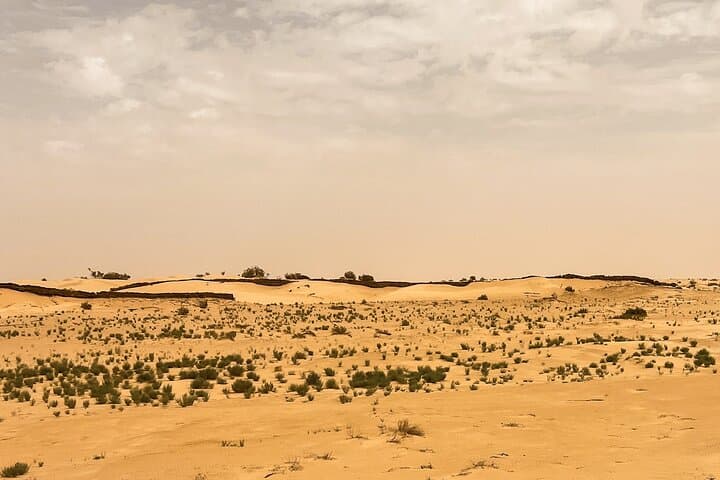
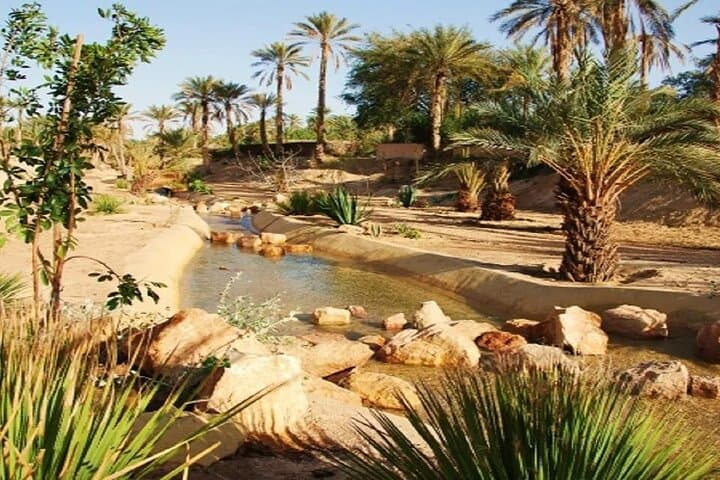
Dawn arrives over the salt flats with a hard, pale light that makes distant dunes appear blue-black. A private air‑conditioned vehicle pulls away from the Mediterranean coast and drives inland; within hours the road gives way to low, wind-sculpted ridges and palm-fringed oases where water still insists on life.
Dawn arrives over the salt flats with a hard, pale light that makes distant dunes appear blue-black. A private air‑conditioned vehicle pulls away from the Mediterranean coast and drives inland; within hours the road gives way to low, wind-sculpted ridges and palm-fringed oases where water still insists on life.
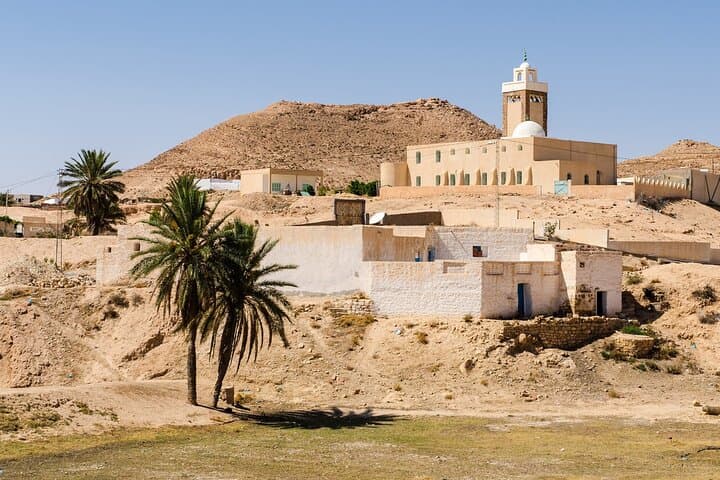
This three‑day loop threads together distinct chapters of Tunisian history and geology: the Roman amphitheatre at El Jem — the third largest in the Empire — where stone arches hold the memory of gladiatorial contests; the troglodyte homes of Matmata carved into soft sedimentary rock by Berber communities; the golden dune sea of Douz that dares travelers to leave a camel’s track; and the oasis towns of Chebika, Tamerza and Tozeur set against canyons and saline flats (Chott el‑Djerid) whose mirages rewrite the horizon.
Culturally the route is a crossroad: Roman ruins, Berber architecture, and more recent film crews have each left marks. Geologically the region moves from coastal limestone to Miocene deposits and Pleistocene dune fields; elevation changes are modest, though canyon walks and oasis steps require steady footing.
Practical guidance: this is a sightseeing tour with short walks (typically under 2 km per stop) and some uneven terrain in gorges and dunes. Expect long driving stretches broken by photo stops — plan sun protection, layered clothing for cold desert nights, and 2–3 liters of water per person per day. Best daylight windows are morning and late afternoon for cooler temperatures and softer light for photos. Hotel nights are included; optional camel rides or Star Wars location visits add local flavor but bring sun protection and sturdy footwear.