THE ADVENTURE COLLECTIVE® · Independent discovery and booking for outdoor travel

Stand beneath a steel arch above I‑80 and step into 180 years of American movement. The Archway combines life‑size exhibits, a replica sod house and outdoor trail access to tell the story of the Oregon Trail, Pony Express and transcontinental rail.
Stand beneath a steel arch above I‑80 and step into 180 years of American movement. The Archway combines life‑size exhibits, a replica sod house and outdoor trail access to tell the story of the Oregon Trail, Pony Express and transcontinental rail.
You come off I‑80 and the Archway is already above you, a long steel curve that spans the interstate like a modern gateway. Inside, life‑size figures and immersive scenes pull you into the hard miles of westward migration—covered wagons hunched against wind, a Pony Express rider caught mid‑sprint, a sod house that smells faintly of prairie grass. The Platte River, visible nearby, seems to push the route forward, urging travelers west.
Verified experiences and guided adventures in the surrounding area.
Operated by The Archway · Kearney, Nebraska
You come off I‑80 and the Archway is already above you, a long steel curve that spans the interstate like a modern gateway. Inside, life‑size figures and immersive scenes pull you into the hard miles of westward migration—covered wagons hunched against wind, a Pony Express rider caught mid‑sprint, a sod house that smells faintly of prairie grass. The Platte River, visible nearby, seems to push the route forward, urging travelers west.
The Archway interprets roughly 180 years of movement along the Great Platte River Road: emigrant wagon trains, the Pony Express, stagecoaches, the transcontinental railroad and later the Lincoln Highway. Geologically the corridor follows the broad Platte valley, a shallow, braided riverbed that shaped settlement, wildlife migration and travel corridors across central Nebraska. Locals point to nearby Mormon Island and the historic river crossings as quiet counterpoints to the exhibition’s drama.
Plan 1–2 hours for a self‑guided visit; the exhibit is the paid feature, while the grounds, pond and vintage bridge are free to explore. Note last ticket sales at 4:30 p.m.; admission is valid anytime during open hours. The venue is wheelchair and stroller accessible and has ample RV parking. Combine the stop with a walk or bike ride along the adjacent trail to better read the landscape that shaped the stories inside.
Practical tips: bring water and a light jacket—Nebraska winds can be sharp—allow extra time if visiting with kids, and save room on your camera; the interpretive displays and panoramic views from the grounds make for memorable photos.
easy.
1–2 hours.
Suitable for most fitness levels; includes standing, walking and short ramps or steps.
Most visitors spend 60–120 minutes exploring the indoor exhibits; add time if you plan to walk the adjacent trail or use the grounds.
Yes—wheelchair accessible routes and a limited number of loaner wheelchairs are available; staff can assist at the gift shop on arrival.
Yes—the Archway has plenty of pull‑through parking spaces for RVs, trailers and semis.
The Archway stops ticket sales at 4:30 p.m. daily; admission is good for any time during open hours on the day of purchase.
The Archway sits on the historic Great Platte River Road corridor that funneled early westbound emigrants, Pony Express riders and later rail and highway traffic across Nebraska.
The Platte valley is an important migratory corridor; visitors are asked to stay on trails, pack out trash and respect wildlife, especially during spring migrations.
The Archway operates guided outdoor trips and adventures with an emphasis on safety, stewardship, and memorable experiences.
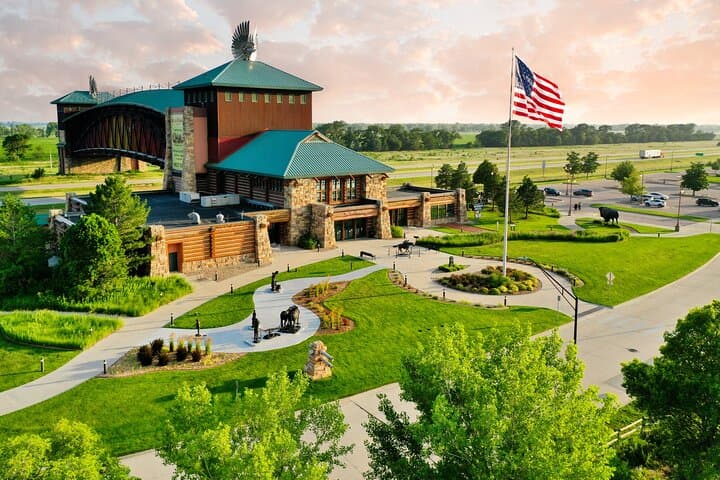


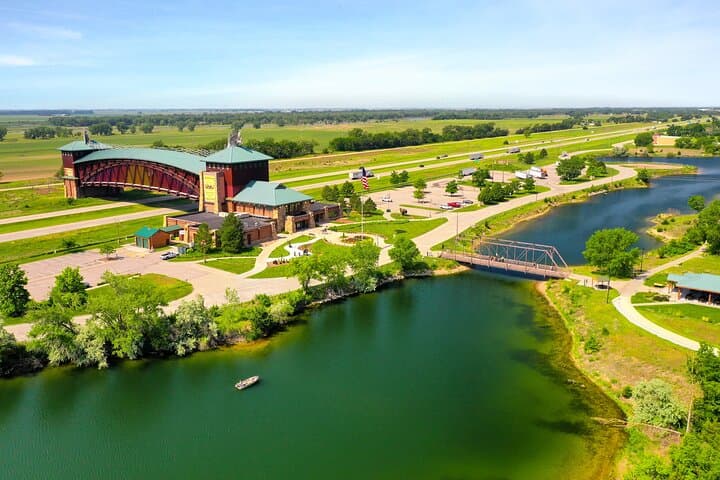
You come off I‑80 and the Archway is already above you, a long steel curve that spans the interstate like a modern gateway. Inside, life‑size figures and immersive scenes pull you into the hard miles of westward migration—covered wagons hunched against wind, a Pony Express rider caught mid‑sprint, a sod house that smells faintly of prairie grass. The Platte River, visible nearby, seems to push the route forward, urging travelers west.
You come off I‑80 and the Archway is already above you, a long steel curve that spans the interstate like a modern gateway. Inside, life‑size figures and immersive scenes pull you into the hard miles of westward migration—covered wagons hunched against wind, a Pony Express rider caught mid‑sprint, a sod house that smells faintly of prairie grass. The Platte River, visible nearby, seems to push the route forward, urging travelers west.
The Archway interprets roughly 180 years of movement along the Great Platte River Road: emigrant wagon trains, the Pony Express, stagecoaches, the transcontinental railroad and later the Lincoln Highway. Geologically the corridor follows the broad Platte valley, a shallow, braided riverbed that shaped settlement, wildlife migration and travel corridors across central Nebraska. Locals point to nearby Mormon Island and the historic river crossings as quiet counterpoints to the exhibition’s drama.
Plan 1–2 hours for a self‑guided visit; the exhibit is the paid feature, while the grounds, pond and vintage bridge are free to explore. Note last ticket sales at 4:30 p.m.; admission is valid anytime during open hours. The venue is wheelchair and stroller accessible and has ample RV parking. Combine the stop with a walk or bike ride along the adjacent trail to better read the landscape that shaped the stories inside.
Practical tips: bring water and a light jacket—Nebraska winds can be sharp—allow extra time if visiting with kids, and save room on your camera; the interpretive displays and panoramic views from the grounds make for memorable photos.