THE ADVENTURE COLLECTIVE® · Independent discovery and booking for outdoor travel

Two full days along one of the world’s most scenic coastal roads — short walks, dramatic limestone stacks and chances to spot koalas and kangaroos. This guided mini-bus tour from Melbourne packs key Great Ocean Road highlights into an efficient, wildlife-friendly loop.
Two full days along one of the world’s most scenic coastal roads — short walks, dramatic limestone stacks and chances to spot koalas and kangaroos. This guided mini-bus tour from Melbourne packs key Great Ocean Road highlights into an efficient, wildlife-friendly loop.
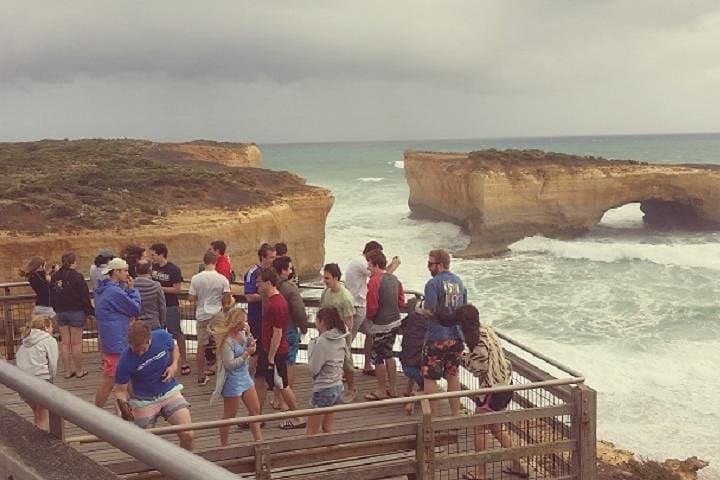
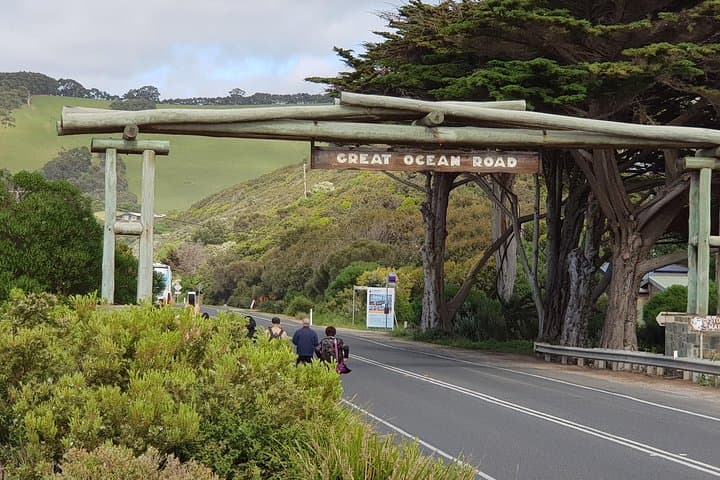
The bus eases out of Melbourne at dawn and the city grid gives way to eucalyptus-scented surf country. Windows frame cliffs folding into the sea, gulls riding each swell as the Great Ocean Road dares you to keep watching. On this two-day loop you move at the pace of the coastline: quick lookouts, short walks into rainforest gullies, step-downs onto wind-sculpted beaches and late-afternoon light on limestone stacks.
Verified experiences and guided adventures in the surrounding area.
Operated by Around and About Travel · Melbourne, Victoria
The bus eases out of Melbourne at dawn and the city grid gives way to eucalyptus-scented surf country. Windows frame cliffs folding into the sea, gulls riding each swell as the Great Ocean Road dares you to keep watching. On this two-day loop you move at the pace of the coastline: quick lookouts, short walks into rainforest gullies, step-downs onto wind-sculpted beaches and late-afternoon light on limestone stacks.
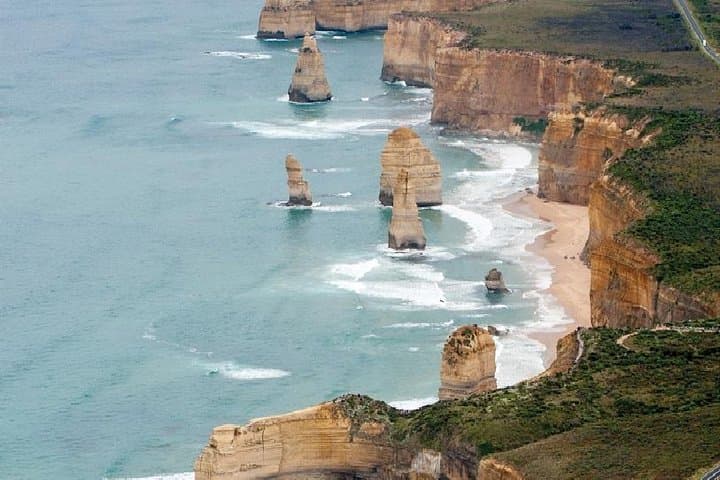
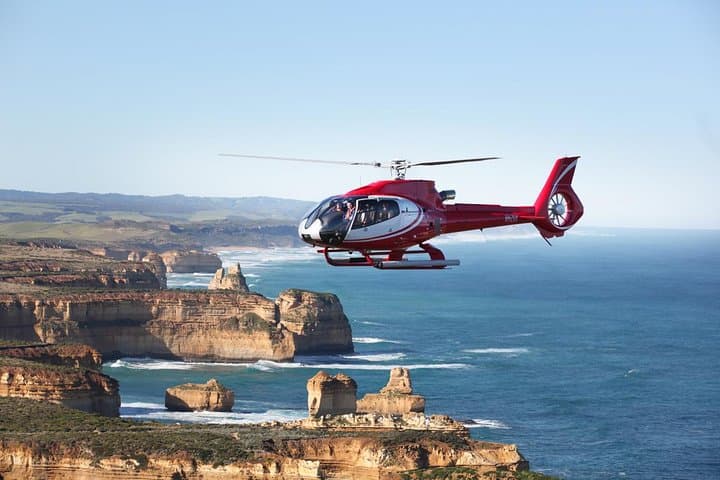
The road itself is living history — built as a World War I memorial by returned soldiers through rugged terrain — and its geology reads like a coastal primer: ancient sandstones and limestones eroded into arches, stacks and grottos where wave and weather measure time. Local towns from Lorne to Apollo Bay retain a fishing-and-forestry backbone; cafés and surf shops cluster around lifesaver flags and jetty silhouettes.
Expect multiple short walks (5–90 minutes) rather than long hikes; wildlife is often in the trees or grazing at dusk — kangaroos and koalas are common. Weather turns fast: sea spray, wind and sun can alternate within an hour.
Practical edge: bring a waterproof shell, layered insulation and sturdy walking shoes for boardwalks and steps. Carry a refillable water bottle, sun protection and a compact daypack for snacks and camera gear. Plan photo stops around golden-hour light at the Twelve Apostles and aim to arrive at popular lookouts early to avoid crowds. If you want more time at a site, ask the guide — the itinerary includes flexible stops but keeps a steady rhythm to make the most of two full days.
moderate.
2 days.
Light to moderate fitness—suitable if you can manage repeated short walks (5–90 minutes) and some stair descents.
Dorm bed in a shared room at Apollo Bay is included by default, with options to upgrade to private rooms or source your own accommodation.
Roundtrip pickup is from Flinders Street Station in Melbourne; hotel pickups may be available—confirm exact pickup time with the local provider.
Walks are short and varied—most are under 90 minutes, with some steep steps; the tour is suitable for most fitness levels but requires mobility for steps and boardwalks.
Yes—kangaroos and koalas are often spotted in roadside bushland and at lookout stops, but sightings are not guaranteed as wildlife is wild and can be more active at dawn or dusk.
The Great Ocean Road was constructed by returned World War I soldiers between 1919–1932 as both a memorial and a jobs program, carving a scenic route out of difficult coastal terrain.
National parks manage sensitive coastal vegetation and seabird nesting areas—stay on paths, pack out rubbish and avoid disturbing wildlife to help protect fragile shorelines.
Around and About Travel operates guided outdoor trips and adventures with an emphasis on safety, stewardship, and memorable experiences.
The bus eases out of Melbourne at dawn and the city grid gives way to eucalyptus-scented surf country. Windows frame cliffs folding into the sea, gulls riding each swell as the Great Ocean Road dares you to keep watching. On this two-day loop you move at the pace of the coastline: quick lookouts, short walks into rainforest gullies, step-downs onto wind-sculpted beaches and late-afternoon light on limestone stacks.
The bus eases out of Melbourne at dawn and the city grid gives way to eucalyptus-scented surf country. Windows frame cliffs folding into the sea, gulls riding each swell as the Great Ocean Road dares you to keep watching. On this two-day loop you move at the pace of the coastline: quick lookouts, short walks into rainforest gullies, step-downs onto wind-sculpted beaches and late-afternoon light on limestone stacks.
The road itself is living history — built as a World War I memorial by returned soldiers through rugged terrain — and its geology reads like a coastal primer: ancient sandstones and limestones eroded into arches, stacks and grottos where wave and weather measure time. Local towns from Lorne to Apollo Bay retain a fishing-and-forestry backbone; cafés and surf shops cluster around lifesaver flags and jetty silhouettes.
Expect multiple short walks (5–90 minutes) rather than long hikes; wildlife is often in the trees or grazing at dusk — kangaroos and koalas are common. Weather turns fast: sea spray, wind and sun can alternate within an hour.
Practical edge: bring a waterproof shell, layered insulation and sturdy walking shoes for boardwalks and steps. Carry a refillable water bottle, sun protection and a compact daypack for snacks and camera gear. Plan photo stops around golden-hour light at the Twelve Apostles and aim to arrive at popular lookouts early to avoid crowds. If you want more time at a site, ask the guide — the itinerary includes flexible stops but keeps a steady rhythm to make the most of two full days.