THE ADVENTURE COLLECTIVE® · Independent discovery and booking for outdoor travel

Spend a full day following the Great Ocean Road’s dramatic coastline from split-point lighthouses to the Twelve Apostles and Loch Ard Gorge. This private tour covers seaside towns, short cliff walks and iconic viewpoints with practical stops for photography and short rainforest detours.
Spend a full day following the Great Ocean Road’s dramatic coastline from split-point lighthouses to the Twelve Apostles and Loch Ard Gorge. This private tour covers seaside towns, short cliff walks and iconic viewpoints with practical stops for photography and short rainforest detours.
The tour opens with the ocean pressing against the windward cliffs and the road unspooling ahead—sea spray tasting faintly of iron and salt as the van threads past beaches, headlands and the white top of breakers.
Verified experiences and guided adventures in the surrounding area.
Operated by Escape Melbourne Tours · Melbourne, Victoria
The tour opens with the ocean pressing against the windward cliffs and the road unspooling ahead—sea spray tasting faintly of iron and salt as the van threads past beaches, headlands and the white top of breakers.
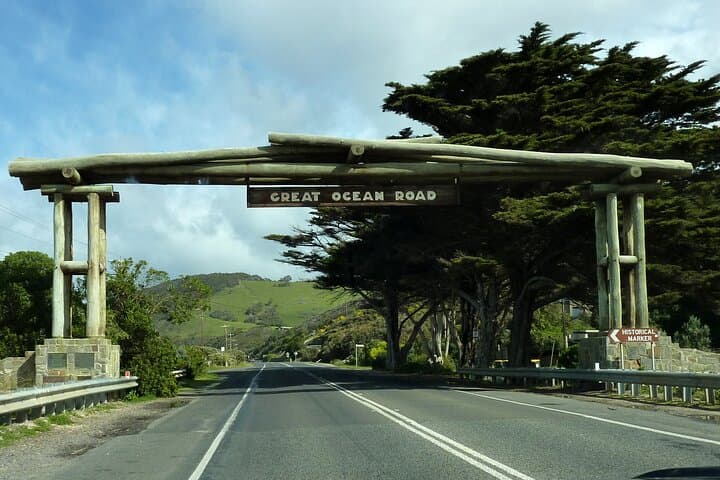
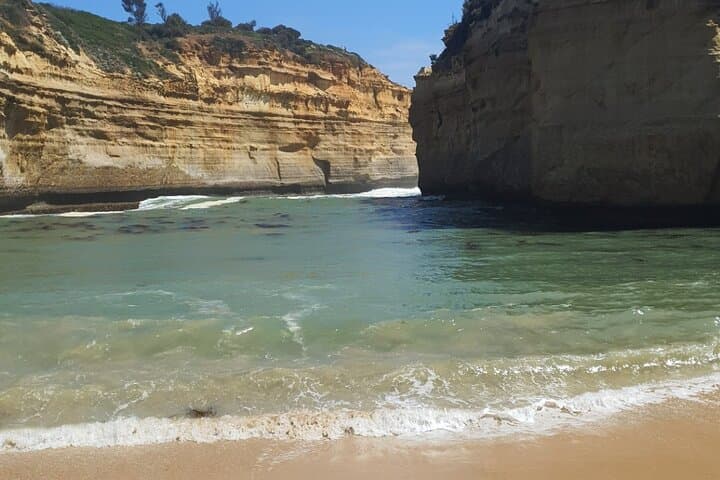
Travelers move from Split Point Lighthouse through the surf town rhythms of Lorne to the rainforest hush near Erskine Falls, then down to Apollo Bay before the crescendo at Port Campbell: the Twelve Apostles, Loch Ard Gorge and London Bridge. The Great Ocean Road itself is a human-made ribbon carved after World War I by returned soldiers between 1919–1932, now riding the edge of ancient limestone platforms that have been undercut by wind and tide for millions of years.
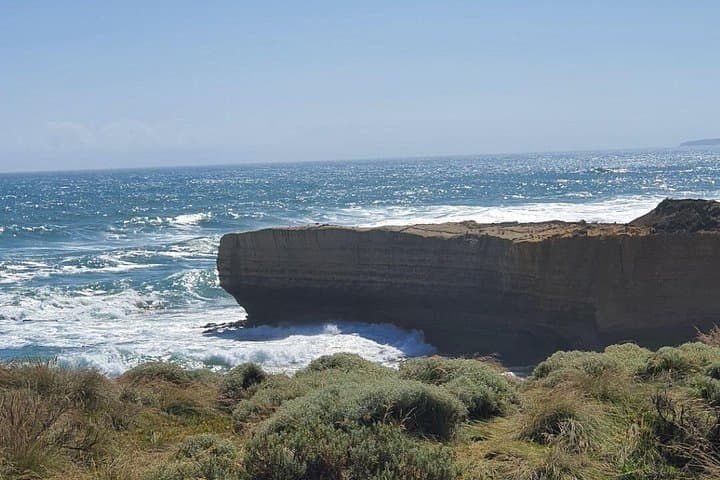
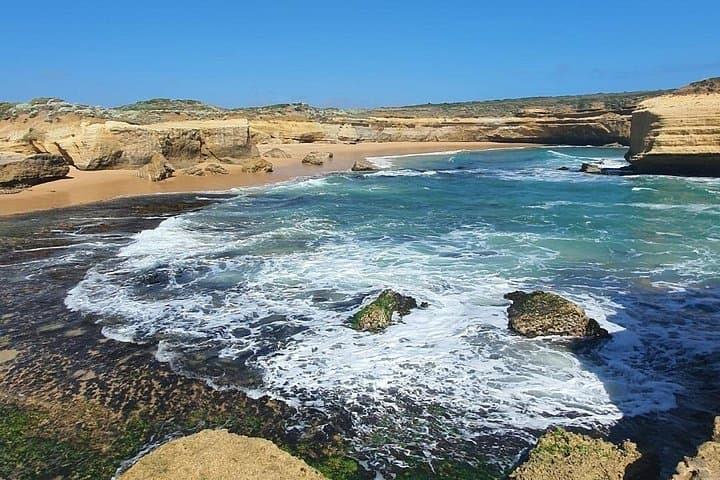
Geology is visible here—limestone stacks, sea arches and carved gorges formed from marine sediments uplifted and sculpted by the Southern Ocean. The culture of the route blends surf towns, indigenous Gunditjmara country, and a service economy built around visitors and fishing ports.
Practically, expect a full day (about 12–13 hours door-to-door from Melbourne) of mostly highway driving with multiple short walks: paved lookouts, boardwalks and stair descents of a few dozen metres. Wear sturdy shoes for uneven cliff-top paths, bring layered waterproofs (weather changes fast) and plan for strong sun and wind near the stacks.
Photography windows are best at sunrise or late afternoon light; expect crowds at the main lookouts midday. Keep to marked trails—coastal edges erode quickly—and allow extra time at viewpoints to soak in the scale without rushing.
easy.
12–13 hours.
Suitable for people with low to moderate fitness; involves short walks and stairs but no sustained hiking.
This private day tour runs about 12–13 hours round-trip and typically departs from Melbourne, covering key stops along the Great Ocean Road.
Walks at each viewpoint are short—boardwalks, stairs and paved paths—suitable for most visitors; there are no long hikes included.
Yes—look for koalas in roadside eucalypts, seabirds on the cliffs and seasonal whales offshore (mainly June–September for southern right whales).
Yes; infant seats are available and the itinerary is family-friendly, but expect long stretches in the vehicle and some cliff-edge lookouts that require supervision.
The Great Ocean Road was built as a war memorial by returned WWI soldiers between 1919–1932 and opened coastal access that reshaped Victoria’s tourism.
Coastal erosion and visitor pressure threaten fragile cliff-top habitats—stay on boardwalks, pack out waste and avoid disturbance of wildlife to minimize impact.
Escape Melbourne Tours operates guided outdoor trips and adventures with an emphasis on safety, stewardship, and memorable experiences.
The tour opens with the ocean pressing against the windward cliffs and the road unspooling ahead—sea spray tasting faintly of iron and salt as the van threads past beaches, headlands and the white top of breakers.
The tour opens with the ocean pressing against the windward cliffs and the road unspooling ahead—sea spray tasting faintly of iron and salt as the van threads past beaches, headlands and the white top of breakers.
Travelers move from Split Point Lighthouse through the surf town rhythms of Lorne to the rainforest hush near Erskine Falls, then down to Apollo Bay before the crescendo at Port Campbell: the Twelve Apostles, Loch Ard Gorge and London Bridge. The Great Ocean Road itself is a human-made ribbon carved after World War I by returned soldiers between 1919–1932, now riding the edge of ancient limestone platforms that have been undercut by wind and tide for millions of years.
Geology is visible here—limestone stacks, sea arches and carved gorges formed from marine sediments uplifted and sculpted by the Southern Ocean. The culture of the route blends surf towns, indigenous Gunditjmara country, and a service economy built around visitors and fishing ports.
Practically, expect a full day (about 12–13 hours door-to-door from Melbourne) of mostly highway driving with multiple short walks: paved lookouts, boardwalks and stair descents of a few dozen metres. Wear sturdy shoes for uneven cliff-top paths, bring layered waterproofs (weather changes fast) and plan for strong sun and wind near the stacks.
Photography windows are best at sunrise or late afternoon light; expect crowds at the main lookouts midday. Keep to marked trails—coastal edges erode quickly—and allow extra time at viewpoints to soak in the scale without rushing.