THE ADVENTURE COLLECTIVE® · Independent discovery and booking for outdoor travel

A full-day coastal loop from Melbourne that pairs seaside villages and rainforest gullies with the wind-carved limestone stacks of the Twelve Apostles. Expect multiple lookout stops, short walks and a long day of spectacular coastal scenery.
A full-day coastal loop from Melbourne that pairs seaside villages and rainforest gullies with the wind-carved limestone stacks of the Twelve Apostles. Expect multiple lookout stops, short walks and a long day of spectacular coastal scenery.
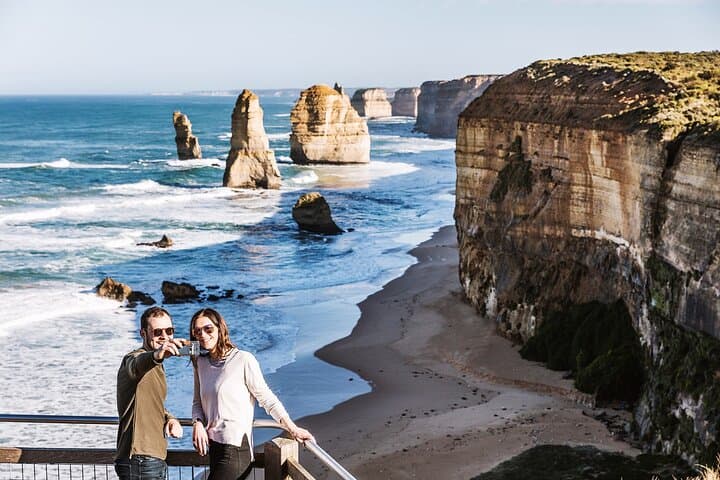
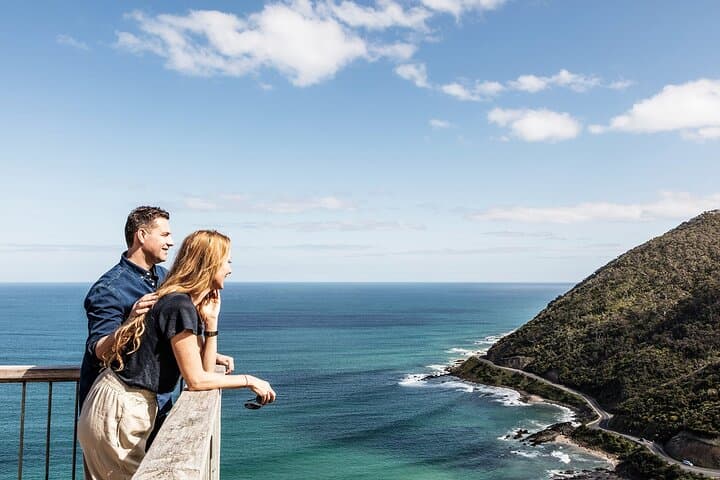
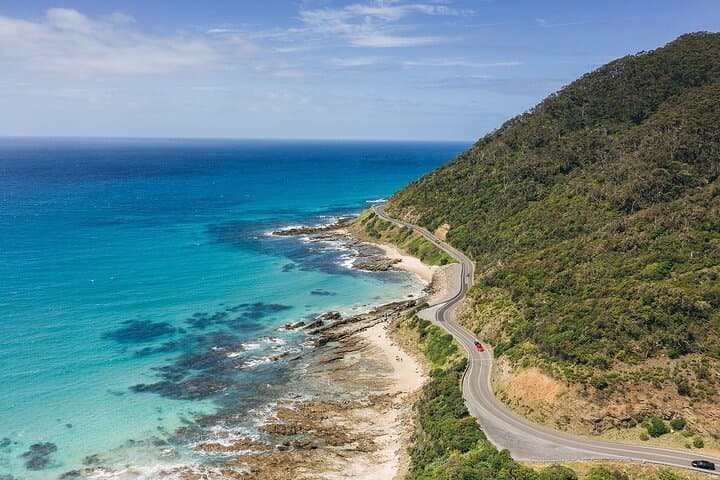
A morning light slants across Spencer Street as the coach pulls away from Southern Cross, the city shrinking into a ribbon of glass and concrete. Within an hour the road tilts, eucalyptus-scented air fills the van and the ocean appears — grey and urgent — daring you to keep watching. The drive along the Great Ocean Road is as much about transitions as sights: rainforest gullies give way to wind-sculpted cliffs, fishing villages open into wide beaches, and the stacks at the Twelve Apostles rise, patient and eroded, from the Southern Ocean.
Verified experiences and guided adventures in the surrounding area.
Operated by Melbourne Sights · Port Campbell, Victoria
A morning light slants across Spencer Street as the coach pulls away from Southern Cross, the city shrinking into a ribbon of glass and concrete. Within an hour the road tilts, eucalyptus-scented air fills the van and the ocean appears — grey and urgent — daring you to keep watching. The drive along the Great Ocean Road is as much about transitions as sights: rainforest gullies give way to wind-sculpted cliffs, fishing villages open into wide beaches, and the stacks at the Twelve Apostles rise, patient and eroded, from the Southern Ocean.
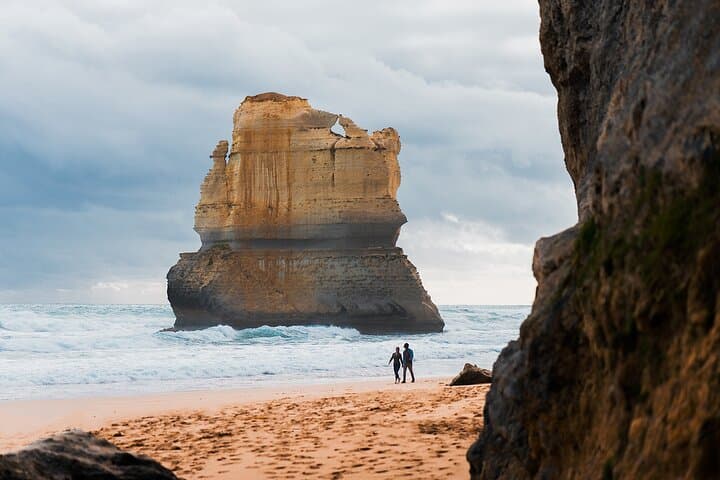
Built after World War I by returning soldiers, the road itself is a piece of living history linking coastal towns like Lorne and Apollo Bay. Geologically, the limestone and sandstone cliffs are continually reshaped by waves; stacks named Gog and Magog and the remnants called the Twelve Apostles are the result of millions of years of erosion. Local culture leans maritime — fishing, surf life-saving clubs and small cafés serving catch-of-the-day — and cockatoos and shearwaters are a regular chorus.
Practical guidance: this is a full-day, coach-based sightseeing tour (about 13 hours) with multiple short walks and lookout stops. Wear sturdy shoes for cliff-top paths and the Gibson Steps descent if you choose to go down. Bring layered clothing and a windproof shell — conditions on the coast change fast. Pack a refillable water bottle, sunscreen and a camera with a zoom for bird and sea-stack shots. Timed well, the late-afternoon light makes the limestone glow; arrive at lookouts with a little buffer for photos and a quick beach stroll where permitted.
easy.
13 hours.
Suitable for most fitness levels; expect short walks up to 30 minutes on uneven surfaces and stairs.
The tour is approximately 13 hours and departs from Bus Bay 58 at Melbourne's Southern Cross Station with multiple drop-off options in central Melbourne.
Yes — the itinerary includes a short morning stop in Lorne and about 1.5 hours in Apollo Bay for lunch and a beach stroll.
The Gibson Steps descent to the beach is optional; it involves steep stairs and can be closed during unsafe conditions — there are also elevated lookouts if you prefer to stay above.
Yes — the tour notes stroller access and infant seats are available, but some lookout paths have steps or uneven ground that may limit access.
The Great Ocean Road was built by returned World War I soldiers between 1919 and 1932 and serves as both a memorial and functional coastal route.
Coastal erosion and visitor pressure are ongoing issues; stick to marked trails, avoid cliff edges and follow local signage to protect fragile vegetation and nesting birds.
Melbourne Sights operates guided outdoor trips and adventures with an emphasis on safety, stewardship, and memorable experiences.
A morning light slants across Spencer Street as the coach pulls away from Southern Cross, the city shrinking into a ribbon of glass and concrete. Within an hour the road tilts, eucalyptus-scented air fills the van and the ocean appears — grey and urgent — daring you to keep watching. The drive along the Great Ocean Road is as much about transitions as sights: rainforest gullies give way to wind-sculpted cliffs, fishing villages open into wide beaches, and the stacks at the Twelve Apostles rise, patient and eroded, from the Southern Ocean.
A morning light slants across Spencer Street as the coach pulls away from Southern Cross, the city shrinking into a ribbon of glass and concrete. Within an hour the road tilts, eucalyptus-scented air fills the van and the ocean appears — grey and urgent — daring you to keep watching. The drive along the Great Ocean Road is as much about transitions as sights: rainforest gullies give way to wind-sculpted cliffs, fishing villages open into wide beaches, and the stacks at the Twelve Apostles rise, patient and eroded, from the Southern Ocean.
Built after World War I by returning soldiers, the road itself is a piece of living history linking coastal towns like Lorne and Apollo Bay. Geologically, the limestone and sandstone cliffs are continually reshaped by waves; stacks named Gog and Magog and the remnants called the Twelve Apostles are the result of millions of years of erosion. Local culture leans maritime — fishing, surf life-saving clubs and small cafés serving catch-of-the-day — and cockatoos and shearwaters are a regular chorus.
Practical guidance: this is a full-day, coach-based sightseeing tour (about 13 hours) with multiple short walks and lookout stops. Wear sturdy shoes for cliff-top paths and the Gibson Steps descent if you choose to go down. Bring layered clothing and a windproof shell — conditions on the coast change fast. Pack a refillable water bottle, sunscreen and a camera with a zoom for bird and sea-stack shots. Timed well, the late-afternoon light makes the limestone glow; arrive at lookouts with a little buffer for photos and a quick beach stroll where permitted.