THE ADVENTURE COLLECTIVE® · Independent discovery and booking for outdoor travel

A full-day drive from Melbourne that delivers the Great Ocean Road’s headline sights—Twelve Apostles, Loch Ard Gorge and Apollo Bay—along with coastal walks and wildlife viewing. Expect long driving legs, exposed clifftop viewpoints, and rapid weather changes.
A full-day drive from Melbourne that delivers the Great Ocean Road’s headline sights—Twelve Apostles, Loch Ard Gorge and Apollo Bay—along with coastal walks and wildlife viewing. Expect long driving legs, exposed clifftop viewpoints, and rapid weather changes.
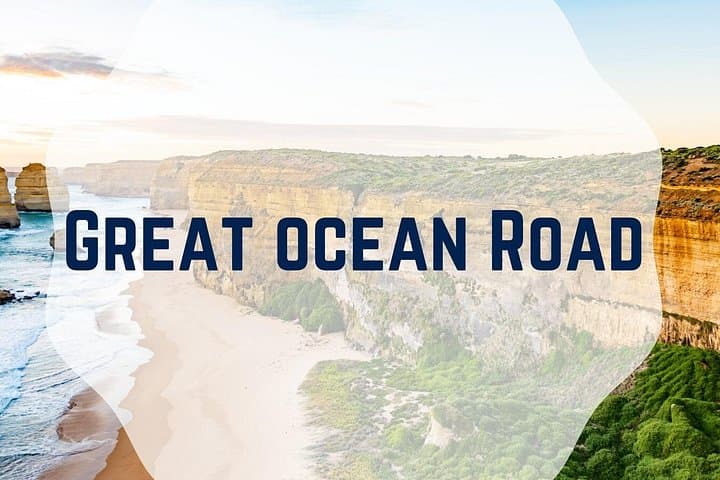
You step onto the viewing platform as wind from the Southern Ocean throws spray against the cliffs — salt and stone in the same breath. The road behind you has ribboned past coastal towns and windswept headlands; ahead, freestanding limestone stacks rise like squat columns against the horizon. This is the Great Ocean Road in a single, decisive day.
Verified experiences and guided adventures in the surrounding area.
Operated by HolidayXP · Melbourne, Victoria
You step onto the viewing platform as wind from the Southern Ocean throws spray against the cliffs — salt and stone in the same breath. The road behind you has ribboned past coastal towns and windswept headlands; ahead, freestanding limestone stacks rise like squat columns against the horizon. This is the Great Ocean Road in a single, decisive day.
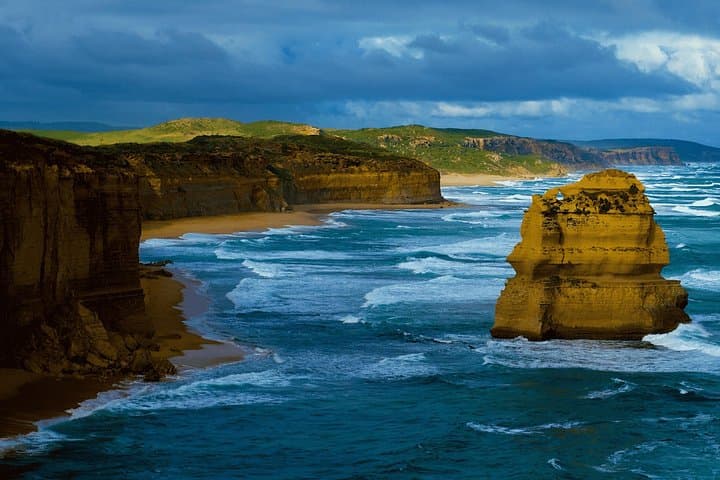
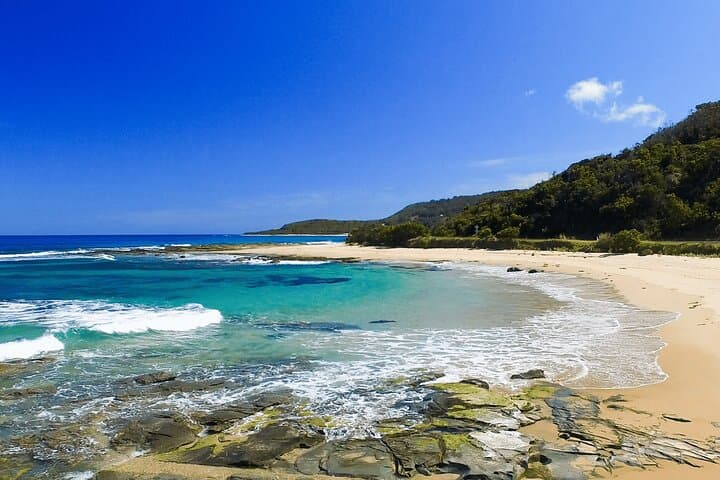
Geology here is readable: layered limestone carved by waves into caves, arches and the isolated towers known as the Twelve Apostles. The coastline shelters stories — shipwrecks like the Loch Ard, and millennia of Indigenous connection from the Gunditjmara and Eastern Maar peoples. Apollo Bay’s surf-sharp beaches and small fishing ports recall both a working coast and a place remade by tourism.
Expect a full-day rhythm: a pre-dawn pickup in Melbourne, a long coastal drive with stops at lookouts, short walks to clifftop platforms, and time in towns like Apollo Bay and Port Campbell. Trails are short but exposed; surfaces are boardwalk or packed gravel with occasional uneven rock. Wildlife sightings (seals, shearwaters, kangaroos) are more likely off-peak or at dawn and dusk. Weather can flip quickly — sunshine one hour, squalls the next — and the best light for photos is low, golden side-light across the stacks.
Practical guidance: bring layered, windproof clothing, comfortable walking shoes, water and snacks, and allow 10–12 hours for the round trip from Melbourne. If you want fewer crowds, aim for shoulder seasons and request quieter stop timings from the operator. The coast will test your wind tolerance and reward your patience with unforgettable views.
moderate.
12 hours.
Moderate fitness recommended — long periods on the coach plus several short, sometimes uneven walks to lookouts
This is a full-day tour (about 12 hours) with pickup and drop-off in Melbourne; exact pickup times are provided by the operator.
No extended hikes — most stops are short walks (5–30 minutes) from parking or viewing platforms, though some paths are uneven or exposed.
Yes, but weather is changeable: summer is warmer and busier; winter brings stronger seas and cooler temperatures—dress accordingly.
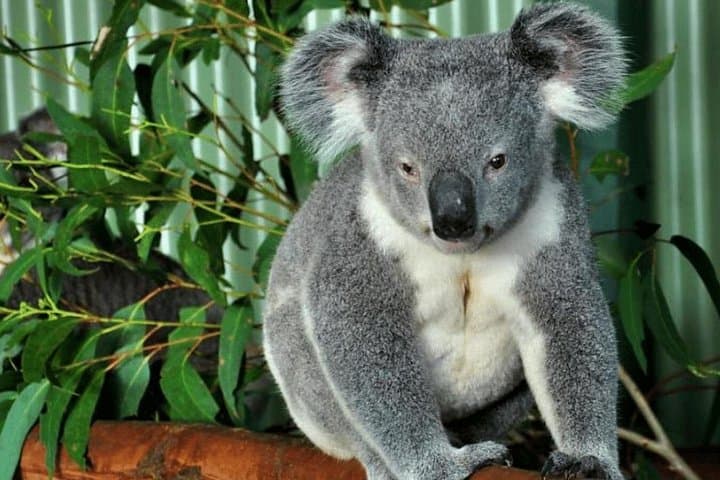
Yes — common sightings include coastal seabirds, Australian fur seals near reefs, and kangaroos in roadside paddocks, especially at dawn or dusk.
The Great Ocean Road was built by returned World War I soldiers between 1919–1932 and doubles as the world’s largest war memorial; earlier, the coastline has long been associated with Gunditjmara and Eastern Maar communities.
Erosion and rising seas continue to reshape the limestone stacks; stick to designated paths and avoid cliff edges to reduce impact and prevent further damage to fragile coastal vegetation.
HolidayXP operates guided outdoor trips and adventures with an emphasis on safety, stewardship, and memorable experiences.
You step onto the viewing platform as wind from the Southern Ocean throws spray against the cliffs — salt and stone in the same breath. The road behind you has ribboned past coastal towns and windswept headlands; ahead, freestanding limestone stacks rise like squat columns against the horizon. This is the Great Ocean Road in a single, decisive day.
You step onto the viewing platform as wind from the Southern Ocean throws spray against the cliffs — salt and stone in the same breath. The road behind you has ribboned past coastal towns and windswept headlands; ahead, freestanding limestone stacks rise like squat columns against the horizon. This is the Great Ocean Road in a single, decisive day.
Geology here is readable: layered limestone carved by waves into caves, arches and the isolated towers known as the Twelve Apostles. The coastline shelters stories — shipwrecks like the Loch Ard, and millennia of Indigenous connection from the Gunditjmara and Eastern Maar peoples. Apollo Bay’s surf-sharp beaches and small fishing ports recall both a working coast and a place remade by tourism.
Expect a full-day rhythm: a pre-dawn pickup in Melbourne, a long coastal drive with stops at lookouts, short walks to clifftop platforms, and time in towns like Apollo Bay and Port Campbell. Trails are short but exposed; surfaces are boardwalk or packed gravel with occasional uneven rock. Wildlife sightings (seals, shearwaters, kangaroos) are more likely off-peak or at dawn and dusk. Weather can flip quickly — sunshine one hour, squalls the next — and the best light for photos is low, golden side-light across the stacks.
Practical guidance: bring layered, windproof clothing, comfortable walking shoes, water and snacks, and allow 10–12 hours for the round trip from Melbourne. If you want fewer crowds, aim for shoulder seasons and request quieter stop timings from the operator. The coast will test your wind tolerance and reward your patience with unforgettable views.