THE ADVENTURE COLLECTIVE® · Independent discovery and booking for outdoor travel

A brisk two-day loop from Melbourne that stitches together the shipwreck coast’s wind-scoured cliffs and the sandstone ridges of the Grampians. Expect dramatic viewpoints, short guided walks, wildlife sightings and a practical pace that packs in the region’s highlights.
A brisk two-day loop from Melbourne that stitches together the shipwreck coast’s wind-scoured cliffs and the sandstone ridges of the Grampians. Expect dramatic viewpoints, short guided walks, wildlife sightings and a practical pace that packs in the region’s highlights.
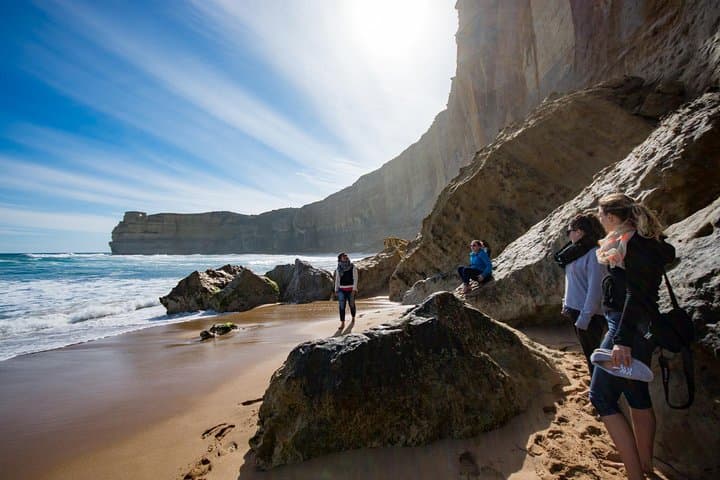
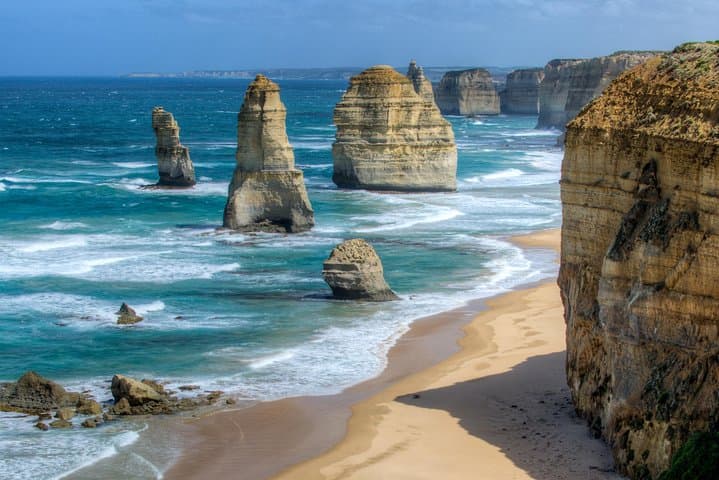
The tour begins on a brisk Melbourne morning: a compact minicoach hums to life at the Immigration Museum, passengers snug their jackets and watch the city slip behind them as the highway turns toward the ocean. Coastal cliffs arrive first — wind-chipped limestone that seems to fall away into the Southern Ocean — and the group stretches out along boardwalks that perch over spray-swept gullies. By midafternoon, the Twelve Apostles rise from the sea like weathered pillars, the camera shutters clicking in a steady, appreciative rhythm.
Verified experiences and guided adventures in the surrounding area.
Operated by Wildlife Tours Australia · Halls Gap, Victoria
The tour begins on a brisk Melbourne morning: a compact minicoach hums to life at the Immigration Museum, passengers snug their jackets and watch the city slip behind them as the highway turns toward the ocean. Coastal cliffs arrive first — wind-chipped limestone that seems to fall away into the Southern Ocean — and the group stretches out along boardwalks that perch over spray-swept gullies. By midafternoon, the Twelve Apostles rise from the sea like weathered pillars, the camera shutters clicking in a steady, appreciative rhythm.
This is a two-day collision of coast and country. The Great Ocean Road itself is a human-made monument and a scenic corridor: 240-plus kilometres of engineered roadway built as a post-World War I veterans’ memorial, today threaded with lookout points, surf towns and pockets of temperate rainforest. Geologically, the limestone cliffs here are soft and ancient—shelved layers erode into stacks, arches and deep coves such as Loch Ard Gorge, where shipwreck stories and strong currents add a dramatic human history to the coast’s slow geological work.
On day two the landscape flips. The Grampians (Gariwerd to the local Jardwadjali and Djab Wurrung peoples) are sandstone ridges, steep escarpments and carved valleys. Walks to Boroka and Reed’s Lookouts are short (roughly 500–1,000 m) with modest elevation gains (50–150 m) that reward hikers with broad views across ochre ridgelines. The hike down to MacKenzie Falls involves staired paths and rock steps; expect steeper sections and a descent of about 100–200 m to reach the pool and spray.
Culture threads through both places: Great Ocean Road commemorates returned soldiers; Gariwerd is rich with Aboriginal rock art and millennia of cultural practice. Guides introduce both the modern narratives and the older ones, encouraging respect for fragile rock art and advising on where to keep to designated trails.
Practicalities matter on this compact itinerary. Wear sturdy walking shoes with good tread for coastal boardwalks and rocky Grampians tracks; expect mixed terrain—sand, packed boardwalk, rocky steps. Bring layered clothing for coastal wind and inland chill, 2–3 litres of water per day, and sun protection. The tour covers long drives between highlights, so plan for seat-time with intermittent stretches and several 15–45 minute guided walks; fitness should be moderate.
If you want photos, aim for sunrise at a coastal lookout and late afternoon in the Grampians when sandstone warms and kangaroos graze near Halls Gap. Finally, leave no trace: cliff edges and cultural sites require staying on paths, and the ruggedness you came to see depends on collective care.
moderate.
2 days (approx. 48 hours).
Moderate fitness needed: able to handle short hikes with stair sections and get on/off the coach multiple times.
Expect around 3–4 hours of driving on day one with stops; the tour breaks the journey into scenic stops to minimize continuous seat time.
Yes—national park entrance fees for the Great Ocean Road and Grampians sections are included in the tour price.
The basic dormitory fare is for adults 18+. Children aged 6–17 require an accommodation upgrade and must be accompanied by an adult.
Walks are short to moderate (500 m to several kilometres) with some staired descents, suitable for those with moderate fitness.
Each traveler is allowed one suitcase and one carry-on; oversized items (surfboards, bikes) may be restricted—check with the operator ahead of time.
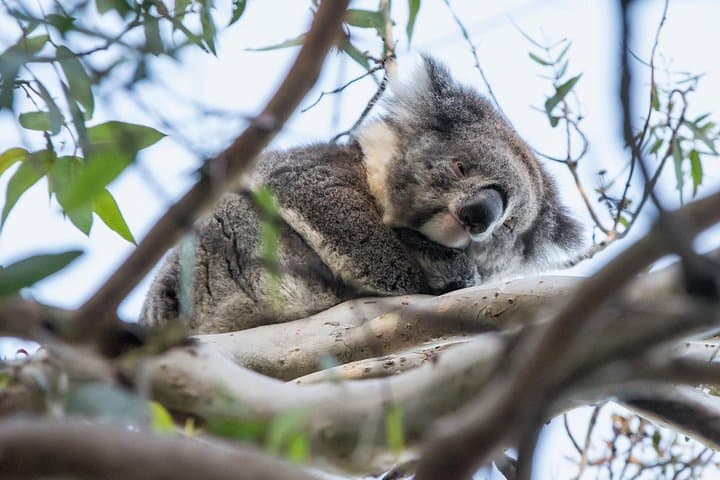
Common sightings include koalas along eucalyptus stands, kangaroos at dawn/dusk in Halls Gap, and a variety of parrots and kookaburras along the coast.
The Great Ocean Road was built as a post-WWI veterans’ project and functions as a living memorial; the Grampians (Gariwerd) are an ancient cultural landscape for Aboriginal groups, with rock art and songlines.
Stay on marked tracks to reduce erosion of fragile sandstone and coastal cliffs; avoid touching rock art and follow guide instructions to protect cultural sites.
Wildlife Tours Australia operates guided outdoor trips and adventures with an emphasis on safety, stewardship, and memorable experiences.
The tour begins on a brisk Melbourne morning: a compact minicoach hums to life at the Immigration Museum, passengers snug their jackets and watch the city slip behind them as the highway turns toward the ocean. Coastal cliffs arrive first — wind-chipped limestone that seems to fall away into the Southern Ocean — and the group stretches out along boardwalks that perch over spray-swept gullies. By midafternoon, the Twelve Apostles rise from the sea like weathered pillars, the camera shutters clicking in a steady, appreciative rhythm.
The tour begins on a brisk Melbourne morning: a compact minicoach hums to life at the Immigration Museum, passengers snug their jackets and watch the city slip behind them as the highway turns toward the ocean. Coastal cliffs arrive first — wind-chipped limestone that seems to fall away into the Southern Ocean — and the group stretches out along boardwalks that perch over spray-swept gullies. By midafternoon, the Twelve Apostles rise from the sea like weathered pillars, the camera shutters clicking in a steady, appreciative rhythm.
This is a two-day collision of coast and country. The Great Ocean Road itself is a human-made monument and a scenic corridor: 240-plus kilometres of engineered roadway built as a post-World War I veterans’ memorial, today threaded with lookout points, surf towns and pockets of temperate rainforest. Geologically, the limestone cliffs here are soft and ancient—shelved layers erode into stacks, arches and deep coves such as Loch Ard Gorge, where shipwreck stories and strong currents add a dramatic human history to the coast’s slow geological work.
On day two the landscape flips. The Grampians (Gariwerd to the local Jardwadjali and Djab Wurrung peoples) are sandstone ridges, steep escarpments and carved valleys. Walks to Boroka and Reed’s Lookouts are short (roughly 500–1,000 m) with modest elevation gains (50–150 m) that reward hikers with broad views across ochre ridgelines. The hike down to MacKenzie Falls involves staired paths and rock steps; expect steeper sections and a descent of about 100–200 m to reach the pool and spray.
Culture threads through both places: Great Ocean Road commemorates returned soldiers; Gariwerd is rich with Aboriginal rock art and millennia of cultural practice. Guides introduce both the modern narratives and the older ones, encouraging respect for fragile rock art and advising on where to keep to designated trails.
Practicalities matter on this compact itinerary. Wear sturdy walking shoes with good tread for coastal boardwalks and rocky Grampians tracks; expect mixed terrain—sand, packed boardwalk, rocky steps. Bring layered clothing for coastal wind and inland chill, 2–3 litres of water per day, and sun protection. The tour covers long drives between highlights, so plan for seat-time with intermittent stretches and several 15–45 minute guided walks; fitness should be moderate.
If you want photos, aim for sunrise at a coastal lookout and late afternoon in the Grampians when sandstone warms and kangaroos graze near Halls Gap. Finally, leave no trace: cliff edges and cultural sites require staying on paths, and the ruggedness you came to see depends on collective care.