THE ADVENTURE COLLECTIVE® · Independent discovery and booking for outdoor travel

Witnessing the Great Migration and river crossings in the Serengeti is a study in scale and timing—herds, predators and rivers converging. This private safari focuses on positioning you where the action is, with long game drives and expert guides.
Witnessing the Great Migration and river crossings in the Serengeti is a study in scale and timing—herds, predators and rivers converging. This private safari focuses on positioning you where the action is, with long game drives and expert guides.
Dust kicks up as the Land Cruiser crests a rise and the plains open: a rolling river of wildebeest and zebra stretches toward the horizon, water glittering where the herds will test the currents. The Serengeti breathes around you—grasslands that push and pull the migration each year and rivers that dare the herds to cross.
Verified experiences and guided adventures in the surrounding area.
Operated by Gundua Africa Adventure · Arusha, Arusha Region
Dust kicks up as the Land Cruiser crests a rise and the plains open: a rolling river of wildebeest and zebra stretches toward the horizon, water glittering where the herds will test the currents. The Serengeti breathes around you—grasslands that push and pull the migration each year and rivers that dare the herds to cross.
The plains sit on ancient volcanic soils shaped by tectonic uplift and erosion; kopjes—rocky outcrops worn from wind and time—punch through the grass and become lookout posts for lions and vultures. Human history here includes Maasai pastoralists whose seasonal patterns once aligned with the herds, and a modern protection story: Serengeti National Park was established in 1951 to preserve this yearly movement.
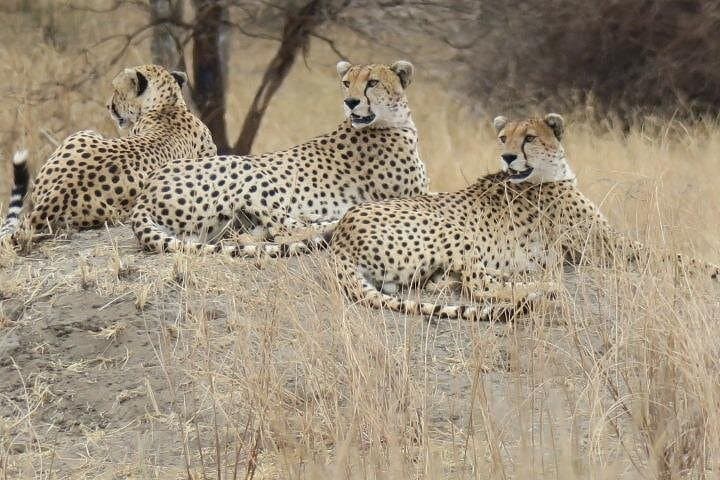
On this private, multi-day game-drive-focused itinerary the emphasis is clear: follow the migration’s flow and be positioned for river crossings, especially May–December when central and northern crossings are most active. Expect long drives between viewing spots, close predator encounters, frequent stops for photography, and guides who read game behavior like a map.
Practicalities: aim for dawn and late-afternoon outings for the best light and animal activity; bring layered clothing, sun protection, and binoculars; secure camera gear against dust. Vehicles are the main platform—be ready for bumpy tracks and patient waits by riverbanks. Respect wildlife distances and local customs; support conservation-minded camps and guides to keep this wild choreography intact.
moderate.
7–8 days.
Moderate fitness required for in-and-out vehicle transfers and occasional short walks; long days sitting in vehicle.
The highest probability is May–December with regional variation—guides position you according to recent herd movements, often targeting Grumeti and Mara rivers.
Infants must sit on an adult’s lap and the operator advises caution; long drives and close wildlife encounters may be challenging for very young children.
This itinerary lists meals (breakfast, lunch, dinner) and fees included—confirm specific lodge or camp arrangements before booking.
Travel to Tanzania often requires routine vaccinations and recommended malaria prophylaxis; check passport and visa requirements well before departure.
Serengeti National Park was established in 1951 to protect the migration and surrounding ecosystem; Maasai communities have long shaped the region’s human history.
Tourism supports anti-poaching and community programs, but pressure on water and grazing near migration corridors requires responsible operator practices; follow leave-no-trace and camp policies.
Gundua Africa Adventure operates guided outdoor trips and adventures with an emphasis on safety, stewardship, and memorable experiences.
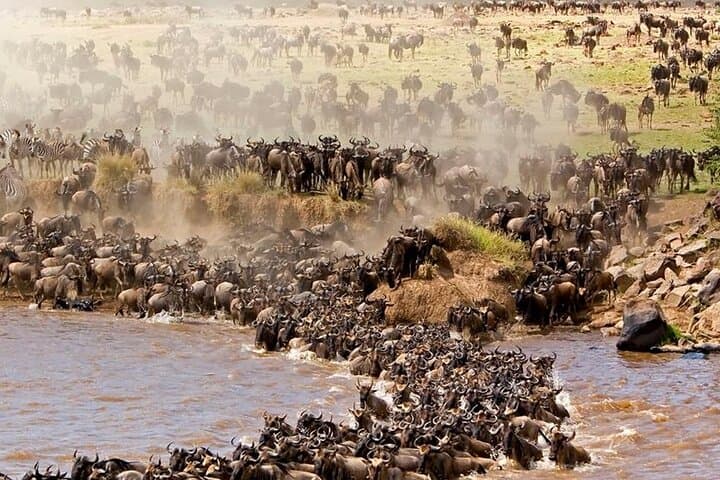
Dust kicks up as the Land Cruiser crests a rise and the plains open: a rolling river of wildebeest and zebra stretches toward the horizon, water glittering where the herds will test the currents. The Serengeti breathes around you—grasslands that push and pull the migration each year and rivers that dare the herds to cross.
Dust kicks up as the Land Cruiser crests a rise and the plains open: a rolling river of wildebeest and zebra stretches toward the horizon, water glittering where the herds will test the currents. The Serengeti breathes around you—grasslands that push and pull the migration each year and rivers that dare the herds to cross.
The plains sit on ancient volcanic soils shaped by tectonic uplift and erosion; kopjes—rocky outcrops worn from wind and time—punch through the grass and become lookout posts for lions and vultures. Human history here includes Maasai pastoralists whose seasonal patterns once aligned with the herds, and a modern protection story: Serengeti National Park was established in 1951 to preserve this yearly movement.
On this private, multi-day game-drive-focused itinerary the emphasis is clear: follow the migration’s flow and be positioned for river crossings, especially May–December when central and northern crossings are most active. Expect long drives between viewing spots, close predator encounters, frequent stops for photography, and guides who read game behavior like a map.
Practicalities: aim for dawn and late-afternoon outings for the best light and animal activity; bring layered clothing, sun protection, and binoculars; secure camera gear against dust. Vehicles are the main platform—be ready for bumpy tracks and patient waits by riverbanks. Respect wildlife distances and local customs; support conservation-minded camps and guides to keep this wild choreography intact.