THE ADVENTURE COLLECTIVE® · Independent discovery and booking for outdoor travel

Stand on the cliffs above Mather Gorge and follow a GPS-triggered audio guide that reveals hidden cascades, colonial ruins and riverside routes at Great Falls National Park. This self-guided hike takes 2–3 hours and rewards curiosity with dramatic views and local history.
Stand on the cliffs above Mather Gorge and follow a GPS-triggered audio guide that reveals hidden cascades, colonial ruins and riverside routes at Great Falls National Park. This self-guided hike takes 2–3 hours and rewards curiosity with dramatic views and local history.
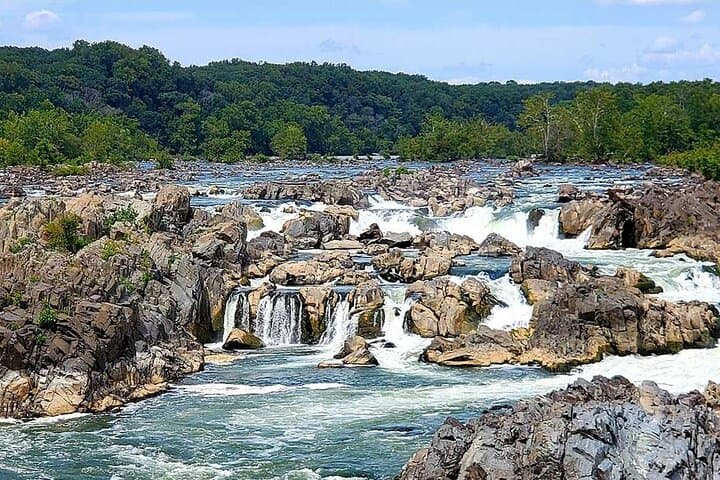
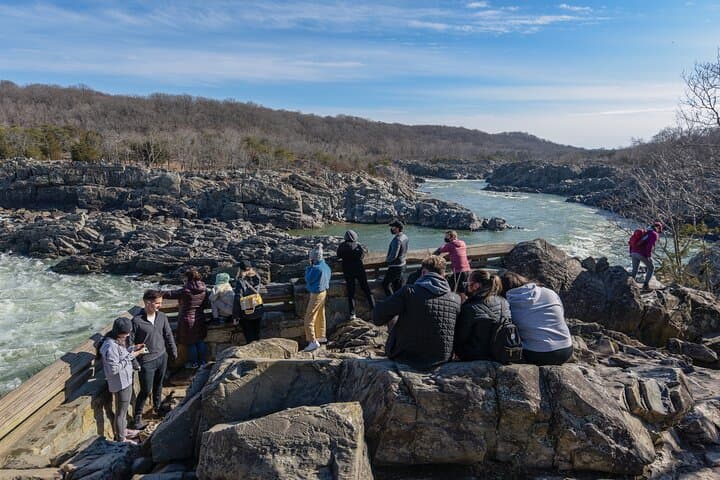
The cliff edge comes into view before the roar does: the Potomac gathers itself and then throws itself down through Mather Gorge, white water slicing between slabs of Precambrian rock. On this self-guided audio hike you stand on those cliffs, earbuds in, and let a local narrator point you toward hidden cascades, abandoned colonial foundations and off‑trail ledges that offer a closer look at the rapids.
Verified experiences and guided adventures in the surrounding area.
Operated by Doug Z · McLean, Virginia
The cliff edge comes into view before the roar does: the Potomac gathers itself and then throws itself down through Mather Gorge, white water slicing between slabs of Precambrian rock. On this self-guided audio hike you stand on those cliffs, earbuds in, and let a local narrator point you toward hidden cascades, abandoned colonial foundations and off‑trail ledges that offer a closer look at the rapids.
Great Falls National Park sits on the Virginia side of the Potomac, where glaciers never reached but where water has carved deep channels into ancient stone. The park’s history threads through its landscape — 18th‑century canal locks and a small, abandoned riverside settlement visited by George Washington sit a short walk from the main overlooks. Geologically, the falls expose hard, folded gneiss and schist that force the river into tight, turbulent chutes; culturally the area has long been a recreational escape for Washingtonians.
Expect well-marked park trails with viewpoints and short, steeper sections if you follow the wilder routes. The audio guide uses GPS triggers to describe viewpoints, safety points and historical context as you go; download it before you arrive. Bring sturdy shoes, water, phone power and basic first‑aid supplies. Start early to avoid the busiest parking windows, and respect signage — some riverside ledges can be slippery and cordoned for safety. With moderate fitness and a charged phone, this two‑to‑three hour loop turns the Potomac’s raw energy into a compact, informative outing.
moderate.
2–3 hours.
Moderate fitness—comfortable walking on uneven terrain, short steep sections and some scrambling on unmaintained paths.
The guided loop and optional side routes take about 2–3 hours depending on stops and off‑trail exploring.
No — vehicle access requires a separate Great Falls Park pass purchased from the National Park Service (fees vary).
Yes — the provided code can be entered on multiple devices so your group can access the same audio tour simultaneously.
Leashed dogs are generally permitted in Great Falls Park, but always follow posted NPS rules and leash requirements while on trails and overlooks.
The park preserves sections of the Chesapeake and Ohio Canal era and an early riverside settlement; George Washington surveyed and traveled the Potomac in this corridor during the 18th century.
High foot traffic and off‑trail scrambling can damage fragile soils and riverine vegetation — stay on signed trails where indicated and pack out all trash to protect the gorge.
Doug Z operates guided outdoor trips and adventures with an emphasis on safety, stewardship, and memorable experiences.

The cliff edge comes into view before the roar does: the Potomac gathers itself and then throws itself down through Mather Gorge, white water slicing between slabs of Precambrian rock. On this self-guided audio hike you stand on those cliffs, earbuds in, and let a local narrator point you toward hidden cascades, abandoned colonial foundations and off‑trail ledges that offer a closer look at the rapids.
The cliff edge comes into view before the roar does: the Potomac gathers itself and then throws itself down through Mather Gorge, white water slicing between slabs of Precambrian rock. On this self-guided audio hike you stand on those cliffs, earbuds in, and let a local narrator point you toward hidden cascades, abandoned colonial foundations and off‑trail ledges that offer a closer look at the rapids.
Great Falls National Park sits on the Virginia side of the Potomac, where glaciers never reached but where water has carved deep channels into ancient stone. The park’s history threads through its landscape — 18th‑century canal locks and a small, abandoned riverside settlement visited by George Washington sit a short walk from the main overlooks. Geologically, the falls expose hard, folded gneiss and schist that force the river into tight, turbulent chutes; culturally the area has long been a recreational escape for Washingtonians.
Expect well-marked park trails with viewpoints and short, steeper sections if you follow the wilder routes. The audio guide uses GPS triggers to describe viewpoints, safety points and historical context as you go; download it before you arrive. Bring sturdy shoes, water, phone power and basic first‑aid supplies. Start early to avoid the busiest parking windows, and respect signage — some riverside ledges can be slippery and cordoned for safety. With moderate fitness and a charged phone, this two‑to‑three hour loop turns the Potomac’s raw energy into a compact, informative outing.