THE ADVENTURE COLLECTIVE® · Independent discovery and booking for outdoor travel

Drive the Algarve’s birding hotspots from a base in Monte Gordo on this self-guided, 8-day tour focused on Great Bustard and wetland specialists. Expect marshes, saltpans, open plains and flexible daily drives tailored to tides and migration windows.
Drive the Algarve’s birding hotspots from a base in Monte Gordo on this self-guided, 8-day tour focused on Great Bustard and wetland specialists. Expect marshes, saltpans, open plains and flexible daily drives tailored to tides and migration windows.
The Atlantic breeze pushes across Monte Gordo’s wide beach as you load maps and scopes into a compact rental car—this is a birding trip that trades guided pace for personal rhythm.
Verified experiences and guided adventures in the surrounding area.
Operated by BeCool Travel · Monte Gordo, Faro
The Atlantic breeze pushes across Monte Gordo’s wide beach as you load maps and scopes into a compact rental car—this is a birding trip that trades guided pace for personal rhythm.
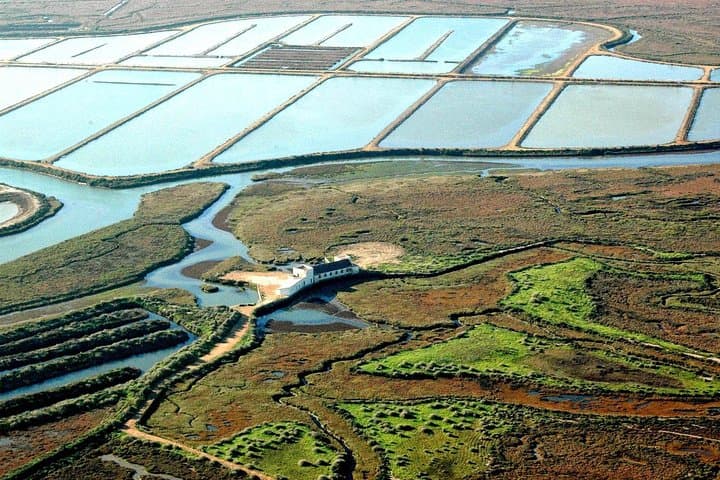
From the tidal tongues of the Guadiana estuary to the open cereal plains of Castro Verde, the route threads coastal marshes, saltpans and low Alentejo steppe. The landscape records centuries of salt-making and mixed agriculture; dunes give way to pine belts, and shallow lagoons attract flocks that shift with tides and seasons. Geologically the Algarve is a limestone-and-sediment coastline scarred by estuarine channels; inland, clay soils and cereal fields create the flat, open habitat the Great Bustard favors.
Local culture is plainspoken: fishing villages, seasonal salt harvests and small cafés where birders compare sightings over coffee and pastéis. Conservation areas—Castro Marim, Ria Formosa and the Isla Cristina marshes—operate with simple rules: stay on tracks, keep distance from nests, and respect seasonal closures.
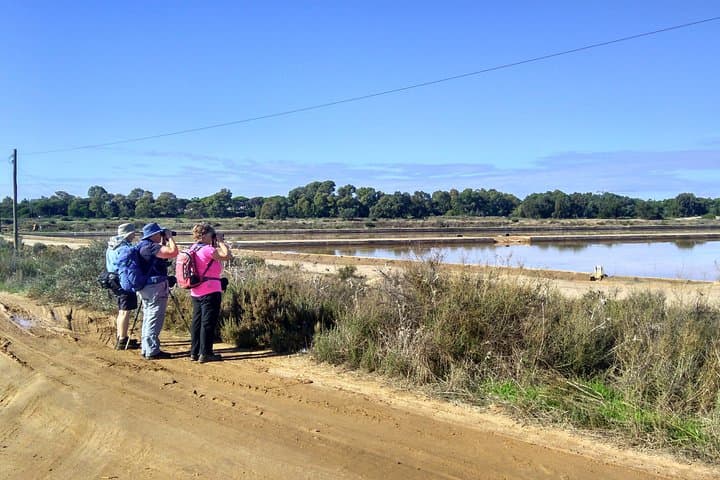
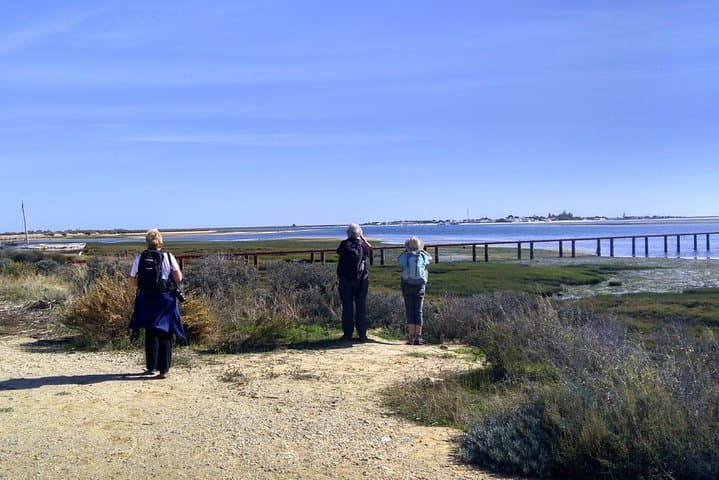
Practical planning is straightforward. Expect daily drives of 30–120 km between hides and reserves, short walks along levees and boardwalks, and the occasional unpaved lane that demands cautious driving. Binoculars and a spotting scope repay any weight in the car; mornings and late afternoon are biodiversity hotspots. Dress in muted colors, carry water and a thermos, and allow extra time for tide-dependent sites—the Ria Formosa and saltpans reveal their richest birdlife on rising or high tides.
This self-guided format suits travelers who want flexibility: follow local birders’ maps provided by the tour operator, pick a sunrise stakeout, and let the landscape reveal its heavy hitters—bustards on the plains, flamingos in the lagoons, and raptors circling the thermals.
easy.
7–8 days.
Light walking ability; able to do repeated short walks (0.5–3 km) and boardwalks; comfortable sitting/standing for scopes.
Yes — a class A rental car with ABS and four seats is included for the duration; fuel and tolls are typically extra.
Spring is best for displaying males and wildflowers, while late autumn to winter may concentrate birds on feeding grounds—both seasons offer good chances depending on behavior.
No—the tour suits beginners and experienced birders; maps and walk descriptions are provided, but basic bird ID skills enhance the experience.
Most protected areas restrict dogs to prevent disturbance; check local reserve rules and keep pets off sensitive tracks.
Salt extraction and small-scale fishing shaped the coastal economy for centuries; many saltpans are now managed for conservation and bird habitat.
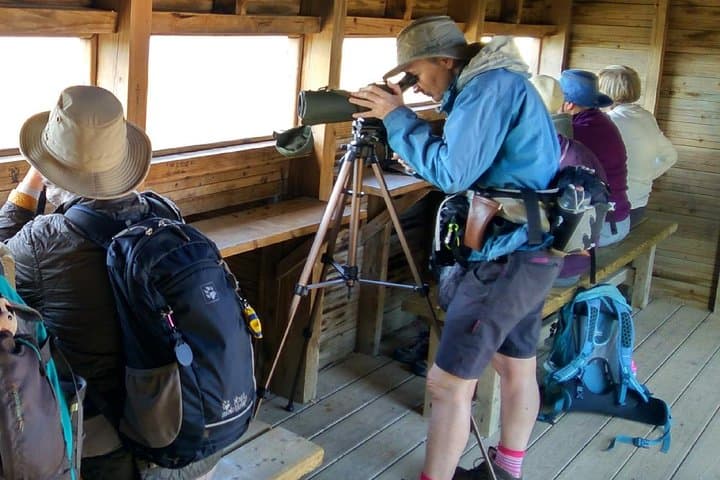
Protected reserves enforce seasonal restrictions and path-use to minimize disturbance—follow signage, avoid off-track driving and use bird hides where provided.
BeCool Travel operates guided outdoor trips and adventures with an emphasis on safety, stewardship, and memorable experiences.
The Atlantic breeze pushes across Monte Gordo’s wide beach as you load maps and scopes into a compact rental car—this is a birding trip that trades guided pace for personal rhythm.
The Atlantic breeze pushes across Monte Gordo’s wide beach as you load maps and scopes into a compact rental car—this is a birding trip that trades guided pace for personal rhythm.
From the tidal tongues of the Guadiana estuary to the open cereal plains of Castro Verde, the route threads coastal marshes, saltpans and low Alentejo steppe. The landscape records centuries of salt-making and mixed agriculture; dunes give way to pine belts, and shallow lagoons attract flocks that shift with tides and seasons. Geologically the Algarve is a limestone-and-sediment coastline scarred by estuarine channels; inland, clay soils and cereal fields create the flat, open habitat the Great Bustard favors.
Local culture is plainspoken: fishing villages, seasonal salt harvests and small cafés where birders compare sightings over coffee and pastéis. Conservation areas—Castro Marim, Ria Formosa and the Isla Cristina marshes—operate with simple rules: stay on tracks, keep distance from nests, and respect seasonal closures.
Practical planning is straightforward. Expect daily drives of 30–120 km between hides and reserves, short walks along levees and boardwalks, and the occasional unpaved lane that demands cautious driving. Binoculars and a spotting scope repay any weight in the car; mornings and late afternoon are biodiversity hotspots. Dress in muted colors, carry water and a thermos, and allow extra time for tide-dependent sites—the Ria Formosa and saltpans reveal their richest birdlife on rising or high tides.
This self-guided format suits travelers who want flexibility: follow local birders’ maps provided by the tour operator, pick a sunrise stakeout, and let the landscape reveal its heavy hitters—bustards on the plains, flamingos in the lagoons, and raptors circling the thermals.