THE ADVENTURE COLLECTIVE® · Independent discovery and booking for outdoor travel

Explore Brixton’s markets, murals, and musical roots on a two-hour private walking tour that traces the neighbourhood’s immigrant history and cultural revival. Expect street food, vinyl shops, and stories that connect Windrush Square to today’s creative pulse.
Explore Brixton’s markets, murals, and musical roots on a two-hour private walking tour that traces the neighbourhood’s immigrant history and cultural revival. Expect street food, vinyl shops, and stories that connect Windrush Square to today’s creative pulse.
You step off the Victoria line into a street that announces itself with music and spice—scented steam rising from market stalls, murals staring down from brick, and the low hum of conversations in half a dozen languages.
Verified experiences and guided adventures in the surrounding area.
Operated by The Great Weekender Experiences · London, England
You step off the Victoria line into a street that announces itself with music and spice—scented steam rising from market stalls, murals staring down from brick, and the low hum of conversations in half a dozen languages.
Brixton is a living urban story: a Victorian suburb remade by waves of immigration and industry, then reshaped again after postwar migration from the Caribbean. The neighbourhood’s geology is London clay—sturdy, level ground that encouraged terraces and arcades—now overlaid with bright-painted facades and bold street art that mark decades of cultural change.
On a two-hour private walk you’ll pass Electric Avenue and the Department Store, drop into covered arcades where West Indian spice shops and vinyl record stores keep musical and culinary traditions audible and aromatic, and hear how the Windrush generation, 1980s unrest, and local activism forged present-day community identity.
Guides point out landmarks like Windrush Square and the Black Cultural Archive, but they also trace subtler threads: where a mural replaced a boarded shop, or how a market stall became a mini-institution.
Practical details matter: this is an urban walking tour on mostly paved surfaces with short standing stops. Wear broken-in shoes, bring a contactless card or Oyster for travel and market purchases, and schedule the tour mid-morning or early evening to catch market bustle without peak crowds.
Bring a reusable bottle, leave space for tasting and small purchases, and be ready to let the streets of Brixton do what they do best—talk, argue, feed, and celebrate.
easy.
2 hours.
Suitable for most fitness levels; requires standing and walking on paved surfaces for short periods
Meeting point is typically a central Brixton Tube station exit; the exact location is confirmed at booking.
Yes—this tour is listed as wheelchair and stroller accessible with mostly paved routes and arcade access.
Guides will point out recommended food stalls and eateries, but purchases are pay-as-you-go unless otherwise specified.
Full refund if you cancel at least 24 hours before the scheduled departure; within 24 hours refunds are not provided.
Brixton transformed from a Victorian suburb into a major Afro‑Caribbean centre after the 1950s; the area’s markets and the Black Cultural Archive document migration and community activism, including events of the 1980s that shaped local identity.
Support local traders, use public transport, and avoid touching or defacing street art; small purchases and respectful behavior help sustain independent businesses under development pressure.
The Great Weekender Experiences operates guided outdoor trips and adventures with an emphasis on safety, stewardship, and memorable experiences.
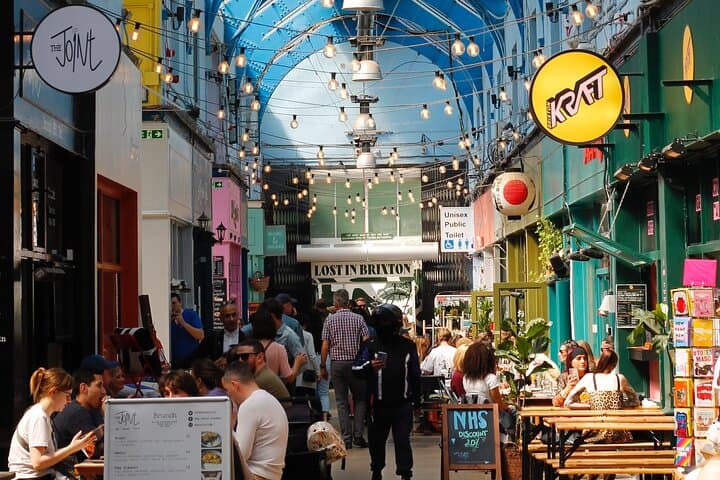
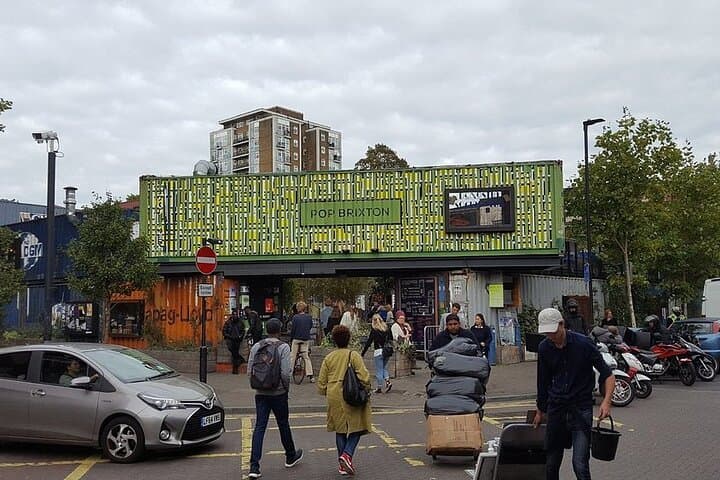
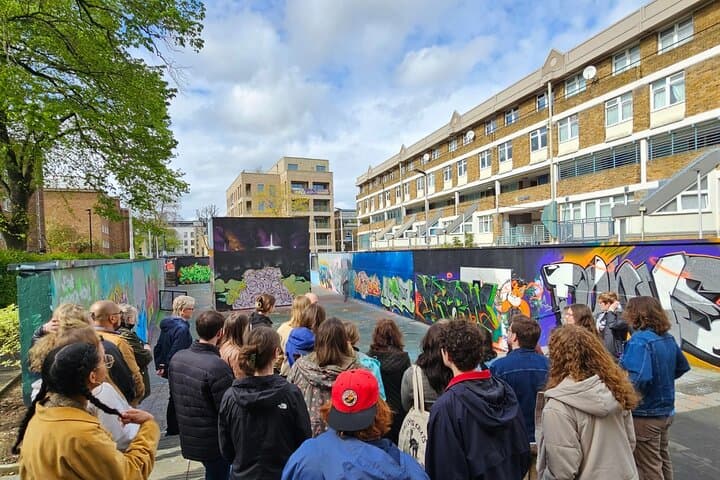
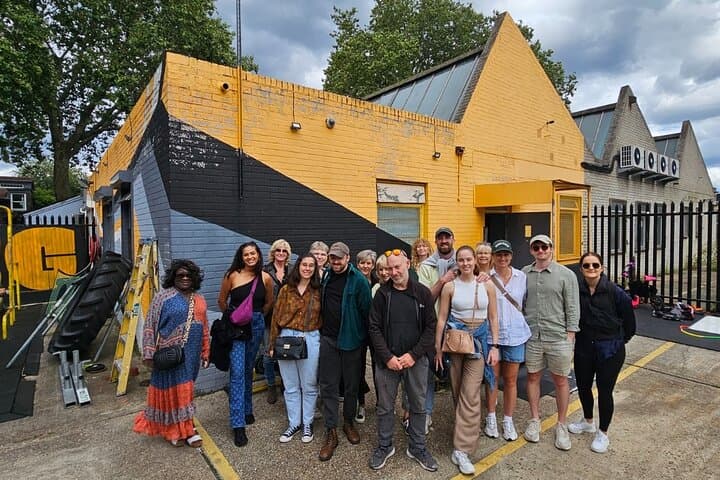
You step off the Victoria line into a street that announces itself with music and spice—scented steam rising from market stalls, murals staring down from brick, and the low hum of conversations in half a dozen languages.
You step off the Victoria line into a street that announces itself with music and spice—scented steam rising from market stalls, murals staring down from brick, and the low hum of conversations in half a dozen languages.
Brixton is a living urban story: a Victorian suburb remade by waves of immigration and industry, then reshaped again after postwar migration from the Caribbean. The neighbourhood’s geology is London clay—sturdy, level ground that encouraged terraces and arcades—now overlaid with bright-painted facades and bold street art that mark decades of cultural change.
On a two-hour private walk you’ll pass Electric Avenue and the Department Store, drop into covered arcades where West Indian spice shops and vinyl record stores keep musical and culinary traditions audible and aromatic, and hear how the Windrush generation, 1980s unrest, and local activism forged present-day community identity.
Guides point out landmarks like Windrush Square and the Black Cultural Archive, but they also trace subtler threads: where a mural replaced a boarded shop, or how a market stall became a mini-institution.
Practical details matter: this is an urban walking tour on mostly paved surfaces with short standing stops. Wear broken-in shoes, bring a contactless card or Oyster for travel and market purchases, and schedule the tour mid-morning or early evening to catch market bustle without peak crowds.
Bring a reusable bottle, leave space for tasting and small purchases, and be ready to let the streets of Brixton do what they do best—talk, argue, feed, and celebrate.